
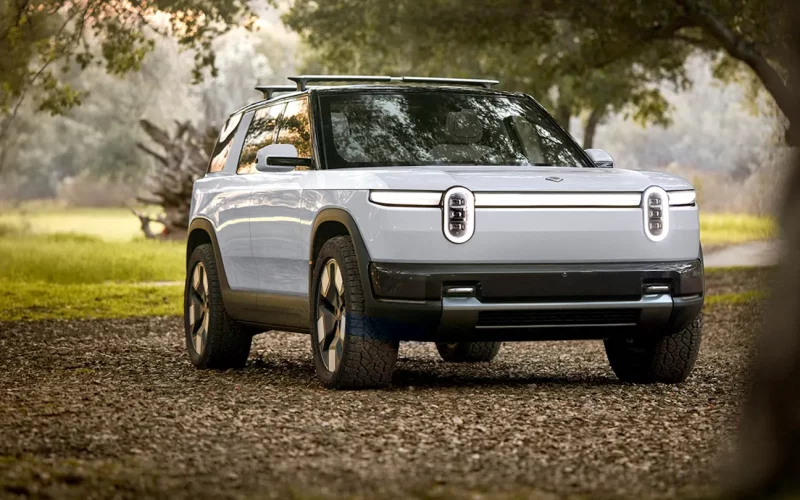
On March 19, 2026, Uber Technologies, a ride-hailing giant, and Rivian Automotive, an electric vehicle maker, announced a landmark partnership. They will develop a fully autonomous robotaxi.
Uber will invest up to $1.25 billion in Rivian. The goal is to launch thousands of fully electric robotaxis across major U.S. cities over the coming years. This partnership marks one of the largest commitments to scaled, electric self-driving ride-hailing. It signals a future where human drivers may no longer be needed in urban transportation.
A Milestone-Based Investment for Robotaxi Mobility
The investment is phased. An initial $300 million will be paid once the deal closes, pending regulatory approval. Remaining funds will be released as the companies hit development and deployment milestones.
This approach ensures steady progress, meets safety standards, and manages risks. It also shows confidence in Rivian’s ability to produce robotaxis at scale.
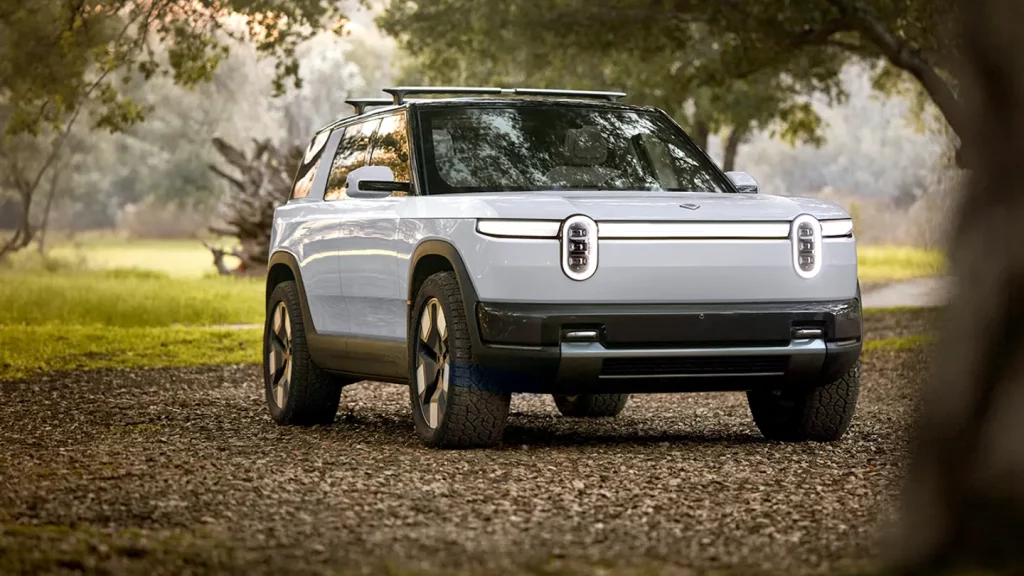
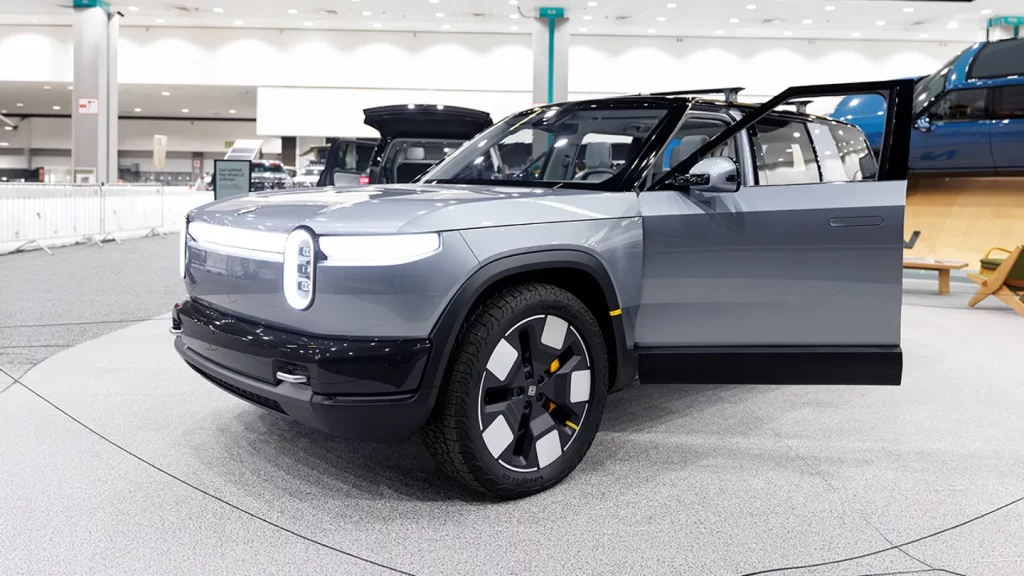
Rivian’s R2 electric SUV is built from the ground up for Level 4 autonomous driving. This means the vehicle can operate on its own in defined urban areas without human input.
Uber and its partners will first acquire 10,000 R2 robotaxis. There is an option to add 40,000 more starting in 2030. If fully deployed, the fleet will reach 50,000 autonomous robotaxis, all operating exclusively on Uber’s network.
Robotaxi Launch & Expansion Timeline
The first deployments are set for 2028 in San Francisco and Miami, two leading cities for autonomous vehicle testing.
Pilot programs will allow the companies to:
- Collect real-world performance data
- Refine navigation and software
- Improve the passenger experience
By 2031, the network aims to reach 25 cities across the U.S., Canada, and Europe. Millions of daily users will have access to zero-emission, fully autonomous robotaxis.
Strategic Value for Uber and Rivian
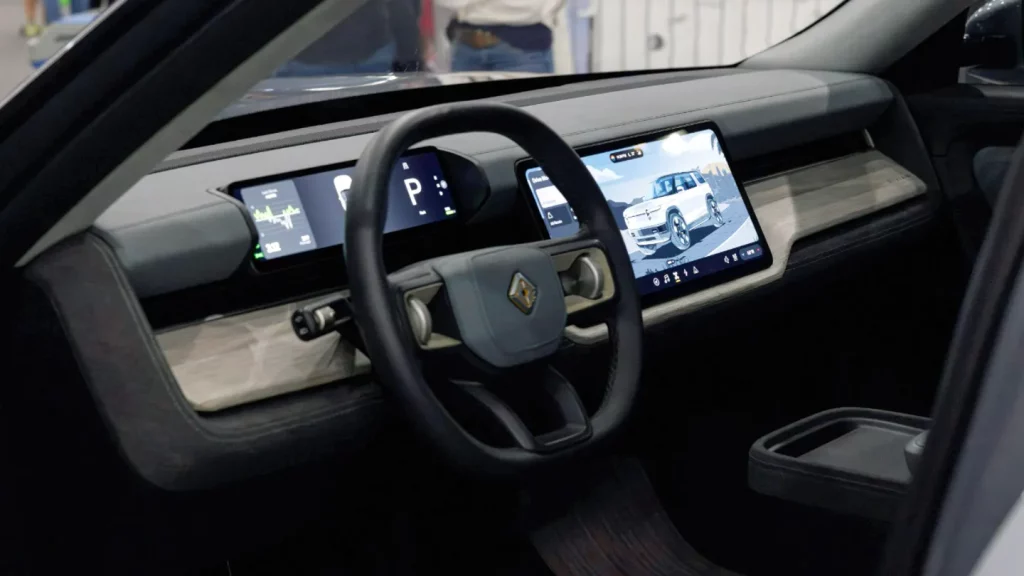
For Uber, the deal accelerates its shift to electric and autonomous ride-hailing. Robotaxis can lower operating costs, as labor is a major expense.
For Rivian, Uber is a high-volume client. This guarantees mass production for urban autonomous mobility. Partnering with Uber allows Rivian to scale robotaxis efficiently.
Together, the companies gain a strong position in the growing robotaxi market. Investors and cities alike see this as a milestone in autonomous mobility.
Executive Perspectives on Robotaxis
Uber CEO Dara Khosrowshahi said:
“By combining Uber’s global platform with Rivian’s electric and autonomous technology, we are reimagining urban transportation. This $1.25 billion commitment shows our confidence in Rivian and our shared goal to bring self-driving electric robotaxis to major cities everywhere.”
Rivian CEO R.J. Scaringe added:
“This partnership transforms our autonomous and commercial mobility business. The R2 platform was built for autonomous driving from day one. Pairing it with Uber’s network creates a scalable, sustainable solution for cities worldwide.”
These statements show a clear vision: electric, autonomous, and app-based mobility integrated into urban life.
Market Impact and Regulatory Outlook
The alliance comes at a pivotal moment. Governments and cities increasingly support electric and autonomous transit. Incentives, streamlined testing, and evolving regulations encourage adoption.
Analysts note that Uber and Rivian have a competitive advantage. Rivian provides purpose-built autonomous vehicles. Uber provides millions of users. Together, this network supports efficient robotaxi deployment.
Deployment depends on federal and state rules, safety certifications, and ongoing testing. Both companies will cooperate with local authorities to ensure compliance before the 2028 launch.
Sustainability and the Future of Robotaxis
Beyond cost savings, robotaxis advance sustainability goals. Fully electric vehicles reduce greenhouse gas emissions. Autonomous operation optimizes routes, reducing congestion and energy use.
Cities may see a shift in mobility:
- Public transit may integrate robotaxis for first- and last-mile connections
- Streets could have fewer private cars
- Residents will enjoy safer, cleaner, faster travel
App-based booking and seamless payments make robotaxis convenient and accessible.
A Glimpse into the Future
Uber and Rivian’s partnership signals a major change. Electric, autonomous, app-based vehicles are becoming everyday reality.
By 2031, millions could rely on robotaxis daily. Urban travel will be safer, cleaner, and more efficient.
Through this landmark deal, Uber and Rivian aim to lead the future of urban mobility. The era of human drivers may be ending — and the robotaxi era is beginning.
You may also read:China Sends Urgent Aid to Four Countries in the Middle East