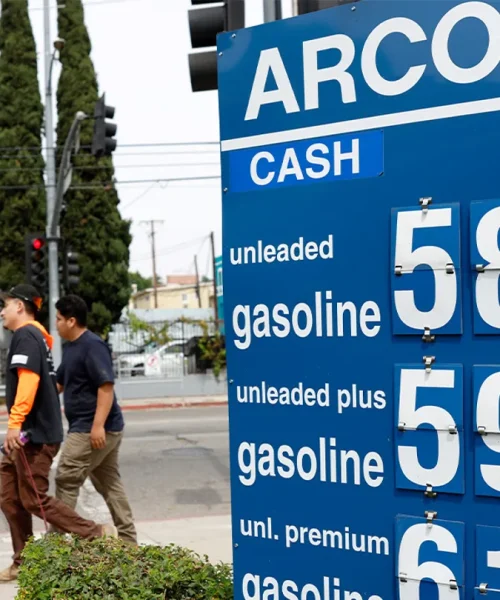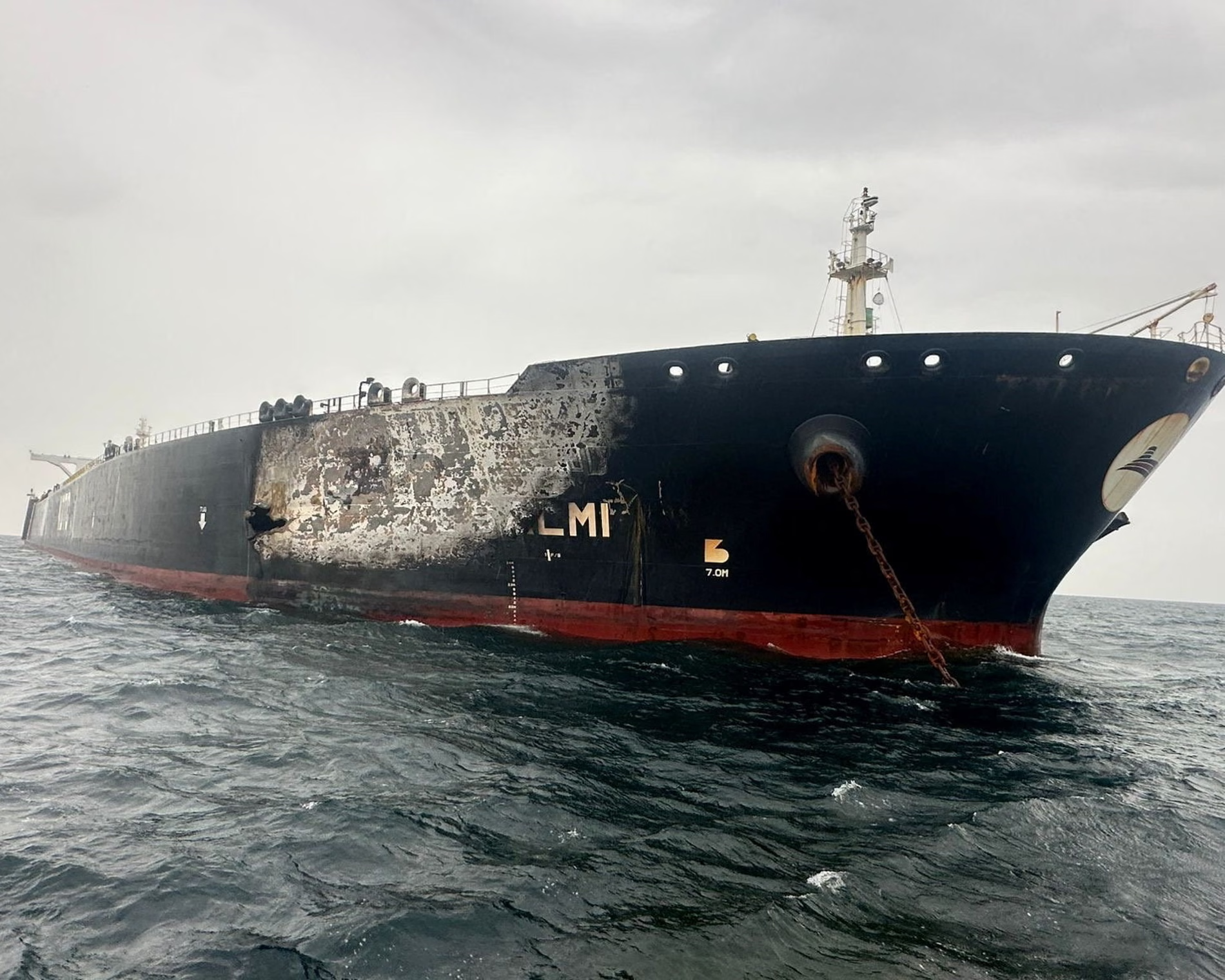

While the world watches oil prices spike and diplomats scramble to contain the Middle East conflict, a slower-moving but potentially more devastating crisis is brewing beneath the surface. It has nothing to do with fuel for cars—and everything to do with fuel for crops.
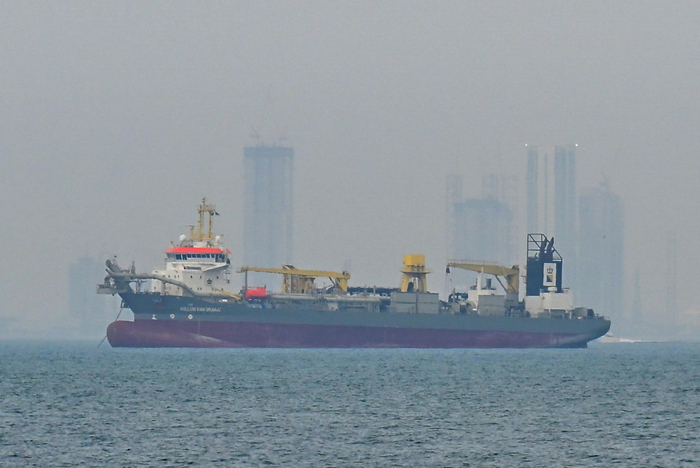
The de facto blockade of the Strait of Hormuz—a vital shipping route for approximately one-third of the global fertilizer supply—is delivering an unprecedented shock to global agriculture. With supply chains disrupted and prices soaring, multiple nations are racing to secure alternative sources to ensure food security. The result? The world’s most vulnerable populations may soon face a hunger crisis of historic proportions.
The Rupture of the Global Fertilizer Artery
Here lies a paradox that few ordinary consumers understand: You cannot grow food without fertilizer, and you cannot secure fertilizer without stable shipping lanes.
The Middle East is a global powerhouse for urea and ammonia production—key ingredients for the nitrogen-based fertilizers that modern agriculture depends on. When tankers stopped moving through the Strait of Hormuz, the impact rippled instantly through global commodity markets. European farmers, already struggling under high energy costs, watched helplessly as fertilizer prices skyrocketed. In Brazil, an agricultural giant heavily reliant on fertilizer imports, planting decisions for the upcoming season are now shrouded in uncertainty.
The International Grains Council has already revised its production forecasts downward. But the real alarm is sounding on a different front.
45 Million More People Pushed into Hunger
The United Nations World Food Programme (WFP) issued a stark warning this week: if the Middle East conflict continues to disrupt the global economy, 2026 could become the year with the highest number of people facing acute hunger ever recorded.
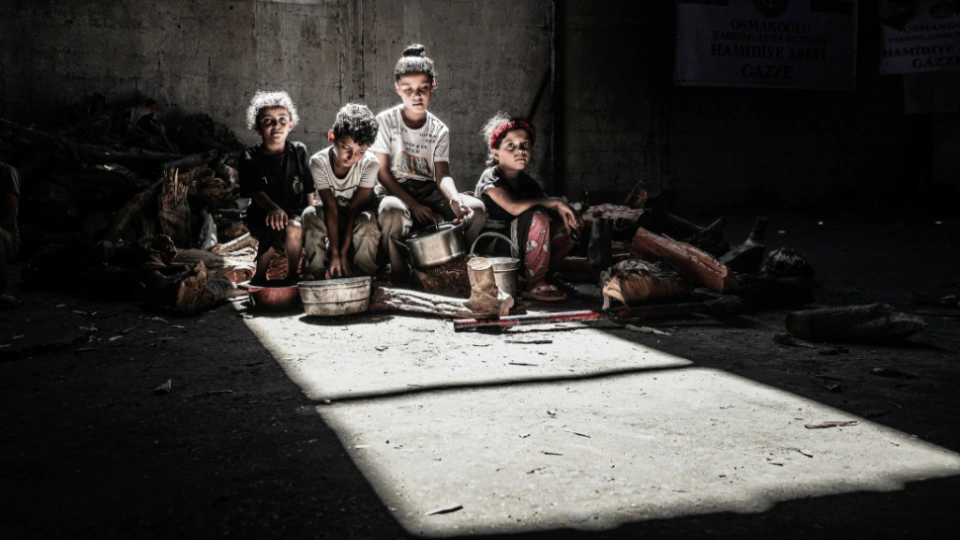
Carl Skau, WFP’s Deputy Executive Director, warned in Geneva that surging global food and fuel costs could push an additional 45 million people into severe hunger if the crisis persists until June. For families already living on the edge, this is not an abstract statistic. It means empty plates. It means pulling children out of school. It means making impossible choices between food and medicine.
The cruel irony is that those least connected to the conflict—smallholder farmers in sub-Saharan Africa, fishing communities in Southeast Asia, families in conflict zones already dependent on aid—will bear the heaviest burden.
Aid Funds Stretched Thin
Compounding the supply disruptions is a brutal fiscal reality. The WFP is facing severe funding shortages, forcing it to dramatically scale back priority assistance programs globally. This means that just as the need for food aid surges, the capacity to deliver it is shrinking.
For countries already teetering on the edge of famine—Yemen, Afghanistan, parts of the Sahel region—the combination of these factors could be catastrophic. The WFP warns that if food insecurity worsens without a corresponding increase in aid resources, the most vulnerable nations will face “catastrophic consequences.”
No One Is a Bystander to This Crisis
The immediate trigger for this crisis is military, but the solution must be humanitarian. When UN Secretary-General António Guterres warned this week that the war risks causing “dramatic” consequences with “tragic potential, especially for the least developed countries,” he was not speaking in abstractions. He was describing a world where bread becomes a luxury and stability becomes a memory.
There are no easy fixes. Reopening the Strait of Hormuz requires political will that currently seems absent. Rebuilding fertilizer supply chains takes time that the hungry do not have. Replenishing aid budgets requires political consensus in donor countries grappling with their own inflationary pressures.
But one thing is clear: the shockwave from this conflict has already traveled far beyond the Middle East. It is arriving in the form of higher bread prices in Cairo, empty shelves in Port-au-Prince, and desperate families in the Horn of Africa. The world ignored the warning signs. Now it must live with the consequences.