

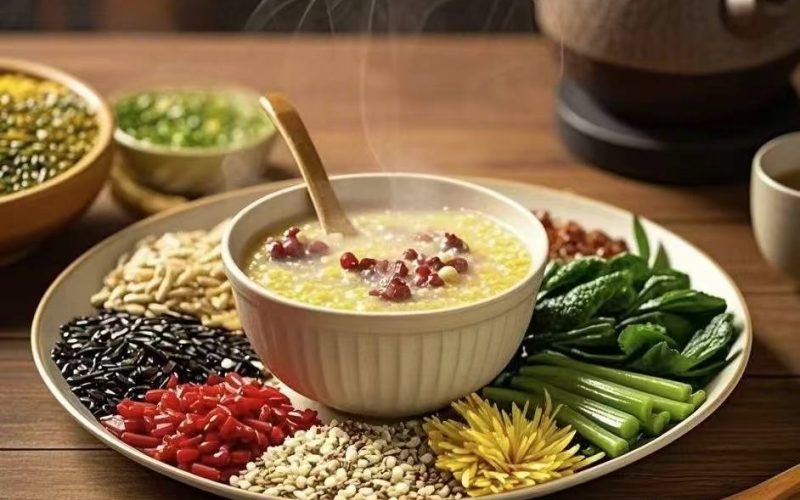
True TCM wellness does not rely on expensive supplements, complicated treatments, or rare herbs. It comes from simple, consistent daily habits that support your body and mind naturally.
The essence of TCM is balance—between activity and rest, diet and lifestyle, and body and mind. By harmonizing with nature’s rhythm, you can gently improve your health, prevent illness, and promote long-term vitality and well-being.
Diet is the Foundation of TCM Wellness
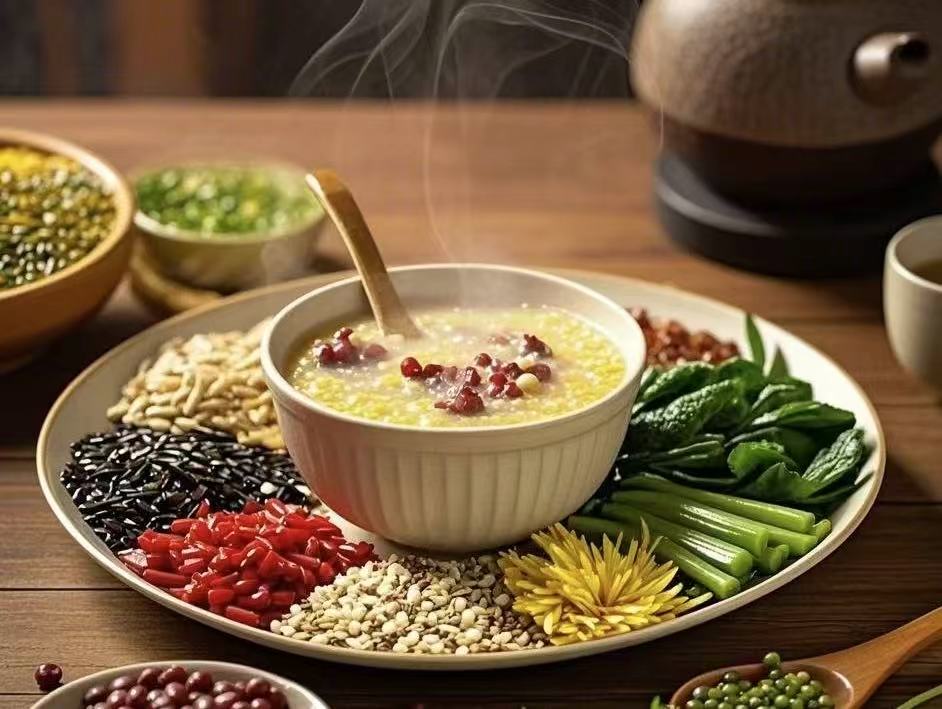
In Traditional Chinese Medicine, food and medicine share the same origin. What you eat every day directly influences your energy, immunity, digestion, and overall health. A healthy diet does not require exotic or expensive ingredients.
Instead, TCM emphasizes regular meals, mild flavors, and avoiding foods that are overly cold, spicy, greasy, or processed. This simplicity ensures that wellness is accessible to everyone.
Breakfast: Fuel for the Day
A nutritious breakfast provides essential energy for the morning.
Traditional TCM breakfast options include millet porridge, steamed eggs, or congee with yam, pumpkin, or other root vegetables. These foods are gentle on the stomach and release energy slowly throughout the morning.
Avoid cold drinks, raw vegetables, or overly sweet foods, as they may disrupt digestion, weaken the spleen, and reduce your body’s energy.
Starting your day with warm, nourishing foods supports digestion, strengthens qi, and prepares your body for the activities ahead. Even a small addition, like a few red dates or a piece of pumpkin, can enhance nutrient intake without overloading your stomach.
Lunch: The Main Meal
Lunch is the most important meal of the day.
It should provide lasting energy for your afternoon activities. A balanced combination of grains, seasonal vegetables, and protein is ideal. Examples include rice or millet with steamed greens, tofu, lean chicken, fish, or eggs. These meals strengthen qi and blood, support organ function, and maintain steady energy levels.
Mindful eating is also important. Chew thoroughly, eat slowly, and focus on flavors and textures. This helps digestion, improves nutrient absorption, and prevents overeating. Pair your meal with warm tea, such as chrysanthemum or green tea, which can help digestion and gently refresh the body.
Dinner: Light and Digestible
Dinner should be light and easy to digest. Steamed vegetables, light soups, or simple congee are ideal. Avoid overeating at night, as it can disturb sleep, slow digestion, and reduce long-term wellness. For busy schedules, a small, warm meal like vegetable soup with grains is enough to nourish the body without overloading it.
Eating lightly in the evening allows your body to rest, repair, and replenish energy overnight. Warm soups or porridge also support circulation and help maintain a stable body temperature during cooler nights.
Foods That Nourish the Body and Mind
Certain foods are particularly beneficial according to TCM principles:
- Millet, yam, pumpkin – Support digestion, strengthen the stomach, and provide steady energy.
- Red dates, longan, chicken – Reduce fatigue, boost immunity, and nourish the blood.
- Lily bulbs, lotus seeds, white fungus – Calm the mind, improve sleep, and support lung health.
- Seasonal fruits and vegetables – Eating in harmony with the seasons enhances TCM wellness.
Eating with the seasons is a fundamental principle of TCM.
In spring, fresh and light foods help awaken the liver and support energy circulation. Summer favors cooling foods such as watermelon, cucumber, and mung beans. Autumn emphasizes moistening foods like pears and honey to support the lungs. Winter focuses on warming foods such as ginger, garlic, lamb, or root vegetables.
Follow Nature’s Rhythm for Healthy Sleep

Sleep is central to TCM wellness. Staying up late depletes qi and blood, which can harm organs and reduce overall vitality. For optimal health:
- Sleep before 11 PM for deep, restorative rest.
- Aim for 7–8 hours of sleep nightly.
- Take a short 15–20 minute nap at noon to refresh energy.
- Early to bed and early to rise boosts energy, mental clarity, and skin health.
Good sleep allows the body to repair itself, strengthen immunity, and maintain hormonal balance. Avoid late-night screen use, heavy meals, and caffeine. Creating a calm, dark, and warm sleeping environment enhances restorative rest.
Gentle Movement Keeps Qi and Blood Flowing
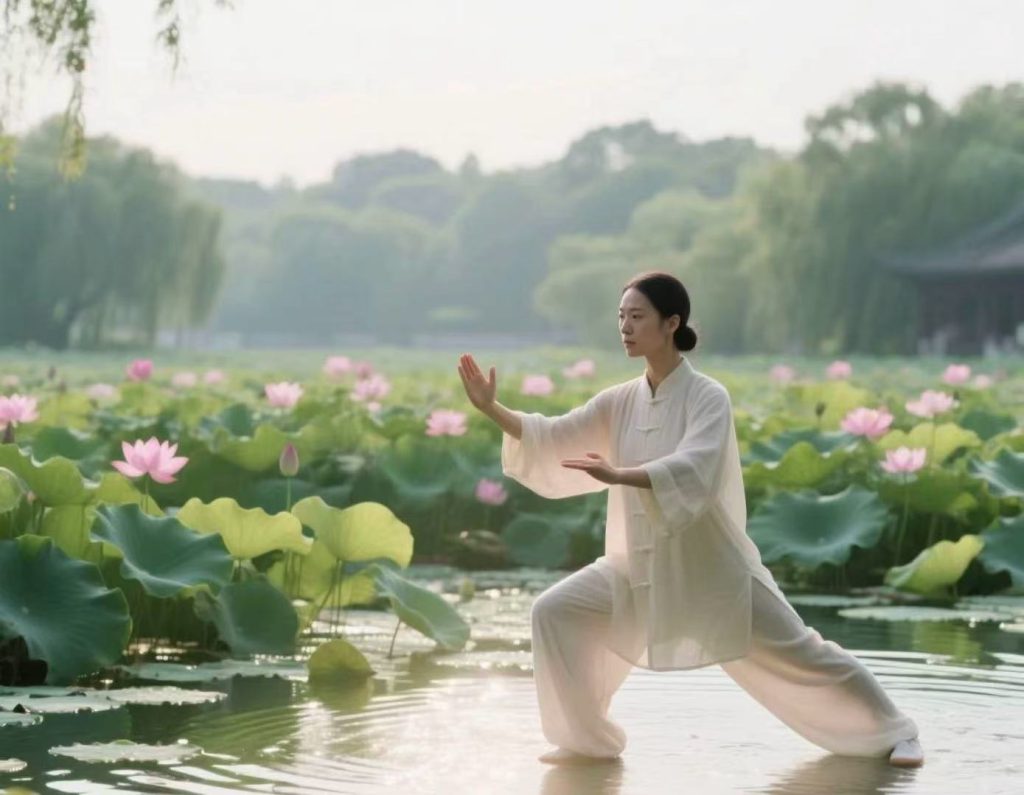
Regular, gentle movement supports the circulation of qi and blood while maintaining overall vitality. Exercise should leave you lightly sweating, not exhausted. Recommended practices include:
- Daily walking – Keeps the body active and supports heart health.
- Stretching – Loosens muscles and improves flexibility.
- Tai Chi or Baduanjin – Strengthens the body, calms the mind, and balances energy.
- Frequent movement breaks – Stand, stretch, or walk if sitting for long periods.
Even a 10–15 minute walk after meals can improve digestion, regulate blood sugar, and enhance mental clarity. Combining movement with mindful breathing further strengthens energy flow and promotes a sense of calm.
A Peaceful Mind Is the Best TCM Wellness

Many health issues start with emotional stress. Anxiety, anger, tension, or excessive worry can weaken immunity, affect digestion, and disrupt sleep. Maintaining a calm mind strengthens resilience and allows the body to heal naturally.
Practical strategies include:
- Mindful breathing or meditation – Reduce stress and center your mind.
- Spending time in nature – Walk in parks, near rivers, or forests to clear the mind.
- Journaling or reflection – Process emotions and maintain clarity.
A peaceful mind enhances energy, immunity, and overall quality of life. Emotional balance is as important as diet and exercise for long-term wellness.
Small Habits, Big Health Benefits

Small, daily habits are the cornerstone of TCM wellness:
- Soak feet in warm water before bed – Relaxes the body.
- Massage the Zusanli point (ST36) – Supports digestion and immunity.
- Drink warm water – Hydrates and helps detox.
- Dress for the season – Protects internal energy and balances qi.
These simple routines bring lasting health benefits.
The Core Principles of TCM Wellness
- Follow the seasons – Adjust diet and habits to align with nature’s rhythm.
- Nourish the body – Eat balanced, wholesome meals to strengthen qi and blood.
- Regulate routine – Prioritize sleep, gentle movement, and daily rhythm for optimal energy.
- Keep calm – Maintain emotional balance to protect vital energy and support overall health.
In TCM, the best doctor is yourself, and the best pharmacy is your daily life. By practicing these principles consistently, you can prevent illness, maintain vitality, and enjoy a balanced, healthy life.
Start today. Eat well, sleep well, move gently, and keep calm. Integrate TCM wisdom into your everyday routine to nurture your body, mind, and spirit for long-lasting health and well-being
You may also read:How to Practice Spring Liver Care for Energy, Mood, and Health





[…] Living Well with TCM: Make Wellness Part of Your Routine, Get a Strong Body Without Effort […]