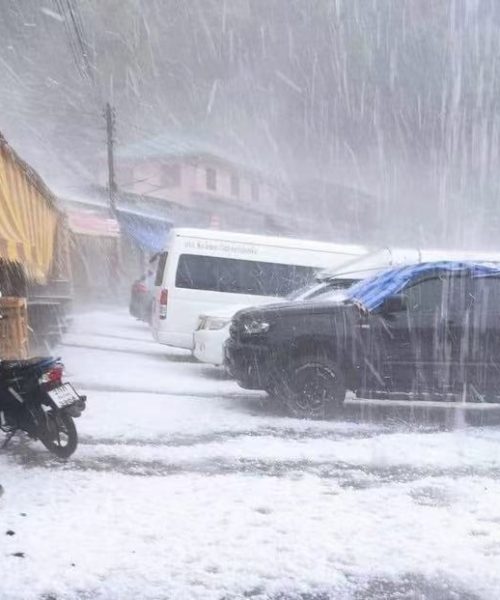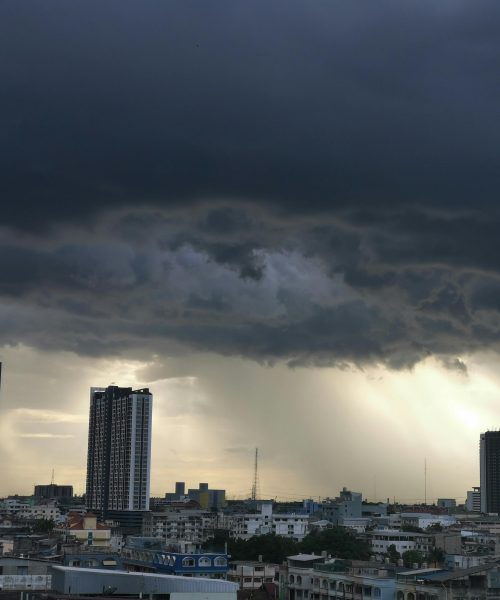

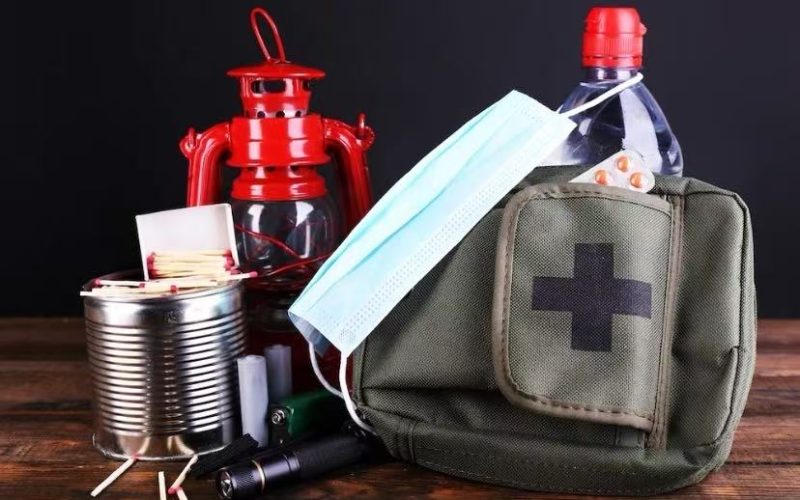
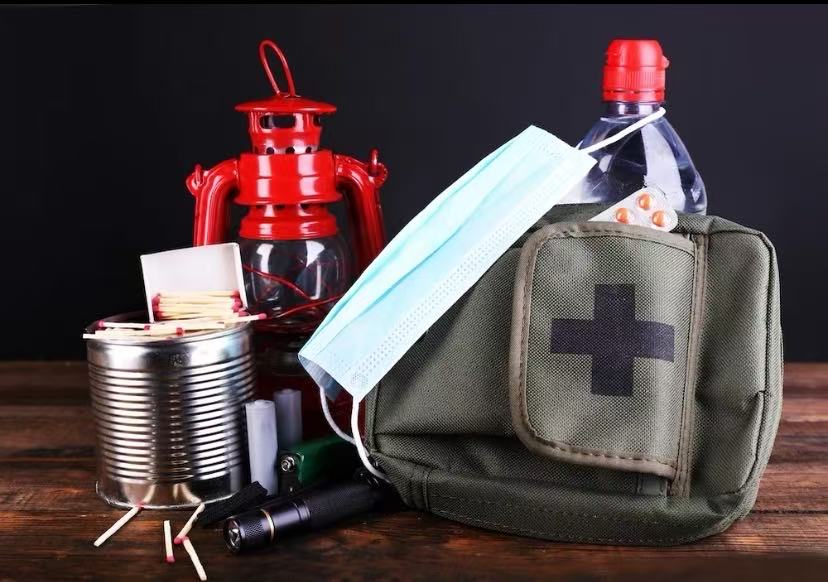
Natural disasters such as earthquakes, floods, typhoons, landslides, heavy snowstorms, and dust storms are unpredictable and vary in intensity. Despite their differences, there are universal principles for emergency preparedness, on-site response, self-rescue and mutual aid, and post-disaster recovery. By maintaining daily preparedness, memorizing safety measures, and following standardized post-disaster procedures, families and communities can respond calmly during emergencies and restore normal life more quickly.
Disasters not only threaten lives but also disrupt social order, transportation, power supply, and communication networks. Therefore, comprehensive planning and regular practice of emergency preparedness are essential to minimize losses and ensure rapid recovery.
The Importance of Family-Level Emergency Preparedness
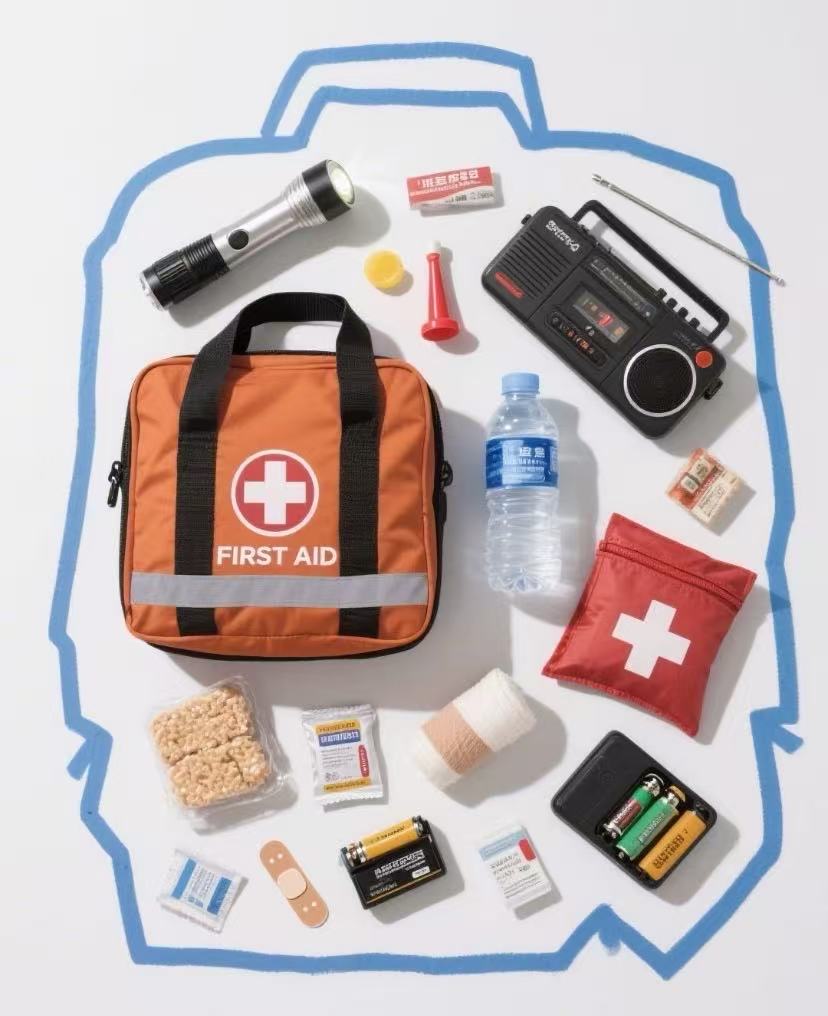
The family is the smallest unit of disaster prevention and mitigation. Each household should maintain a professional emergency kit. Essential items include:
- Bottled water (at least 3 liters per person per day for at least 3 days)
- Compressed or canned food
- Flashlights and spare batteries
- Whistles
- Bandages, iodine solution, and first aid supplies
- Commonly used medications
- Thermal blankets
- Multifunctional knives
- Power banks and portable chargers
- Masks and gloves for dust or debris protection
These supplies should be stored in designated, easily accessible locations, and families should check them periodically to replace expired or damaged items. Some families also prepare small portable “go-bags” to carry essential items if they need to evacuate quickly.
Every family member should be familiar with nearby emergency shelters, stairwell escape routes, and community evacuation paths. Memorizing emergency contact numbers and establishing pre-agreed family meeting points is essential in case of separation during a disaster. Children and elderly family members should understand basic rescue methods and safety knowledge, while adults should actively learn disaster avoidance techniques.
Participation in community and school-organized emergency drills helps develop practical skills, including:
- Protecting the head and avoiding falling objects
- Orderly evacuation through designated routes
- Signaling for help using whistles, mirrors, or improvised tools
- Basic first aid and simple life-saving techniques
Additionally, families should create an internal emergency plan, designating responsibilities for each member during a disaster, such as who will carry the emergency kit, who assists children or elderly members, and how to communicate if mobile networks are down.
Principles During a Disaster
When disaster strikes, life takes priority over property.
- Avoid delaying evacuation due to attachment to money, homes, vehicles, or other valuables.
- Follow instructions from official emergency personnel and community workers.
- Evacuate in an orderly manner without panic, pushing, cutting lines, or backtracking.
Different types of disasters require specific precautions:
- Earthquakes: Drop, cover, and hold on. Stay away from windows, heavy furniture, and outer walls.
- Floods: Move to higher ground immediately. Avoid walking or driving through floodwaters.
- Typhoons and strong winds: Stay indoors, close doors and windows, and avoid using elevators.
- Landslides: Be alert to unusual soil movement or water runoff; evacuate if terrain is unstable.
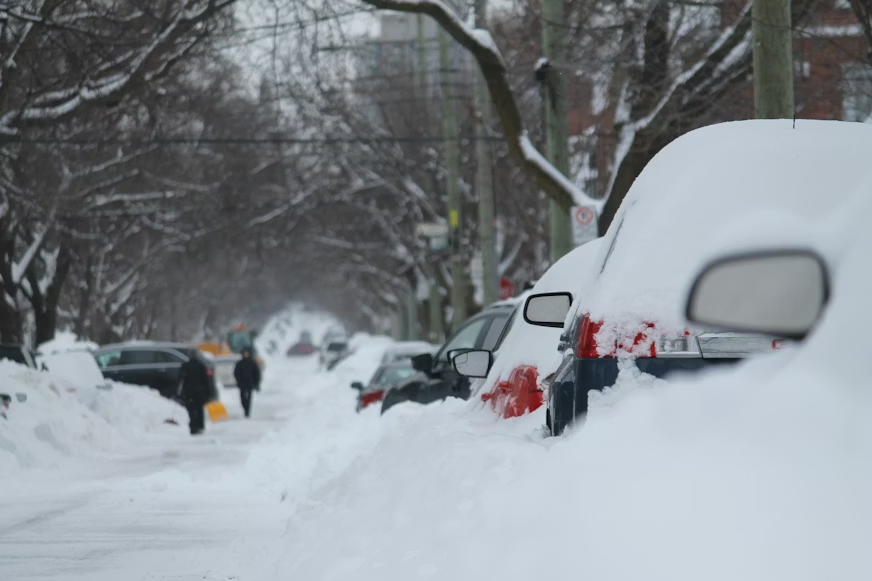
- Heavy snowstorms: Keep warm, maintain ventilation, and avoid unnecessary travel.
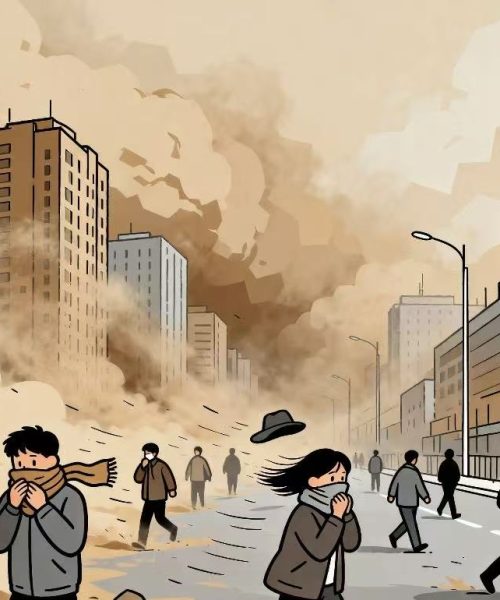
- Dust storms: Wear masks and goggles; stay indoors if possible.
If trapped in rubble or hazardous areas:
- Remain calm and control emotions
- Conserve energy and water
- Avoid shouting loudly to preserve strength
- Use whistles, taps, or other rhythmic signals to attract rescuers
Maintaining composure in these situations significantly increases the chances of survival. Stories from previous disasters show that people who remain calm and follow proper signaling methods are more likely to be rescued quickly.
Post-Disaster Safety Measures
Once a disaster subsides, the first priority is safety inspection:
- Stay away from unsafe structures, unstable slopes, downed power lines, and damaged bridges or riverbanks
- Avoid entering debris or hazardous areas until officially declared safe
Food and water safety is critical:
- Only drink boiled or purified water
- Consume properly sealed and uncontaminated food
- Avoid spoiled, contaminated, or disaster-exposed food to prevent illness
Environmental hygiene is equally important:
- Remove waste and debris promptly
- Eliminate standing water to prevent mosquito breeding
- Conduct disinfection measures to prevent outbreaks of infectious diseases
Psychological support is also a key component of recovery. Disasters can cause stress, anxiety, and trauma, especially for children and elderly individuals. Families should:
- Provide emotional support to each other
- Share experiences and feelings to relieve stress
- Seek professional psychological help if needed
- Engage in community support networks to strengthen social bonds
Community cooperation is vital:
- Help neighbors, particularly vulnerable individuals
- Follow government instructions for aid and resettlement
- Participate in community cleanup, rebuilding, and disaster prevention programs
Restoring Normal Life and Strengthening Disaster Resilience
Post-disaster recovery involves gradually resuming daily routines, work, and production. Key steps include:
- Conducting thorough safety checks before re-entering homes or workplaces
- Restoring utilities and communication networks carefully
- Participating in rebuilding infrastructure and community facilities
- Engaging in training and drills to strengthen future emergency preparedness
By emphasizing emergency preparedness, maintaining practical skills, and promoting cooperation, societies can improve their ability to withstand disasters. Preparedness at the household level, combined with community engagement and structured recovery measures, ensures that life can return to normal as quickly and safely as possible.
In addition, long-term resilience requires:
- Continuous public education about natural hazards
- Investment in early warning systems
- Strengthening building codes and infrastructure
- Regular review and update of emergency plans at family and community levels
These measures collectively help communities reduce vulnerability, respond effectively, and recover more quickly from future natural disasters.
You may also read: