
Why Typhoon Safety Matters
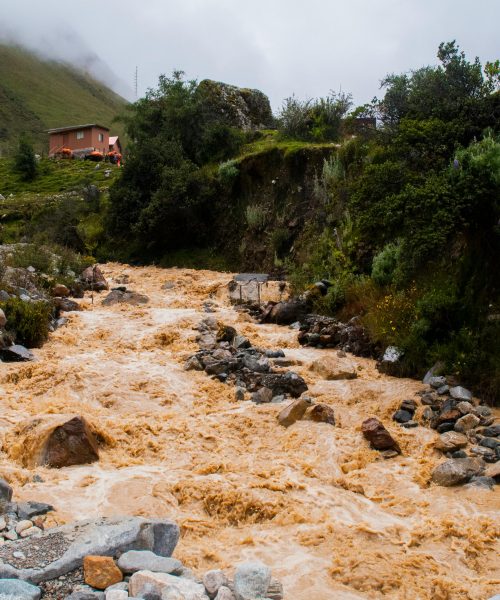
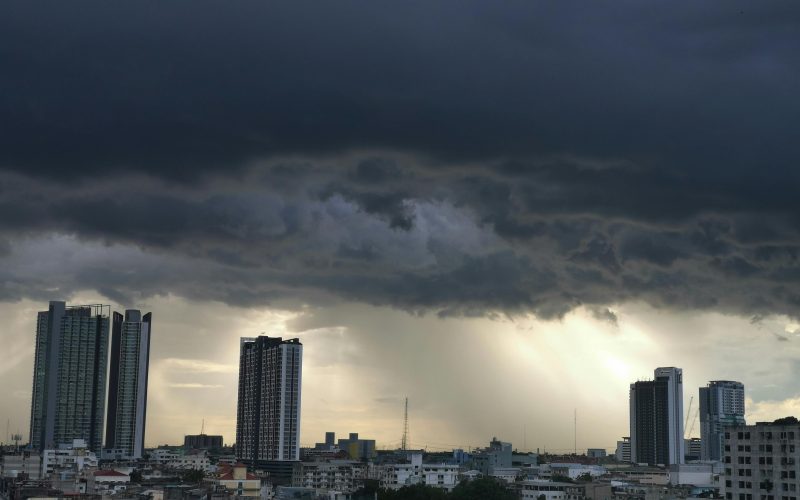
Typhoon are among the most destructive natural disasters in many coastal and inland regions. Strong winds, torrential rain, flooding, and storm surges can destroy homes, knock down trees, damage power lines, and threaten lives within hours.
A strong typhoon can also cause landslides, urban flooding, and seawater intrusion. Because of these risks, learning proper typhoon safety procedures is essential for every family.
This typhoon safety guide explains how to prepare before a storm arrives, how to stay safe during landfall, and what to do after the danger passes.
Before the Typhoon: Early Preparation Saves Lives
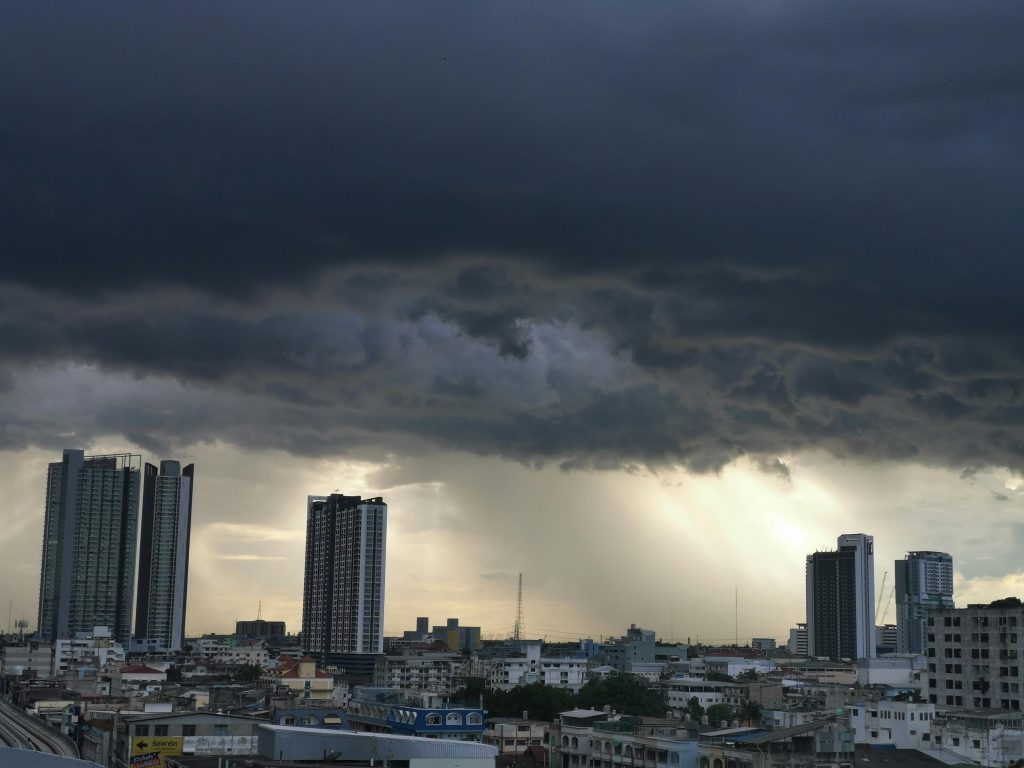
Follow Weather Forecasts and Typhoon Alerts
The first step in typhoon safety is staying informed.
Always monitor official weather forecasts and emergency warnings. Pay attention to:
- Typhoon path
- Wind strength
- Rainfall forecasts
- Flood warnings
- Evacuation notices
If authorities issue evacuation orders, follow them immediately.
People living in coastal areas, low-lying neighborhoods, or flood-prone regions should prepare earlier than others.
Coastal Workers and Fishermen Must Return to Shore
Fishing boats and offshore workers face extreme danger during typhoons.
Before landfall:
- All fishing vessels should return to safe harbors
- Boats should be secured with reinforced ropes
- Offshore construction work must stop
- Coastal tourism activities should close
Never risk going out to sea during a typhoon warning.
Evacuate Unsafe Homes Early
People living in:
- Temporary shelters
- Old buildings
- Coastal lowlands
- Mountain villages
- Flood-prone homes
should move to safer locations before the storm arrives.
Bring important supplies such as:
- Identification documents
- Mobile phones and chargers
- Medicines
- Flashlights
- Drinking water
- Emergency food
Official evacuation centers are much safer than remaining inside damaged or unstable buildings.
Home Typhoon Safety Preparation
Reinforce Doors and Windows
Strong typhoon winds can shatter glass and damage buildings.
To improve home safety:
- Secure loose windows and doors
- Use tape in an “X” or grid pattern on glass windows
- Close storm shutters if available
- Move valuable items away from windows
This reduces the risk of flying glass injuries.
Remove Outdoor Objects
Loose objects can become dangerous during high winds.
Before the typhoon arrives, remove or secure:
- Flower pots
- Clothes racks
- Outdoor furniture
- Hanging decorations
- Construction materials
- Balcony items
Even small objects can become deadly in powerful winds.
Clear Drainage Systems
Heavy rainfall often causes severe urban flooding.
Check and clean:
- Balcony drains
- Roof drainage pipes
- Yard gutters
- Community drainage channels
Proper drainage helps prevent water from entering homes.
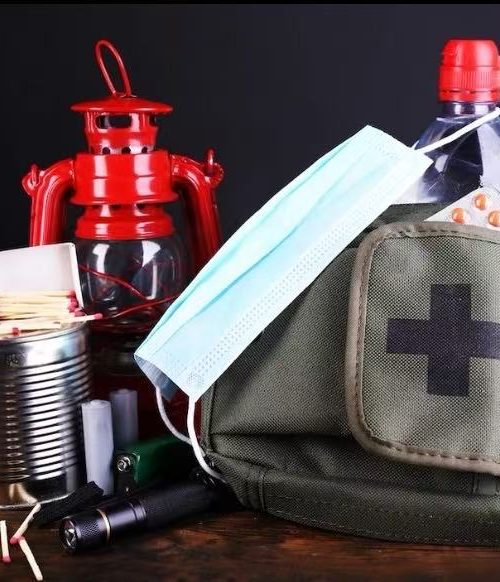
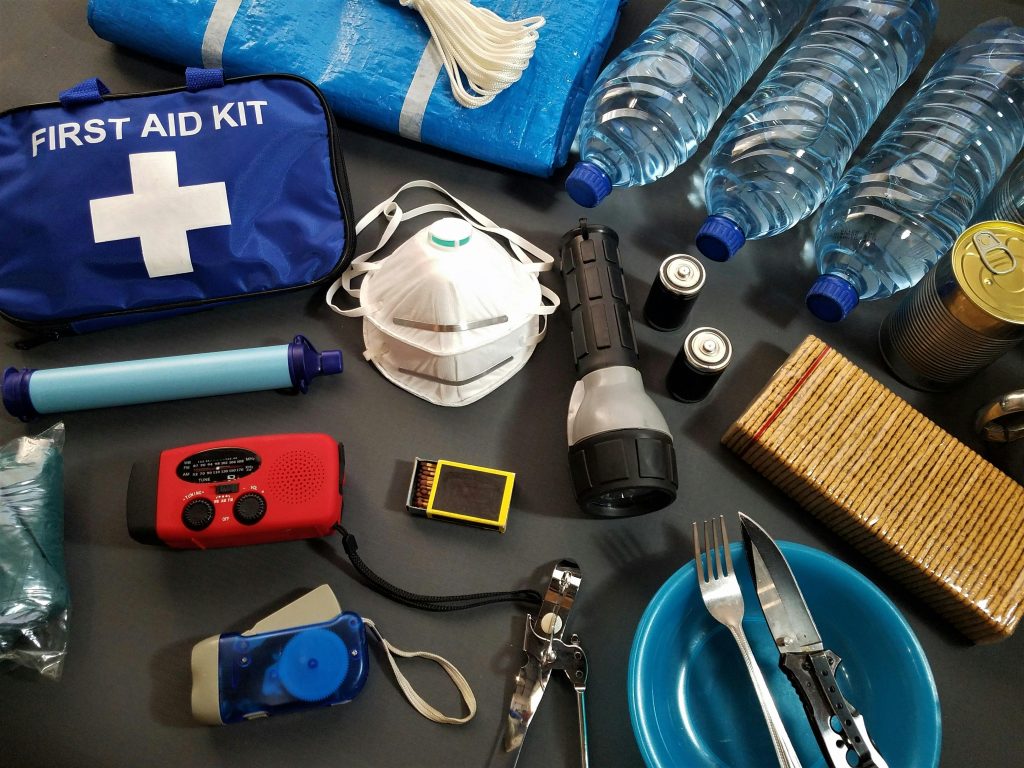
Prepare an Emergency Supply Kit
Power outages and transportation disruptions are common during typhoons.
Every household should prepare:
- Bottled water
- Instant food
- Flashlights
- Batteries
- Power banks
- First aid supplies
- Basic medicines
- Portable radio
A fully charged phone can become extremely important during emergencies.
During the Typhoon: Stay Indoors and Avoid Risks
Do Not Go Outside
One of the most important typhoon safety rules is simple:
Stay indoors.
Do not:
- Walk outside
- Drive unless absolutely necessary
- Ride bicycles or motorcycles
- Visit beaches
- Watch giant waves near the coast
Typhoon winds can suddenly increase and throw debris through the air.
Stay Away From Dangerous Structures
Strong winds can collapse unstable objects.
Avoid staying near:
- Large trees
- Billboards
- Utility poles
- Construction cranes
- Temporary walls
- Scaffolding
These structures frequently fail during severe storms.
Avoid Rivers, Beaches, and Seawalls
Typhoons often create storm surges and flash floods.
Stay far away from:
- Rivers
- Seaside roads
- Coastal barriers
- Bridges
- Flood channels
Water levels can rise very quickly and sweep people away within seconds.
Keep Away From Windows
During intense winds, windows may break unexpectedly.
Do not stand near windows to watch the storm.
Instead:
- Stay in interior rooms
- Keep curtains closed
- Move children away from glass areas
Flying glass is one of the most common causes of injury during typhoons.
After the Typhoon: Stay Alert to Hidden Dangers
Do Not Rush Outside Immediately
Even after the wind weakens, dangers may remain.
Wait for official announcements before leaving shelter.
Hidden risks include:
- Fallen power lines
- Broken tree branches
- Flooded roads
- Damaged buildings
- Gas leaks
Always stay cautious after the storm.
Never Touch Fallen Electrical Wires
Downed electrical cables are extremely dangerous.
If you see damaged power lines:
- Keep a safe distance
- Warn others nearby
- Contact emergency services immediately
Never touch wires, metal fences, or standing water near electrical equipment.
Inspect Buildings Carefully
After the storm passes, check your home for damage.
Look for:
- Roof cracks
- Wall damage
- Water leaks
- Broken windows
- Structural instability
If a building appears unsafe, leave immediately and report the danger.
Clean Up Safely After Flooding
Floodwater may contain bacteria, sewage, and harmful chemicals.
After flooding:
- Wear gloves and boots during cleanup
- Remove standing water quickly
- Disinfect wet areas
- Dispose of contaminated food
- Prevent mosquito breeding
Good sanitation helps reduce disease risks after disasters.
Build Long-Term Typhoon Awareness
Typhoon safety should become part of daily life in vulnerable regions.
Families should:
- Practice emergency evacuation plans
- Keep emergency kits updated
- Learn local shelter locations
- Teach children basic safety rules
- Stay informed during typhoon season
Prepared communities recover faster and reduce injuries and property damage.
Final Thoughts
Typhoons can develop quickly and become deadly within hours. However, proper preparation, calm decision-making, and strong safety awareness greatly reduce danger.
By preparing early, staying indoors during the storm, and remaining cautious afterward, families can protect both lives and property during severe weather events.
Natural disasters cannot always be avoided, but smart preparation can save lives.