
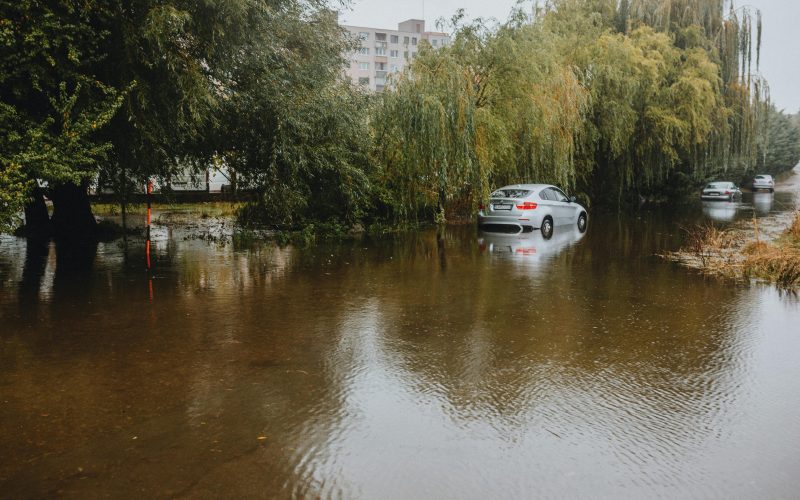
Why Flood Emergency Evacuation Matters
Floods can develop very quickly. In some cases, there is almost no warning. Heavy rain, river overflow, dam failure, and flash floods can all turn calm areas into dangerous zones within minutes.
This is why flood emergency evacuation is a critical life skill. It is not just about escaping water. It is about reacting early, staying calm, and choosing safe actions under pressure.
Floodwater moves fast and carries hidden dangers. These include electrical hazards, unstable buildings, and strong currents. Many injuries happen not because people cannot escape, but because they leave too late or choose unsafe routes.
This guide explains each step in a simple and practical way so it can be used in real emergencies.
Early Warning and First Response
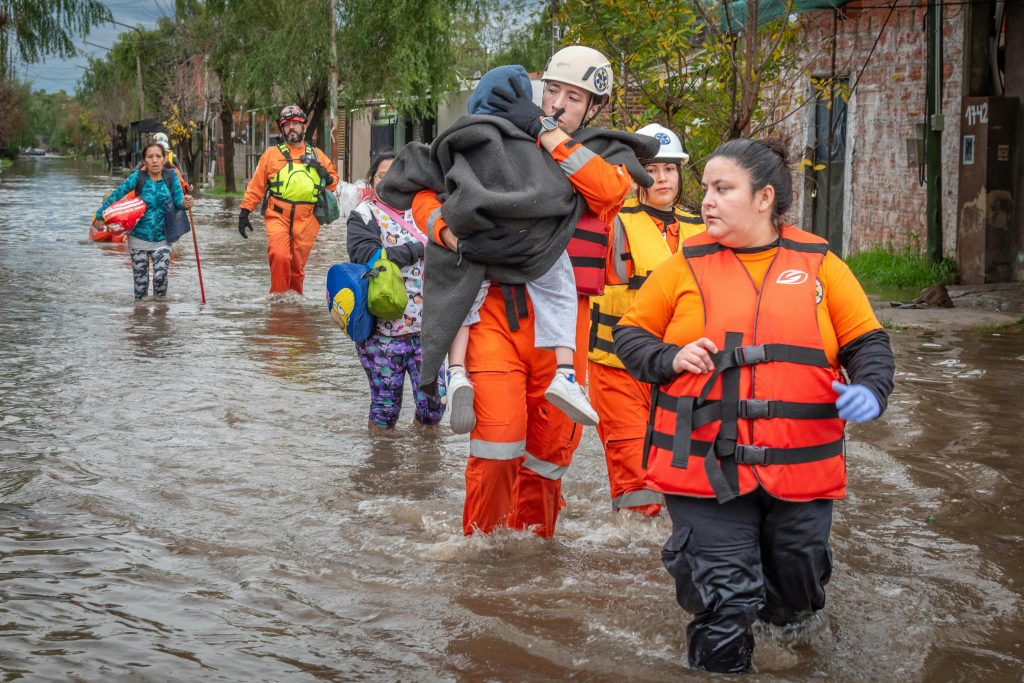
The safest evacuation always begins before flooding starts.
When official weather alerts or flood warnings are issued, they should never be ignored. Even light warnings can become serious within a short time.
High-risk areas include:
- Riverbanks
- Low-lying neighborhoods
- Basements
- Old or weak buildings
People in these locations should act immediately.
Safe evacuation destinations include:
- Higher ground
- Elevated areas such as hills
- Upper floors of strong buildings
- Official emergency shelters
In flood emergency evacuation, early movement is the most important decision. Waiting often reduces survival options.
Moving Safely During Flood Emergency Evacuation
Once flooding begins, conditions change quickly. Roads may disappear. Water depth becomes unclear. Currents can become stronger without warning.
The basic rule is simple: move upward, not through water.
Avoid:
- Tunnels and underpasses
- Underground parking areas
- Drainage channels
- Flooded streets
Floodwater often looks shallow but can be deeper or faster than expected.
Do Not Enter Unknown Water
Walking through floodwater is extremely risky. Hidden dangers include:
- Open manholes
- Sharp debris
- Electrical wires
- Sudden deep holes
If movement is unavoidable:
- Use a stick to test the ground
- Move slowly and carefully
- Avoid fast-moving water completely
Even weak currents can knock a person down.
Flood Emergency Evacuation Indoors
Sometimes people cannot leave immediately because water rises too fast.
Cut Power and Gas Immediately
This step is essential. It reduces the risk of:
- Electric shock
- Fire hazards
- Gas leaks
After that, move to the safest area available.
Go to:
- Upper floors
- Roof areas only if structurally safe
Never stay in basements or ground-level rooms during flooding
Stay Above Rising Water
If water continues to rise, survival may depend on staying above it.
You can use:
- Wooden boards
- Plastic containers
- Foam materials
- Doors or large panels
These can help you stay afloat or stable while waiting for rescue.
Do not attempt to swim through floodwater. Strong currents make swimming extremely dangerous.
Vehicle Safety During Flood Emergency Evacuation
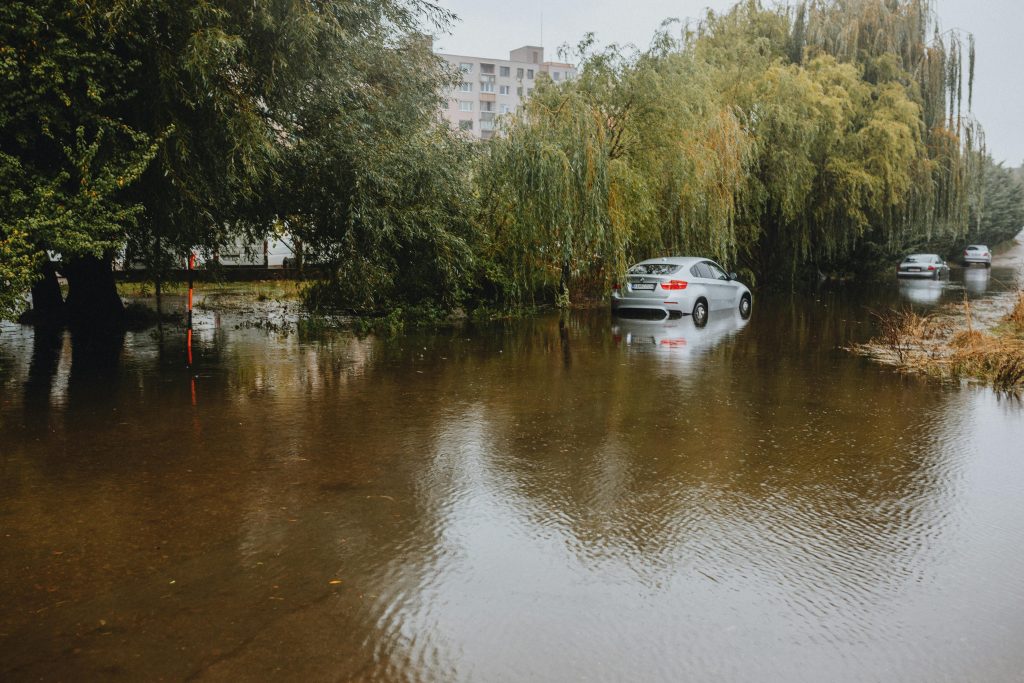
Vehicles become unsafe very quickly during floods. Many people underestimate how fast conditions change.
If Water Is Rising
You should:
- Leave the vehicle immediately
- Do not attempt to save belongings
- Move to higher ground as fast as possible
A car can stall or float within minutes.
If You Are Trapped Inside
If doors cannot open:
- Try alternative exits
- Break side windows if needed
- Escape immediately
Once outside, move away from the vehicle. Floodwater can carry it or cause it to shift suddenly.
After Flooding: Hidden Risks Remain
Even when water goes down, danger is not over.
Avoid Unsafe Water and Food
Do not:
- Drink untreated water
- Eat food exposed to floodwater
Floodwater may contain bacteria, chemicals, and waste materials that can cause illness.
Clean Living Areas Carefully
After returning home:
- Clean all surfaces
- Disinfect floors and furniture
- Remove mud and debris
- Dispose of contaminated food
Clean environments help prevent disease after flood emergency evacuation situations.
Watch for Structural Hazards
Even if everything looks normal, hidden dangers may remain:
- Weak building structures
- Fallen electrical lines
- Damaged roads
- Unstable ground
Always check surroundings carefully before re-entering areas.
Building Long-Term Preparedness
Flood safety is not only about reacting. It is also about preparation.
To improve safety:
- Learn local evacuation routes
- Identify nearby high ground
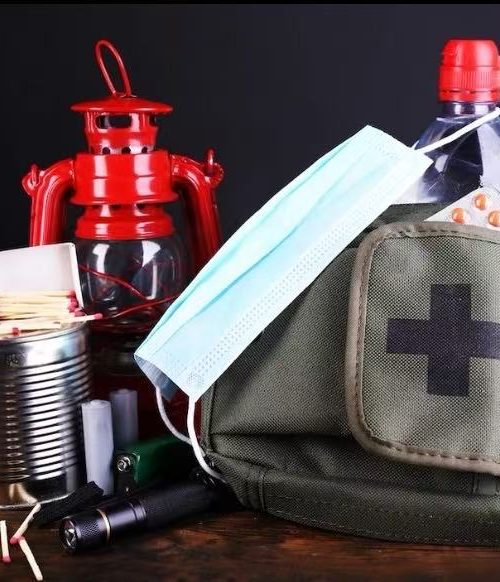
- Prepare emergency supplies
- Monitor weather alerts regularly
Families should also practice evacuation steps so everyone knows what to do in real situations.
Preparedness makes flood emergency evacuation faster and safer.
Fast Action Saves Lives
Floods are unpredictable, but survival depends on response.
The key rules are simple:
- Move to higher ground early
- Avoid floodwater whenever possible
- Leave vehicles immediately if water rises
- Cut electricity and gas if trapped indoors
- Stay alert even after flooding ends
A calm and early response during flood emergency evacuation can greatly reduce risk and save lives.
Preparedness is not optional. It is protection.
You may also read:
Earthquake Emergency Safety: A Simple Guide That Can Save Your Life