

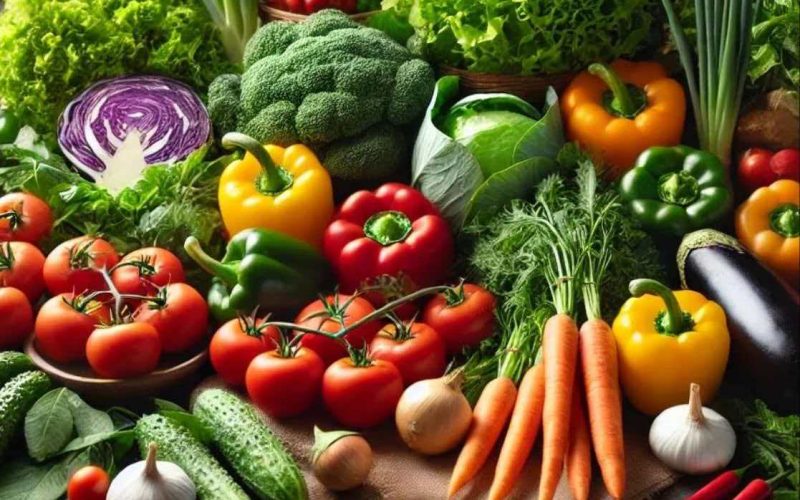
Most people grow up hearing the same advice: eat carrots for better vision. It is true that carrots support eye health because they are rich in beta-carotene, which the body converts into vitamin A. This nutrient plays an important role in maintaining a healthy retina and supporting night vision.
However, eye health is far more complex than a single nutrient or food.
In reality, there are many eye health foods that provide broader and more powerful nutritional support than carrots alone. Your eyes depend on a combination of antioxidants, vitamins, healthy fats, and plant compounds to function at their best over time.
A well-balanced diet rich in eye health foods can help reduce eye strain, slow age-related vision decline, and support long-term visual clarity. In this guide, you will discover five of the most effective eye health foods and how they protect your vision naturally.
What Your Eyes Really Need
Before exploring specific foods, it is important to understand what actually supports healthy vision.
Your eyes rely on a variety of key nutrients, including:
- Lutein and zeaxanthin – protect the retina and filter harmful blue light
- Vitamin A – essential for night vision and overall eye function
- Vitamin C – strengthens blood vessels in the eyes
- Vitamin E – protects cells from oxidative damage
- Omega-3 fatty acids – support tear production and retinal health
- Antioxidants – reduce inflammation and protect eye tissues
When you regularly consume a variety of eye health foods, you build a complete nutritional defense system for your vision.
Dark Leafy Greens: The Foundation of Eye Health Foods
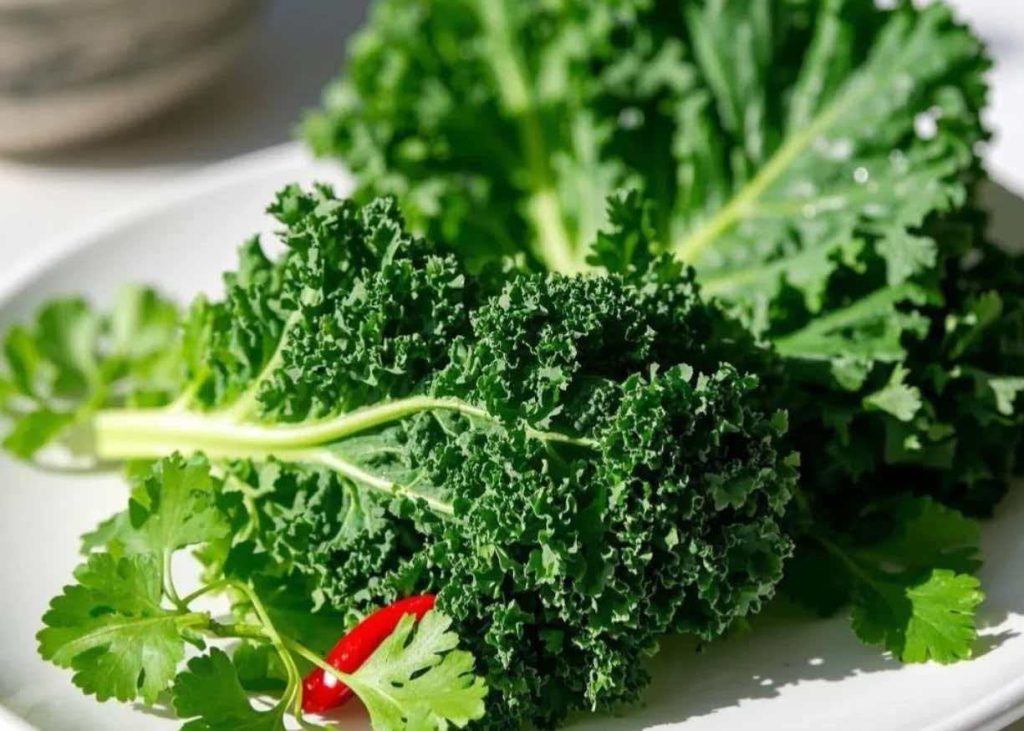
Dark leafy greens such as spinach, kale, and collard greens are among the most powerful eye health foods available.
They are rich in lutein and zeaxanthin, two antioxidants that naturally accumulate in the retina. These compounds act as a protective filter, helping reduce damage caused by blue light exposure from screens and sunlight.
This is especially important in today’s digital world, where screen time is unavoidable.
Studies suggest that regular consumption of leafy greens may reduce the risk of age-related macular degeneration and cataracts.
How to include them:
Add spinach to smoothies, salads, soups, or cooked meals. Even small daily servings can make a long-term difference.
Berries: Antioxidant-Rich Eye Health Foods for Protection
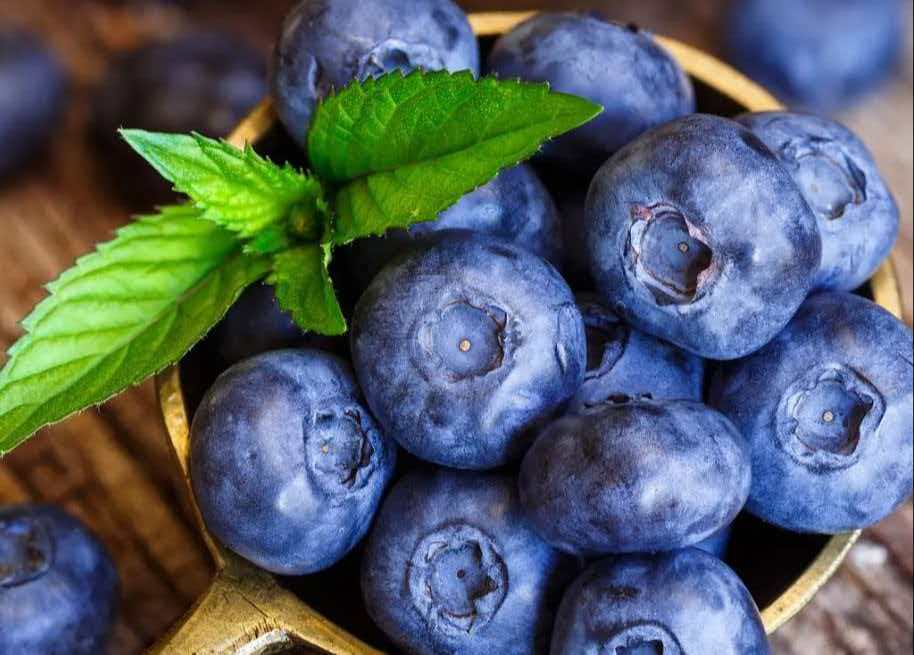
Berries such as blueberries, blackberries, and cranberries are powerful eye health foods packed with antioxidants.
They contain anthocyanins, compounds that help protect eye tissues from oxidative stress and inflammation. These antioxidants may also improve blood circulation to the retina.
Better blood flow means better oxygen and nutrient delivery, which supports overall visual performance.
Some research also suggests that berries may help improve night vision and slow age-related vision decline.
How to eat them:
Add berries to breakfast bowls, yogurt, oatmeal, or smoothies for an easy daily boost.
Nuts and Seeds: Small Eye Health Foods with Big Benefits
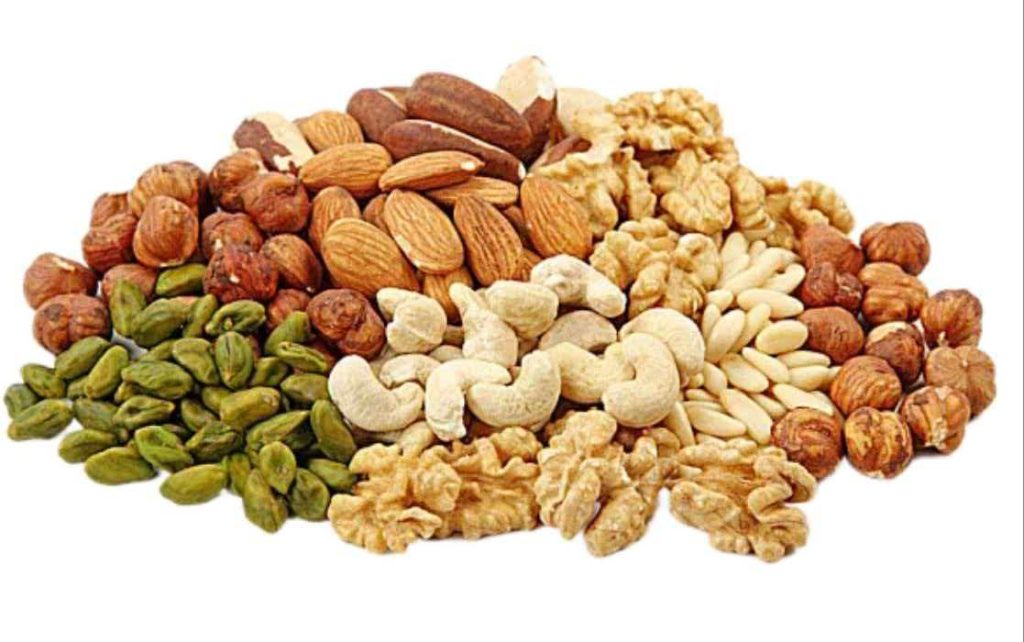
Nuts and seeds are simple yet highly effective eye health foods.
Almonds, walnuts, flaxseeds, and pumpkin seeds provide essential nutrients such as vitamin E, zinc, and omega-3 fatty acids.
Vitamin E protects eye cells from oxidative damage, while omega-3s help support retinal function and reduce inflammation. These nutrients are especially important for long-term eye health and comfort.
How to include them:
Eat a small handful daily or sprinkle seeds over salads, yogurt, or oatmeal.
Fatty Fish: Essential Omega-3 Eye Health Foods
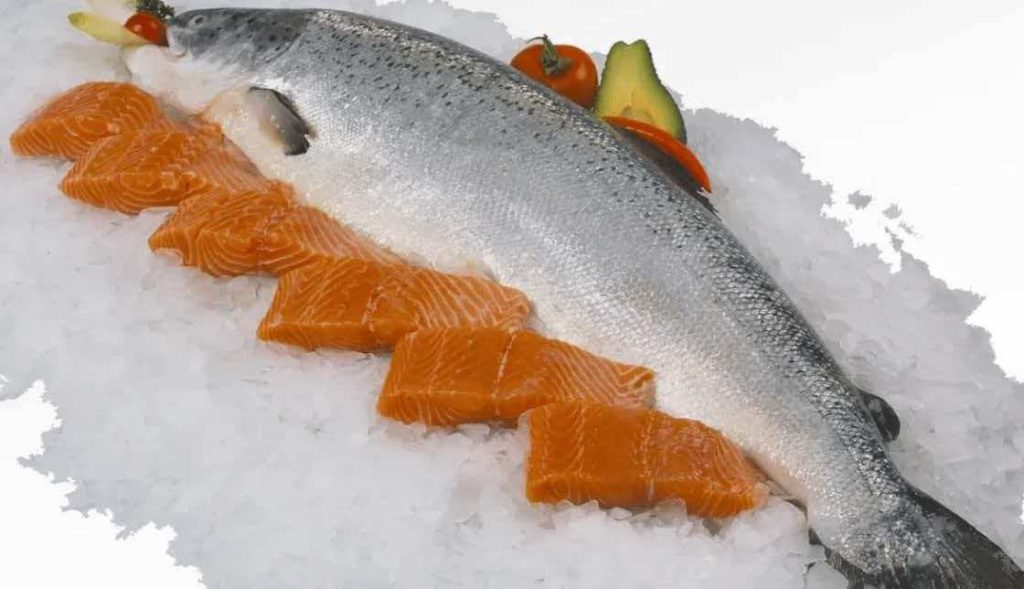
Fatty fish such as salmon, sardines, and tuna are some of the most effective eye health foods for vision support.
They are rich in DHA (docosahexaenoic acid), a key structural component of the retina. DHA helps maintain proper visual function and supports communication between the eyes and brain.
Omega-3 fatty acids also help reduce dry eye symptoms by improving tear quality and reducing inflammation.
This is especially beneficial for people who spend long hours in front of digital screens.
How to include them:
Aim to eat fatty fish 2–3 times per week, preferably grilled, baked, or steamed.
Colorful Fruits and Vegetables: A Complete Eye Health Foods Strategy
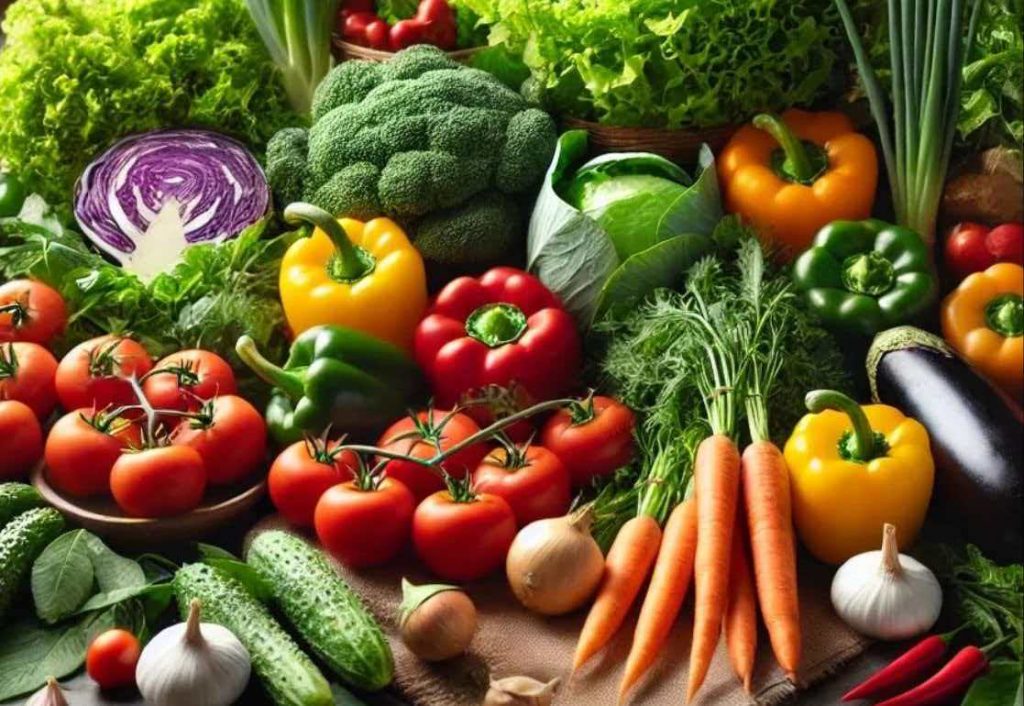
A colorful plate is often a sign of a nutrient-rich diet. Red peppers, oranges, tomatoes, carrots, and pumpkins are all important eye health foods.
These foods contain vitamin C, beta-carotene, and various carotenoids that protect blood vessels in the eyes and reduce oxidative damage.
Vitamin C also supports collagen production, which helps maintain healthy eye structure.
The more variety of colors you include in your diet, the more complete your eye nutrition becomes.
Simple rule:
Try to include at least 2–3 different colors in every meal.
Why Carrots Alone Are Not Enough for Eye Health
Carrots are healthy, but they only provide one part of the nutritional picture.
Your eyes require a wide range of nutrients to function optimally. Relying only on carrots means missing out on important compounds such as lutein, omega-3 fatty acids, vitamin E, and anthocyanins.
That is why a balanced intake of eye health foods is far more effective than focusing on a single vegetable.
Think of eye health as a system, not a single ingredient.
Lifestyle Habits That Support Eye Health Foods
Nutrition works best when combined with healthy lifestyle habits.
To further protect your vision, consider the following:
- Follow the 20-20-20 rule during screen use
- Wear UV-protective sunglasses outdoors
- Stay well hydrated throughout the day
- Get enough sleep for eye recovery
- Schedule regular eye checkups
These habits work together with eye health foods to maintain long-term vision quality.
Healthy vision does not depend on one food—it depends on consistency and variety.
By including a wide range of eye health foods such as leafy greens, berries, nuts, fatty fish, and colorful vegetables, you provide your eyes with the nutrients they need to stay strong and function properly.
Carrots are helpful, but they are only the beginning. A diverse and balanced diet offers far greater protection and long-term benefits for your vision.
Start small. Add one or two eye health foods to your meals this week, and build from there. Over time, these simple choices can help support clearer, stronger, and healthier eyesight.
You may also read:
“Sleep Soundly Tonight: 5 Foods That Promote Faster, Better Sleep”