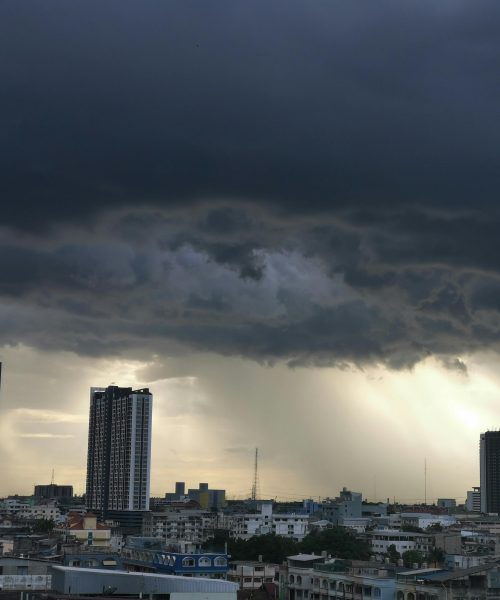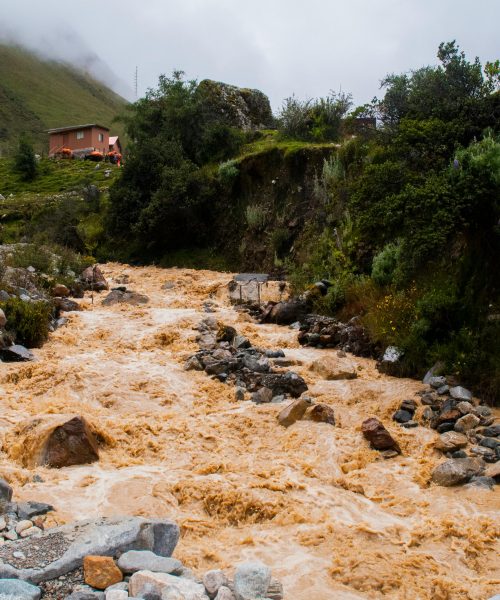

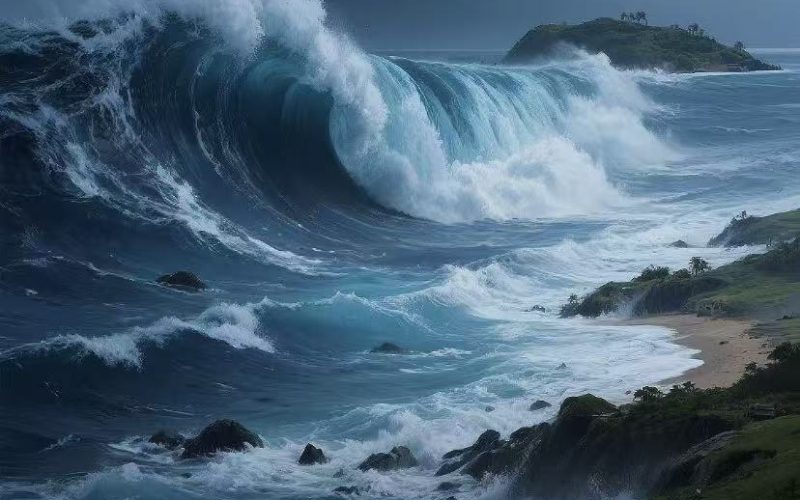
Tsunami are among the most destructive natural disasters on Earth. Triggered mainly by undersea earthquakes, volcanic eruptions, or submarine landslides, these massive ocean waves can travel at terrifying speeds and strike coastlines with overwhelming force. Within minutes, entire coastal communities may become flooded, roads destroyed, and escape routes cut off.
Unlike ordinary ocean waves, a tsunami is not just one wave. It often arrives as a series of powerful surges capable of carrying vehicles, boats, trees, and buildings inland. For people living near the coast or traveling at beaches, understanding tsunami warning signs and emergency survival methods can mean the difference between life and death.
This tsunami safety guide explains how to identify early tsunami signals, prepare evacuation plans, and protect yourself during and after a tsunami disaster.
Understanding How Tsunamis Form

Most tsunamis are caused by strong underwater earthquakes occurring along tectonic plate boundaries. When the ocean floor suddenly shifts, enormous amounts of water are displaced, creating waves that spread rapidly across the ocean.
Other possible tsunami causes include:
- Underwater volcanic eruptions
- Massive coastal landslides
- Glacier collapses into the sea
- Rare meteor impacts
In deep ocean waters, tsunami waves may travel as fast as a commercial airplane while remaining difficult to notice. However, once they approach shallow coastal areas, the waves rise dramatically in height and become extremely destructive.
Because tsunami waves move so quickly, coastal residents and tourists often have very limited evacuation time.
Natural Tsunami Warning Signs Everyone Should Know
One of the most important tsunami survival skills is recognizing the natural warning signs before official alerts arrive.
Sudden and Unusual Sea Retreat
A major tsunami warning sign is when ocean water suddenly pulls back far from the shoreline without explanation. Large sections of the seabed, rocks, coral, and sand may become exposed within minutes.
This abnormal retreat of seawater is extremely dangerous and often means a tsunami wave is approaching rapidly.
If you ever witness the ocean unexpectedly draining away from the shore:
- Do not stay to watch
- Do not take photos or videos
- Do not collect stranded fish or shells
- Immediately run toward higher ground
Many tsunami victims lose valuable escape time because they stop to observe the strange phenomenon.
Loud Ocean Roaring Sounds
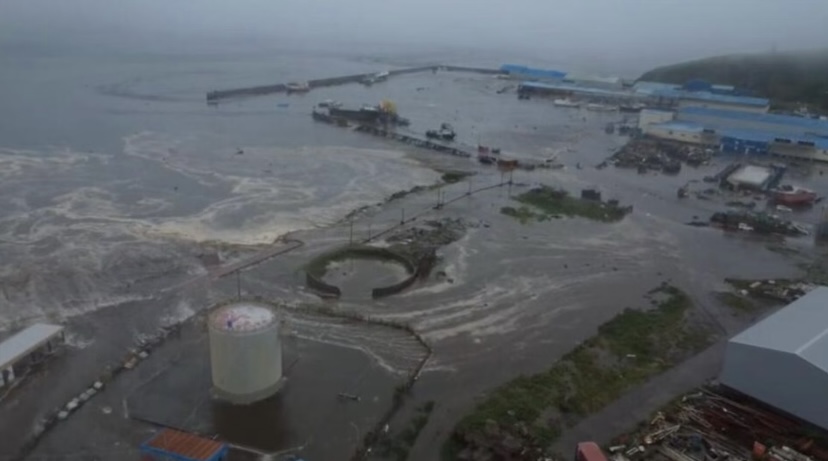
Before a tsunami arrives, people may hear an unusual roaring sound coming from the ocean. Survivors often describe it as sounding like:
- A freight train
- Continuous thunder
- Explosions
- Violent windstorms
If the sea suddenly becomes extremely loud or violent after an earthquake, treat it as a life-threatening warning.
Strong or Long Earthquakes Near Coastal Areas
If you are near the coast and feel a strong earthquake lasting more than several seconds, do not wait for an official tsunami warning.
A powerful coastal earthquake may already indicate tsunami danger.
The safest response is simple:
- Drop, cover, and hold during shaking
- Once the shaking stops, evacuate immediately to higher ground
Remember: natural warning signs may arrive before emergency alerts.
Tsunami Preparedness for Coastal Communities
People living in low-lying coastal villages, beach resorts, fishing communities, or island areas should prepare long before disaster occurs.
Learn Local Evacuation Routes
Every coastal area vulnerable to tsunamis should have designated evacuation paths and safe zones.
Residents should memorize:
- The nearest hills or elevated terrain
- Emergency shelters
- Strong multi-story buildings
- Official tsunami evacuation signs
- Multiple escape routes in case roads are blocked
During a real tsunami, panic and traffic congestion can develop within minutes. Familiarity with evacuation routes saves precious time.
Prepare an Emergency Survival Kit
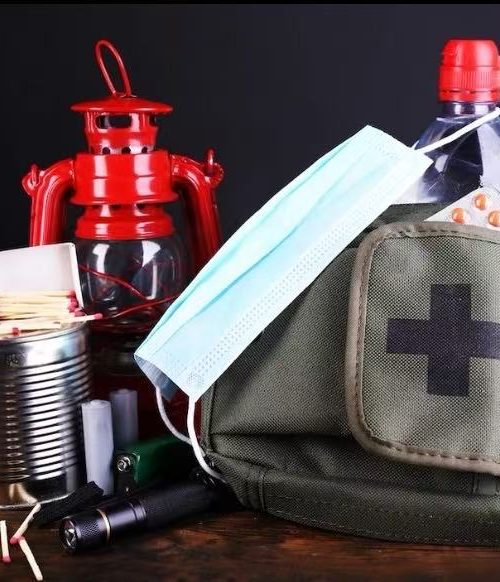
A tsunami emergency kit should contain:
- Drinking water
- Flashlights
- Portable phone charger
- Emergency food
- First aid supplies
- Important documents
- Whistle
- Basic medications
Keep the kit lightweight and easily accessible.
However, during evacuation, remember this principle:
Life comes first. Property comes second.
Never delay escape to collect valuables.
What To Do After Receiving a Tsunami Warning
When authorities issue a tsunami alert, immediate action is essential.
Evacuate Without Delay
Leave the coastline immediately after receiving warnings through:
- Emergency broadcasts
- Mobile alerts
- Sirens
- Police announcements
- Local government notifications
Do not waste time:
- Packing unnecessary belongings
- Moving vehicles
- Taking photographs
- Watching the ocean
Tsunamis can arrive faster than expected.
Move Inland and Uphill
The safest evacuation strategy is to move:
- Far inland
- To elevated terrain
- Above expected flood levels
Whenever possible:
- Evacuate vertically uphill
- Move perpendicular to the coastline
- Avoid running parallel to the beach
Running along the shoreline increases the risk of being overtaken by fast-moving waves.
Help Vulnerable People During Evacuation
Orderly evacuation improves survival chances for everyone.
During escape:
- Avoid pushing or stampeding
- Assist elderly people
- Help children remain calm
- Support injured or disabled individuals
- Follow official instructions carefully
Community cooperation is extremely important during tsunami emergencies.
Tsunami Safety Tips for Tourists and Beach Visitors
Tourists are especially vulnerable because they may not recognize tsunami warning signs or know local evacuation routes.
Stay Alert at Beaches and Coastal Resorts
If you are visiting coastal areas:
- Learn evacuation maps upon arrival
- Pay attention to emergency signs
- Monitor weather and earthquake alerts
- Identify nearby high ground immediately
Never ignore local emergency announcements.
React Immediately to Ocean Abnormalities
If you notice:
- Rapid water retreat
- Sudden giant waves
- Strange ocean noises
- Ground shaking near the shore
Leave the beach immediately.
Do not return for belongings, vehicles, or companions who refuse to evacuate.
Every second matters during a tsunami emergency.
What To Do If You Are Swept Away by a Tsunami
Being caught in tsunami floodwaters is extremely dangerous. The water may contain:
- Debris
- Vehicles
- Broken glass
- Trees
- Sharp metal objects
- Strong currents
Still, survival is possible if you remain calm.
Try to Stay Afloat
If swept into the water:
- Avoid panic and excessive struggling
- Conserve energy
- Grab floating objects such as:
- Wooden boards
- Doors
- Foam containers
- Coolers
- Floating debris
Keeping your head above water greatly improves survival chances.
Protect Yourself From Debris and Currents
Tsunami water often behaves like a violent river filled with dangerous obstacles.
Try to:
- Avoid whirlpools and fast currents
- Protect your head and neck
- Stay away from collapsing structures
- Keep breathing steady
Rescue teams may take time to arrive, so preserving energy is critical.
Dangers After the Tsunami Passes
Many people mistakenly believe the danger ends after the first wave.
In reality, tsunami hazards may continue for hours.
Multiple Waves May Follow
A tsunami often arrives in several waves, and later waves can be even larger than the first.
Never return to coastal areas until authorities officially announce safety.
Watch for Secondary Disasters
After a tsunami, coastal regions may face:
- Flood contamination
- Broken gas lines
- Electrical hazards
- Collapsed buildings
- Disease outbreaks
- Sharp debris in floodwaters
Stay away from:
- Damaged docks
- Flooded roads
- Unstable buildings
- Floating wreckage
Even shallow floodwater can be dangerous.
Follow Emergency Shelter Rules
If relocated to emergency shelters:
- Cooperate with rescue workers
- Follow evacuation management rules
- Maintain hygiene and sanitation
- Report injuries quickly
- Avoid spreading rumors or panic
Disaster recovery depends heavily on organized community cooperation.
Why Tsunami Education Saves Lives
History has repeatedly shown that tsunami awareness dramatically reduces casualties.
In many coastal disasters, survivors escaped because they recognized early warning signs and evacuated immediately. Others sadly lost their lives because they underestimated the danger or delayed evacuation.
Teaching tsunami preparedness in:
- Schools
- Coastal communities
- Tourist destinations
- Hotels and resorts
can help save thousands of lives during future disasters.
Preparedness is not fear. It is survival planning.
Tsunamis strike with extraordinary speed and force, often leaving little time for decision-making. Recognizing natural tsunami warning signs, understanding evacuation procedures, and staying calm during emergencies are essential survival skills for anyone near the ocean.
If the sea suddenly retreats, if the ground shakes strongly near the coast, or if violent roaring sounds come from the ocean, do not hesitate.
Run inland. Move uphill. Escape immediately.
In tsunami disasters, early action saves lives.