Servival skill

General Guidelines for Emergency Preparedness and Post-Disaster Recovery

General Guidelines for Emergency Preparedness and Post-Disaster Recovery

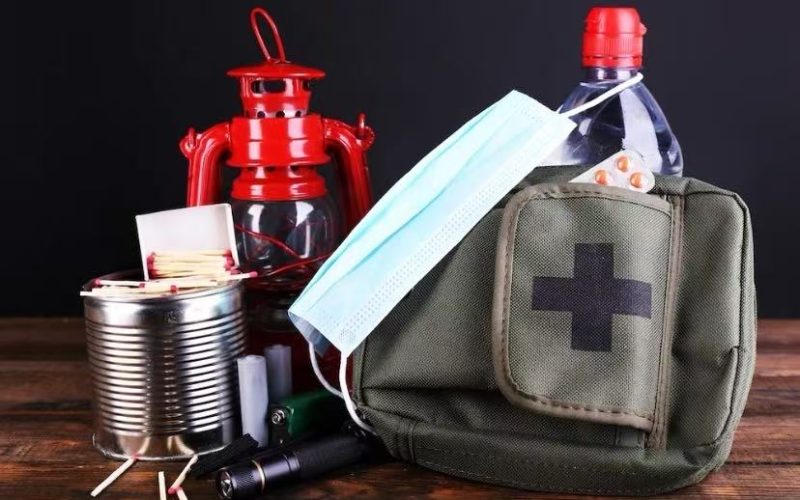
Natural disasters such as earthquakes, floods, typhoons, landslides, heavy snowstorms, and dust storms are unpredictable and vary in intensity. Despite their differences, there are universal principles for emergency preparedness, on-site response, self-rescue and mutual aid, and post-disaster recovery. By maintaining daily preparedness, memorizing safety measures, and following standardized post-disaster procedures, families and communities can respond calmly during emergencies and restore normal life more quickly.Disasters not only threaten lives but also disrupt social order, transportation, power supply, and communication networks. Therefore, comprehensive planning and regular practice of emergency preparedness are essential to minimize losses and ensure rapid recovery. The Importance of…

Read More
Tsunami Safety and Survival Guide

Tsunami Safety and Survival Guide

Tsunami are among the most destructive natural disasters on Earth. Triggered mainly by undersea earthquakes, volcanic eruptions, or submarine landslides, these massive ocean waves can travel at terrifying speeds and strike coastlines with overwhelming force. Within minutes, entire coastal communities may become flooded, roads destroyed, and escape routes cut off.Unlike ordinary ocean waves, a tsunami is not just one wave. It often arrives as a series of powerful surges capable of carrying vehicles, boats, trees, and buildings inland. For people living near the coast or traveling at beaches, understanding tsunami warning signs and emergency survival methods can mean the difference…
Read More
Dust Storm Safety: Comprehensive Guide for

Dust Storm Safety: Comprehensive Guide for

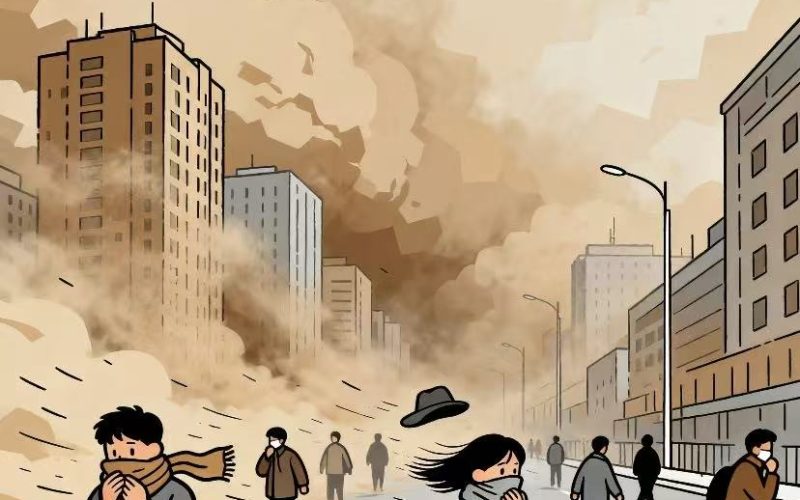
Dust storm are a common extreme weather phenomenon in northern arid and semi-arid regions. They occur when strong winds lift and carry large amounts of sand and dust, sweeping across cities and rural areas. These storms can drastically reduce visibility and severely degrade air quality, posing significant threats to human health and daily life.During dust storms, people are at increased risk of respiratory illnesses, eye injuries, traffic accidents, and injuries caused by falling debris. Therefore, understanding how to recognize early warnings, practice outdoor safety, protect the home, and manage post-storm cleanup is essential for personal safety. Early Warnings and Home…
Read More
Blizzard and Ice Storm Emergency Preparedness: How to Stay Safe in Winter Weather

Blizzard and Ice Storm Emergency Preparedness: How to Stay Safe in Winter Weather

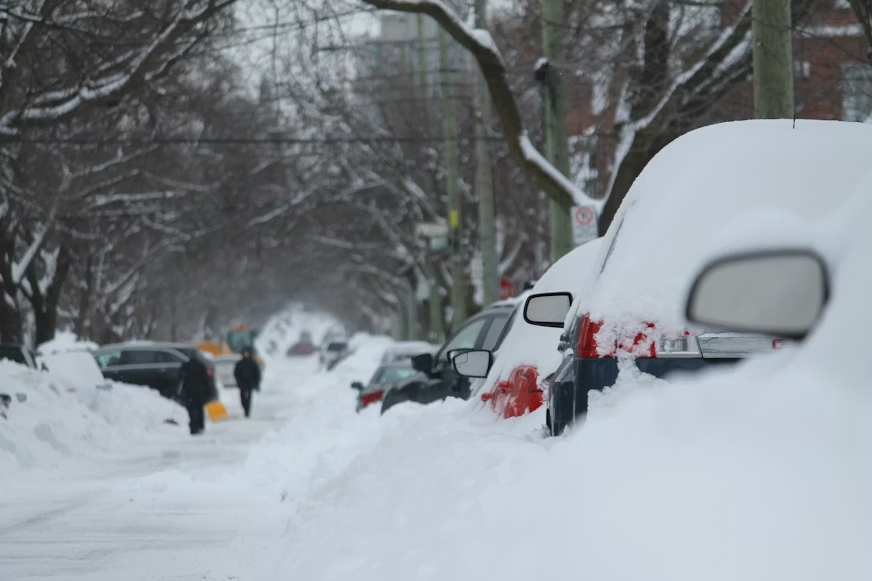
Blizzards are among the most dangerous winter hazards, bringing heavy snow, freezing temperatures, and strong winds that can disrupt daily life. From icy roads and blocked streets to frozen pipes and power outages, the effects of a blizzard can be widespread and severe. Understanding how to prepare for a blizzard, protect yourself during extreme conditions, and respond safely afterward is essential for keeping your family and property safe. This guide provides practical tips on blizzard safety, winter preparedness, and emergency response, helping you stay informed and ready for any icy challenge that winter may bring. Winter Hazards and Risks of…
Read More
Thunderstorm and Hail Safety Guide: How to Stay Safe During Severe Weather

Thunderstorm and Hail Safety Guide: How to Stay Safe During Severe Weather

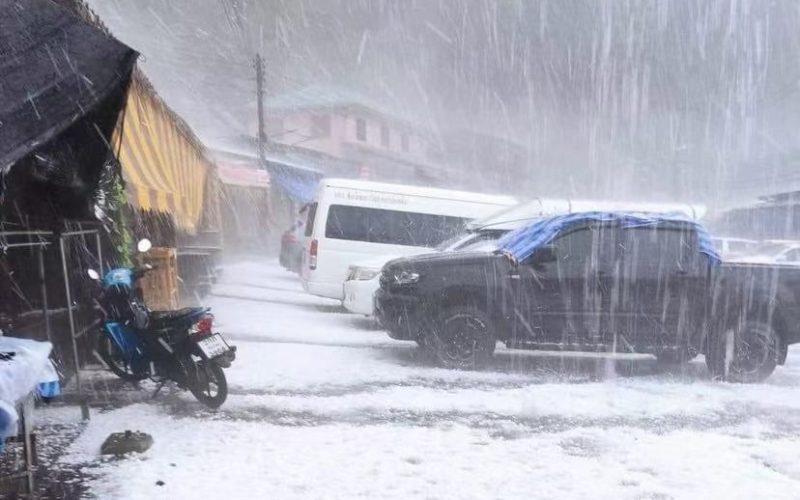
Thunderstorm and hail safety is becoming increasingly important as severe convective weather events grow more frequent around the world. Thunderstorms and hailstorms are among the most dangerous forms of extreme weather. Within minutes, violent lightning, powerful winds, torrential rain, and falling hail can create life-threatening situations. Every year, these storms cause injuries, fires, power outages, vehicle accidents, and major property damage.Because severe weather often develops suddenly, understanding proper thunderstorm and hail safety procedures is essential for both everyday life and emergency preparedness. Whether you are at home, driving, hiking outdoors, or traveling, knowing how to respond quickly can significantly reduce…
Read More
Typhoon Emergency Safety: How to Protect Your Family During Severe Storms

Typhoon Emergency Safety: How to Protect Your Family During Severe Storms

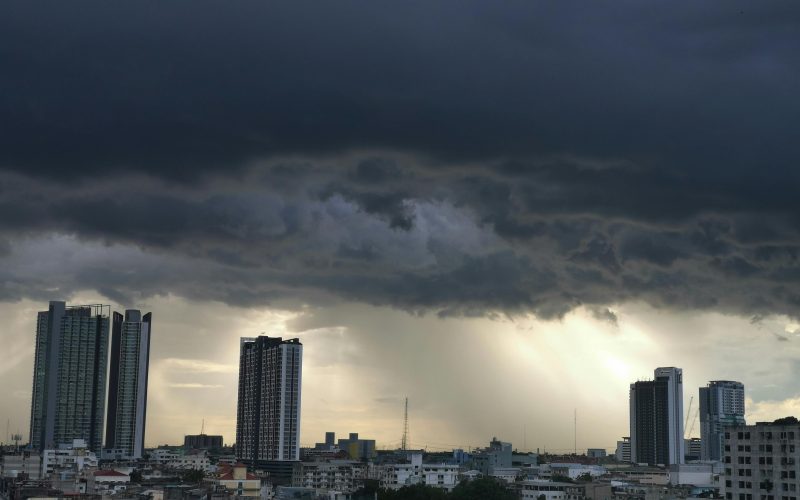
Why Typhoon Safety Matters Typhoon are among the most destructive natural disasters in many coastal and inland regions. Strong winds, torrential rain, flooding, and storm surges can destroy homes, knock down trees, damage power lines, and threaten lives within hours.A strong typhoon can also cause landslides, urban flooding, and seawater intrusion. Because of these risks, learning proper typhoon safety procedures is essential for every family.This typhoon safety guide explains how to prepare before a storm arrives, how to stay safe during landfall, and what to do after the danger passes. Before the Typhoon: Early Preparation Saves Lives Follow Weather Forecasts…
Read More
Landslide Mudflow Safety: Don’t Make These Fatal Mistakes

Landslide Mudflow Safety: Don’t Make These Fatal Mistakes

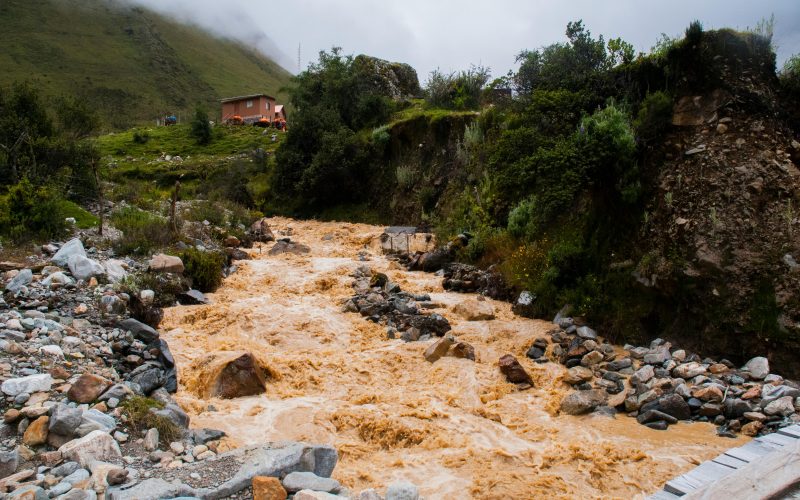
Landslide mudflow safety is essential knowledge for anyone living in or traveling through mountainous or hillside regions. These natural disasters often happen after heavy rain and can strike suddenly with little or no warning.Landslides and mudflows are extremely dangerous because they move fast, carry heavy debris, and can destroy roads, houses, and entire communities in minutes. Escape time is often very short, which makes awareness and preparation critical.This guide explains how to recognize early warning signs, how to evacuate safely, and how to survive if you are caught in a disaster. What Is Landslide Mudflow Safety? Landslide mudflow safety refers…
Read More
Flood Emergency Evacuation: A Simple Guide to Staying Safe

Flood Emergency Evacuation: A Simple Guide to Staying Safe

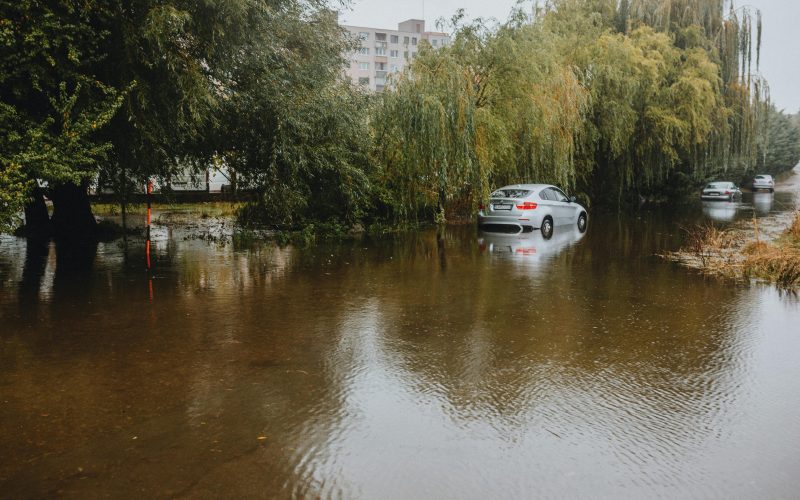
Why Flood Emergency Evacuation Matters Floods can develop very quickly. In some cases, there is almost no warning. Heavy rain, river overflow, dam failure, and flash floods can all turn calm areas into dangerous zones within minutes.This is why flood emergency evacuation is a critical life skill. It is not just about escaping water. It is about reacting early, staying calm, and choosing safe actions under pressure.Floodwater moves fast and carries hidden dangers. These include electrical hazards, unstable buildings, and strong currents. Many injuries happen not because people cannot escape, but because they leave too late or choose unsafe routes.This…
Read More
Earthquake Emergency Safety: A Simple Guide That Can Save Your Life

Earthquake Emergency Safety: A Simple Guide That Can Save Your Life

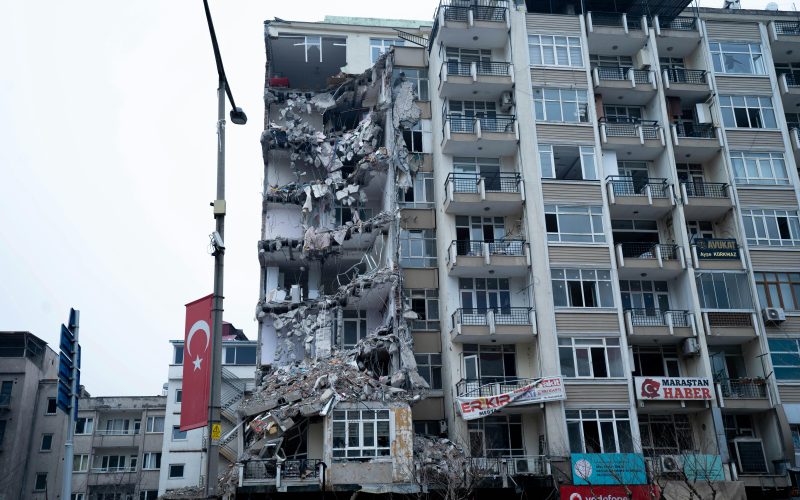
Earthquake emergency safety is something everyone should understand. Earthquakes happen fast. They often come with no warning. In just a few seconds, they can damage buildings and cause serious injuries.Many people get hurt because they panic. Others do not know what to do. That is why earthquake emergency safety matters so much. When you know the right steps, you can act quickly and avoid danger.The goal is simple: stay calm, stay safe, and make smart choices. The First Seconds: Stay Calm and Think Clearly When the ground starts to shake, your first reaction is critical.Do not run blindly. Do not…
Read More
8 Universal Emergency Rules That Could Save Your Life

8 Universal Emergency Rules That Could Save Your Life

Universal emergency rules are essential for staying safe in any crisis. In the United States, emergencies can happen at any time, including fires, car accidents, medical emergencies, and sudden disasters.Learning these rules helps you stay calm, make better decisions, and take the right actions during any 911 emergency situation. Photo by Maxence Commun on Unsplash 1. Universal Emergency Rules: Life Always Comes First In any emergency, human life is always the top priority.Do not risk your safety for personal belongings such as phones, money, or documents.If the situation is dangerous:Leave immediatelyDo not return for propertyStay in a safe areaThis is…
Read More