

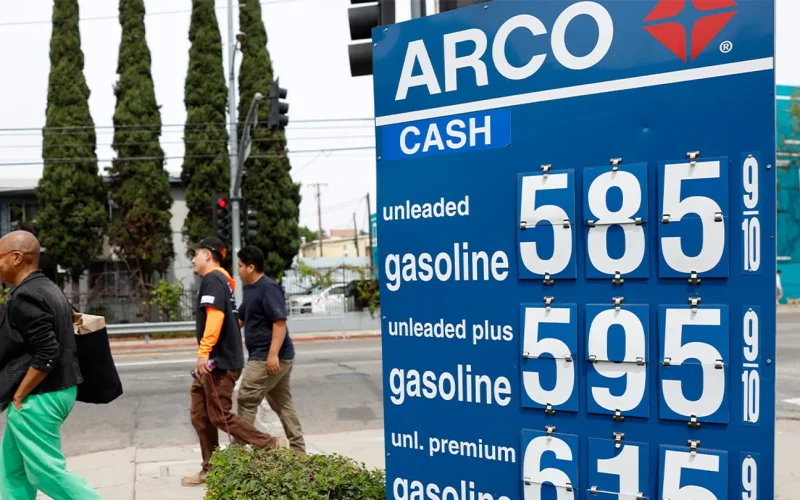
Gasoline prices are rising rapidly, leaving many households struggling to manage higher fuel expenses.
Rising fuel costs affect everything from daily commuting to grocery delivery, putting pressure on budgets that are already stretched by inflation.
While global market trends and geopolitical tensions are driving these increases, the impact is felt most directly by consumers, influencing how they spend and plan for the future.
Understanding these dynamics can help individuals and families adapt to changing energy costs effectively.
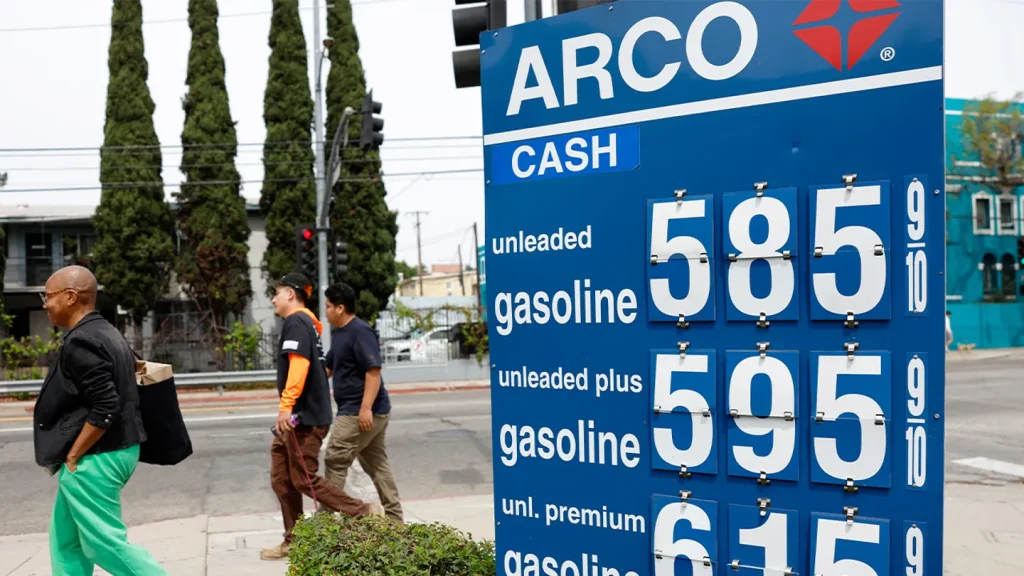
The Consumer Impact of Higher Gasoline Prices
Household Budgets Under Pressure
For many families, the spike in gasoline prices has created a ripple effect throughout household finances. Spending more on fuel means less money is available for groceries, housing, healthcare, and other essential expenses.
Commuters who drive daily to work or school are particularly affected, as transportation costs can quickly accumulate. Even short trips add up over a month, increasing financial stress.
Beyond personal budgets, higher gasoline costs also raise the price of goods and services, since shipping and delivery expenses increase. This contributes to inflation and affects consumer purchasing decisions.
Inflation and Daily Life
Rising fuel prices amplify price increases across multiple sectors. Even small increases can alter consumer behavior, influencing decisions about where to shop, how far to travel, and whether to delay nonessential purchases.
Persistent higher energy costs can shift spending patterns, reduce discretionary income, and leave many households feeling financially squeezed. Over time, this can also affect long-term savings and retirement planning.
Oil Market Trends Behind the Surge in Gasoline Prices
Oil Market Dynamics
The recent rise in gasoline prices is closely linked to fluctuations in global oil markets. Crude oil prices respond to multiple factors:
- Production levels in major oil-producing countries
- Geopolitical tensions
- Supply chain disruptions
Any event that raises uncertainty about oil availability, such as conflicts in key shipping regions or production constraints, tends to push prices higher.
Geopolitical Tensions
Regions critical to global oil transportation, such as the Strait of Hormuz, are particularly sensitive to international tensions. Even the possibility of shipping lane disruptions can trigger immediate increases in crude oil prices, which translate into higher gasoline costs for consumers.
Traders often react swiftly to geopolitical developments, creating price volatility, even when the physical supply is not yet directly affected.
Policy Measures and Industry Response
Governments and industry leaders often implement policies to mitigate sudden spikes in gasoline prices, though effectiveness varies. Some measures include:
- Releasing strategic reserves
- Adjusting fuel standards
- Waiving shipping restrictions temporarily
While these provide short-term relief, they cannot fully counteract market-driven pressures.
Long-term solutions include:
- Boosting domestic production
- Investing in alternative energy
- Diversifying supply sources to reduce reliance on unstable regions
These strategies aim to ensure energy stability and protect consumers from persistent price volatility.
How Consumers Can Adapt
Although individuals cannot control global fuel markets, practical steps can help reduce the impact of rising gasoline prices:
- Plan trips efficiently and consolidate errands to reduce unnecessary driving
- Carpool, use public transportation, or consider ridesharing
- Maintain vehicles properly to optimize fuel efficiency
- Adjust household budgets to account for temporary energy cost increases
Additional strategies include:
- Monitoring fuel prices regularly using apps or local resources
- Considering fuel-efficient or electric vehicles for long-term savings
- Exploring remote work or flexible schedules to reduce commuting costs
Implementing these strategies allows households to navigate periods of price volatility more effectively while maintaining financial stability.
Long-Term Implications
Persistent higher gasoline prices have effects beyond immediate budgets:
- Influence consumer confidence
- Affect spending in other sectors
- Become a political issue
Policymakers must balance short-term relief with long-term strategies for energy affordability. Understanding these dynamics allows consumers to make informed decisions and prepare for future fuel fluctuations.
Rising gasoline prices affect daily life, household finances, and economic confidence. While global oil market dynamics and geopolitical tensions play a major role, individual strategies and policy measures can mitigate some effects.
By staying informed and adapting to changing fuel costs, consumers can navigate periods of volatility more effectively, while policymakers work toward stable, long-term energy solutions.
Rising gasoline prices are more than just a cost at the pump—they have wide-ranging effects on household finances, consumer behavior, and the economy.
By understanding market dynamics, geopolitical risks, and policy responses, consumers can take proactive steps to adapt, save, and plan for the future.
Combining practical strategies with informed decision-making allows households to weather energy price fluctuations while maintaining financial stability and long-term security.
You may also read:Global Oil Crisis & the EV Market: Opportunities and Risks