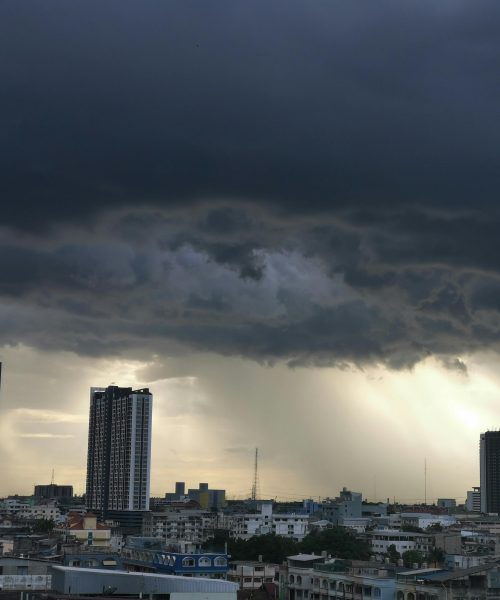

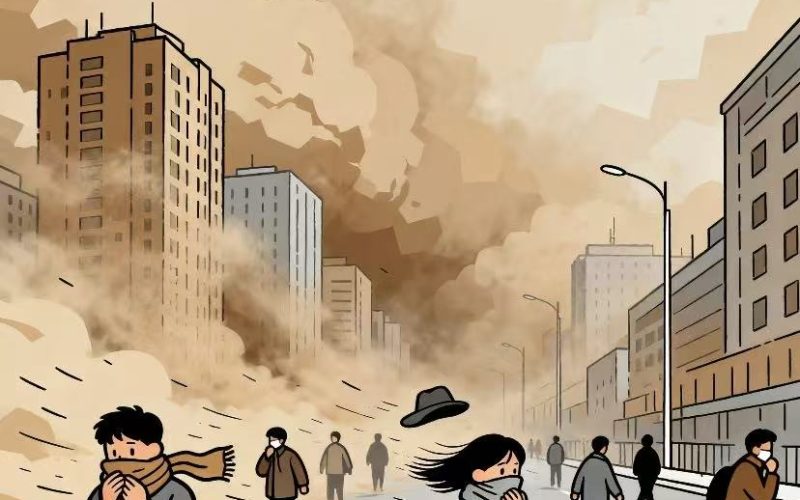
Dust storm are a common extreme weather phenomenon in northern arid and semi-arid regions. They occur when strong winds lift and carry large amounts of sand and dust, sweeping across cities and rural areas. These storms can drastically reduce visibility and severely degrade air quality, posing significant threats to human health and daily life.
During dust storms, people are at increased risk of respiratory illnesses, eye injuries, traffic accidents, and injuries caused by falling debris. Therefore, understanding how to recognize early warnings, practice outdoor safety, protect the home, and manage post-storm cleanup is essential for personal safety.
Early Warnings and Home Protection
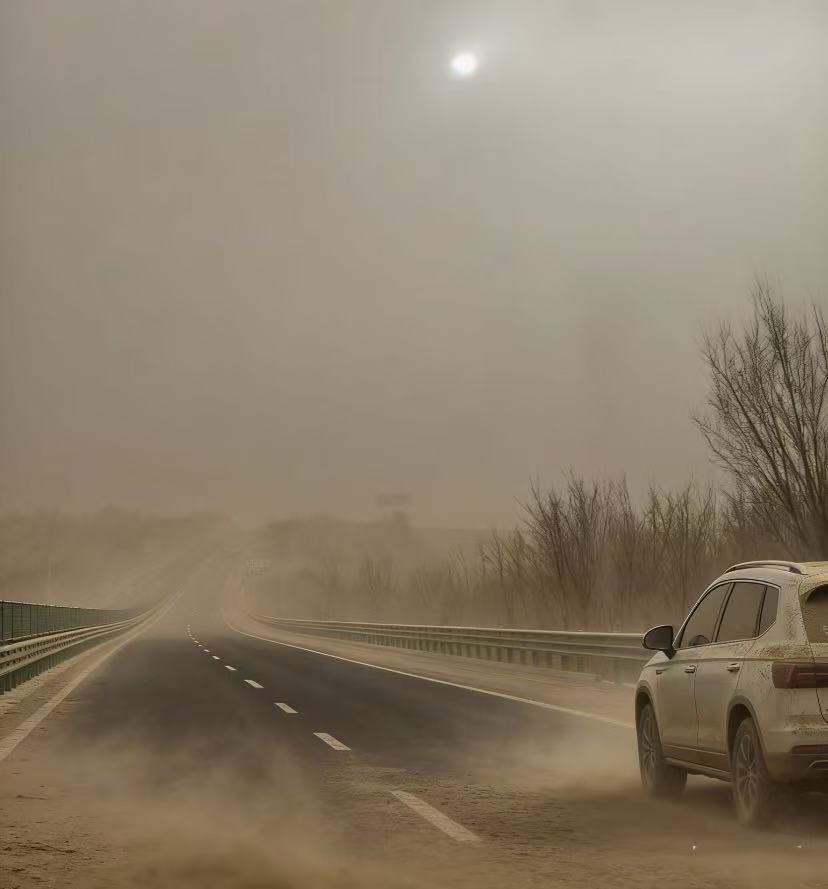
When a blue or yellow dust storm warning is issued, immediate measures should be taken to protect yourself and your family.
1. Minimize Outdoor Activities
Elderly individuals, children, and those with asthma or chronic respiratory conditions should stay indoors whenever possible. Reducing exposure to dust significantly lowers the risk of health complications.
2. Seal Windows and Doors
Use wet towels or cloth strips to block gaps around windows and doors to prevent dust from entering the home. Proper sealing can maintain cleaner indoor air during a storm.
3. Improve Indoor Air Quality
If available, turn on air purifiers to reduce airborne particles indoors. This is especially important for sensitive groups, as dust can irritate the respiratory tract and worsen existing conditions.
4. Prepare Emergency Supplies
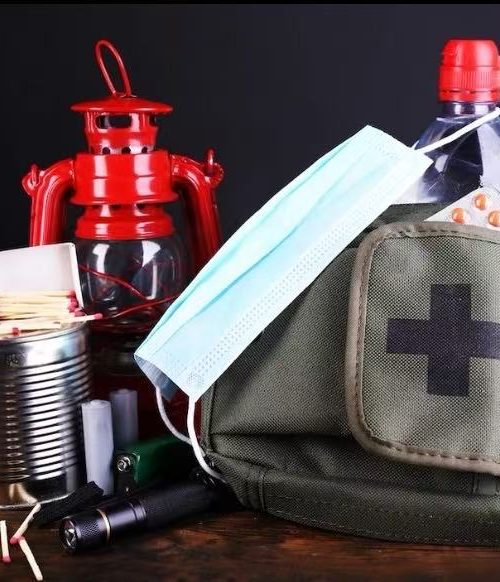
Keep dust masks, protective goggles, drinking water, medications, and flashlights ready. Having essential items on hand ensures you can respond safely if the storm intensifies.
Outdoor Safety During a Dust Storm
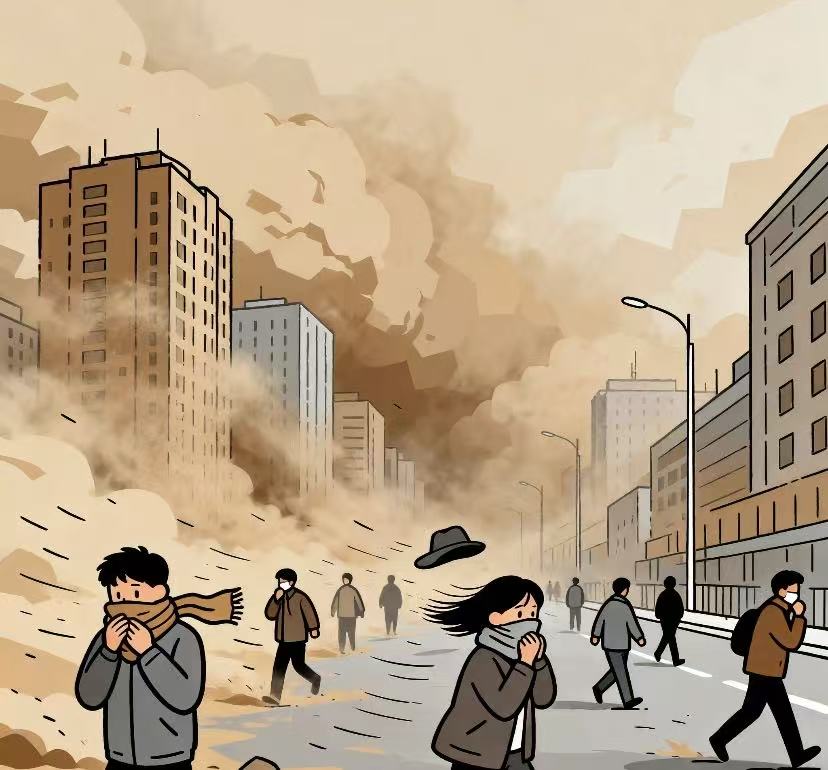
If you are caught outside when a dust storm occurs, immediate protective actions are critical for safety.
1. Wear Protective Gear
Always carry a dust mask and windproof goggles to shield your mouth, nose, and eyes from airborne particles.
2. Move Cautiously
Bend forward slightly and keep low while moving with the wind. Walking slowly reduces the impact of strong gusts and flying debris.
3. Avoid Dangerous Areas
Stay away from tall buildings, old fences, large billboards, dead trees, and unstable walls, as these areas are prone to debris hazards during high winds.
4. Safety for Cyclists and Riders
If riding a bicycle or electric scooter, dismount immediately and push your vehicle toward the nearest shelter such as a shop or residential building. Avoid forcing your way through the storm.
5. Vehicle Safety
If driving, turn on low beams, fog lights, and marker lights. Maintain a safe distance from other vehicles, drive at low speed, and avoid sudden lane changes or overtaking. Never use high beams, as reflected light can worsen visibility.
6. Pull Over When Necessary
If visibility drops too low to continue driving safely, turn on hazard lights, pull over to a safe location, and remain inside the vehicle until the storm subsides. Attempting to drive through severe dust storms can result in collisions or serious injury.
Post-Storm Safety Measures
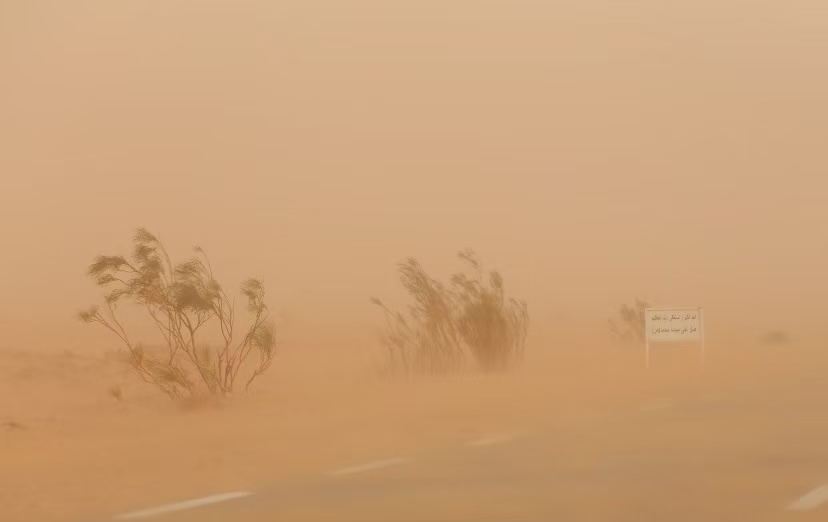
After the dust storm has passed, proper cleanup and recovery are important for health and safety.
1. Clean Yourself and Your Clothes
Wash your face, nose, eyes, and any exposed skin. Change your outdoor clothing to minimize the inhalation of residual dust.
2. Proper Indoor Ventilation
Do not open windows immediately after the storm. Wait until wind conditions have calmed and dust has settled before ventilating your home.
3. Clean Indoor Surfaces
Sweep and wipe surfaces, furniture, and floors to remove dust accumulation. Maintaining a clean environment reduces potential respiratory irritation.
4. Monitor Your Health
People with sensitive respiratory systems should continue limiting outdoor activities and wear protective masks when necessary to prevent conditions like asthma, bronchitis, or throat inflammation.
5. Inspect Outdoor Structures
Check outdoor structures such as billboards, fences, trees, and walls for looseness or instability. Reinforce or repair as needed to prevent secondary injuries caused by falling debris.
Cultivating Routine Dust Storm Safety Awareness
Developing long-term habits for dust storm preparedness significantly reduces health and safety risks during windy and sandy weather.
- Regularly monitor weather forecasts and early warning alerts.
- Keep essential protective supplies, including masks, goggles, and emergency medications.
- Check the sealing of doors and windows as well as the stability of outdoor structures regularly.
- Educate family members, especially children, on safe dust storm practices.
By consistently practicing these measures, you can protect yourself and your family from the hazards of dust storms, respond calmly during emergencies, and maintain both health and safety in high-risk regions.