
Landslide mudflow safety is essential knowledge for anyone living in or traveling through mountainous or hillside regions. These natural disasters often happen after heavy rain and can strike suddenly with little or no warning.
Landslides and mudflows are extremely dangerous because they move fast, carry heavy debris, and can destroy roads, houses, and entire communities in minutes. Escape time is often very short, which makes awareness and preparation critical.
This guide explains how to recognize early warning signs, how to evacuate safely, and how to survive if you are caught in a disaster.
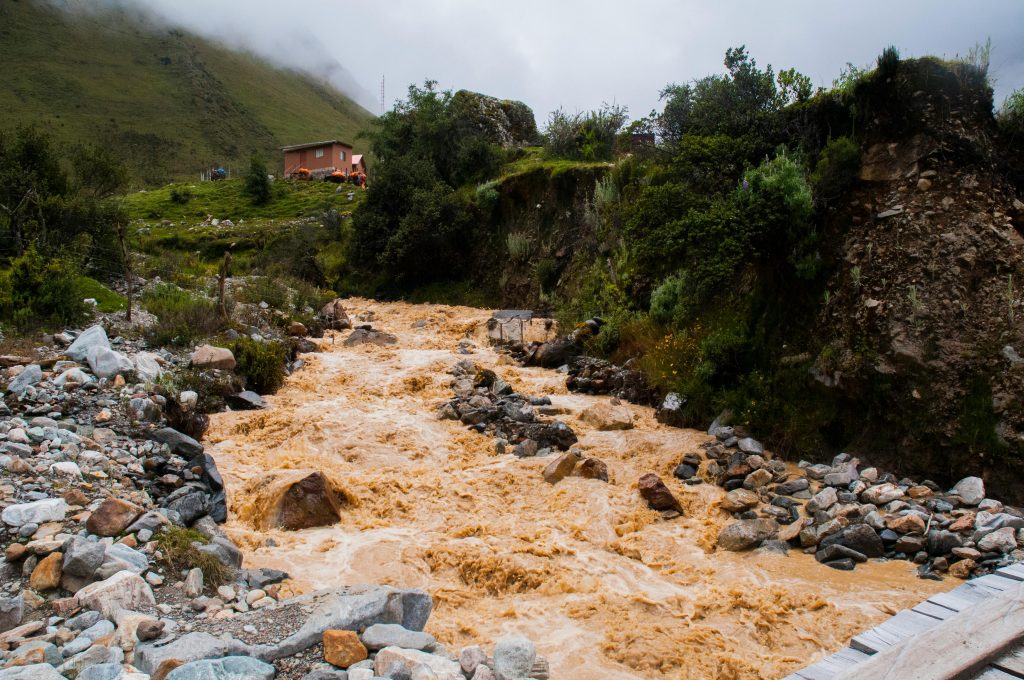
What Is Landslide Mudflow Safety?
Landslide mudflow safety refers to the actions, awareness, and survival techniques used to protect yourself during slope collapse and fast-moving debris flows.
These disasters usually occur when soil becomes unstable due to heavy rainfall or geological changes. Once triggered, gravity causes large amounts of earth, rocks, and water to move downhill rapidly.
Understanding safety procedures can greatly reduce risk and save lives.
Where Landslides and Mudflows Commonly Occur
High-risk areas include:
- Mountain valleys and steep slopes
- Riverbanks and drainage channels
- Areas with loose or saturated soil
- Roads built along cliffs or hillsides
Risk increases during:
- Continuous heavy rainfall
- Storm seasons
- Earthquake-affected mountain regions
Avoiding these zones during bad weather is the first rule of landslide mudflow safety.
Early Warning Signs You Must Recognize
Recognizing warning signs early is one of the most important parts of landslide mudflow safety.
Watch for:
- Cracks appearing in the ground or hillside
- Small rocks or soil falling frequently
- Sudden ground softening or water leakage
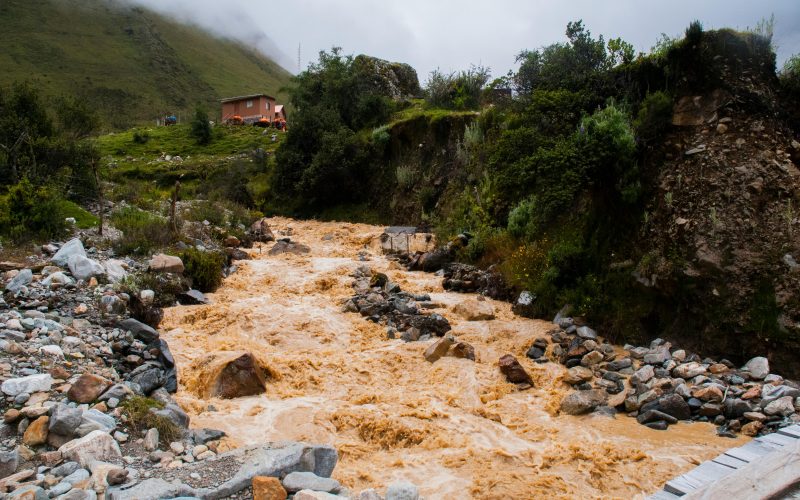
- Rivers turning muddy or rising quickly
- Sudden drop or change in river flow
If any of these signs appear, evacuate immediately.
What to Do During a Mudflow
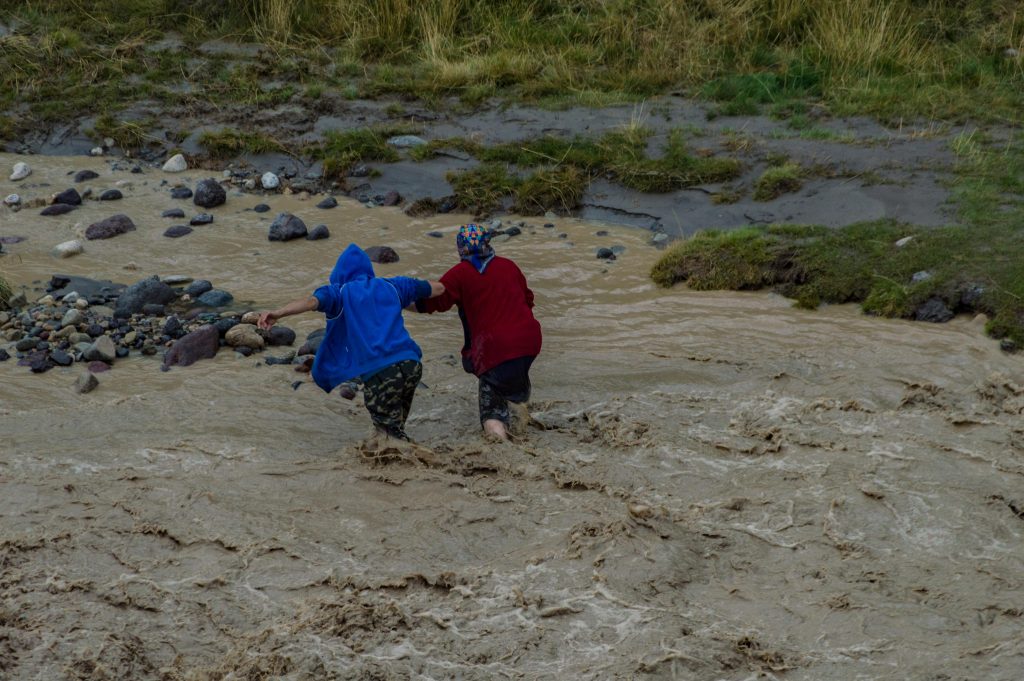
If a mudflow occurs while you are outdoors, quick action is critical.
❌ Avoid These Mistakes:
- Do not run downhill with the flow
- Do not stay in valleys or low ground
- Do not hide behind trees or rocks
✔ Correct Action:
Move perpendicular to the flow direction.
- Run toward higher ground
- Move to stable slopes
- Avoid river channels and narrow valleys
- Stay away from low vegetation areas
Speed and direction matter more than anything else in landslide mudflow safety.
How to Respond to a Landslide
If a landslide occurs near you:
Step 1: Escape Immediately
Move away from:
- Loose soil areas
- Unstable cliffs
- Rockfall zones
Step 2: If Escape Is Impossible
- Hold onto a strong object like a tree
- Curl your body to protect your head
- Stay as stable as possible
- Reduce exposure to falling debris
These actions can reduce injury severity.
Survival If You Are Buried
If you are buried by mud or debris:
- Clear your mouth and nose first
- Try to create a small air space
- Stay still to conserve energy
- Do not shout continuously
The key to survival is air, calmness, and energy control.
Why Calmness Is Critical
Panic reduces survival chances.
Staying calm helps you:
- Think clearly
- Make faster decisions
- Save energy
- Improve chances of rescue
Mental control is a core part of landslide mudflow safety.
After the Disaster: Secondary Risks
Even after rainfall stops, danger continues.
Secondary landslides may occur due to:
- Weak soil structure
- Saturated ground
- Unstable slopes
Safety rules:
- Avoid returning immediately
- Stay away from affected zones
- Follow official instructions
Never assume the danger has passed.
Prevention and Preparation Tips
Good preparation reduces risk significantly.
- Learn local terrain and escape routes
- Monitor weather warnings regularly
- Avoid camping near rivers or slopes during rain
- Participate in emergency drills
- Report unusual ground changes
Preparedness is a major part of landslide mudflow safety.
Key Survival Rules (Quick Summary)
- Move sideways, not downhill
- Always escape to higher ground
- Watch for warning signs early
- Never ignore unusual slope changes
- Stay calm if trapped
Landslides and mudflows are sudden and highly destructive natural disasters, but survival is possible with the right knowledge.
Understanding landslide mudflow safety helps you react quickly, choose the right escape direction, and avoid fatal mistakes.
Awareness, preparation, and calm decision-making are the most powerful tools for survival in mountain disaster environments.