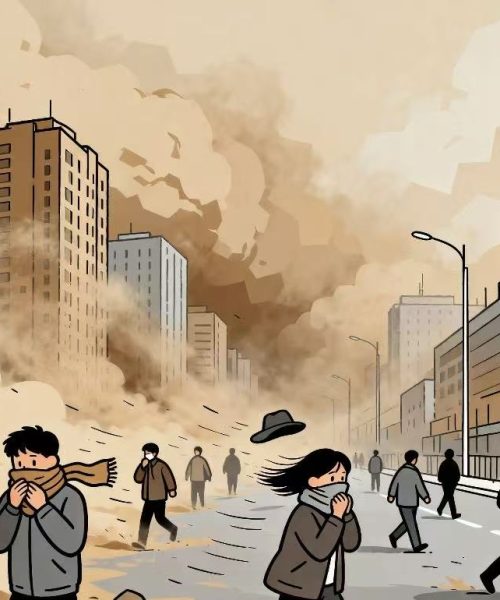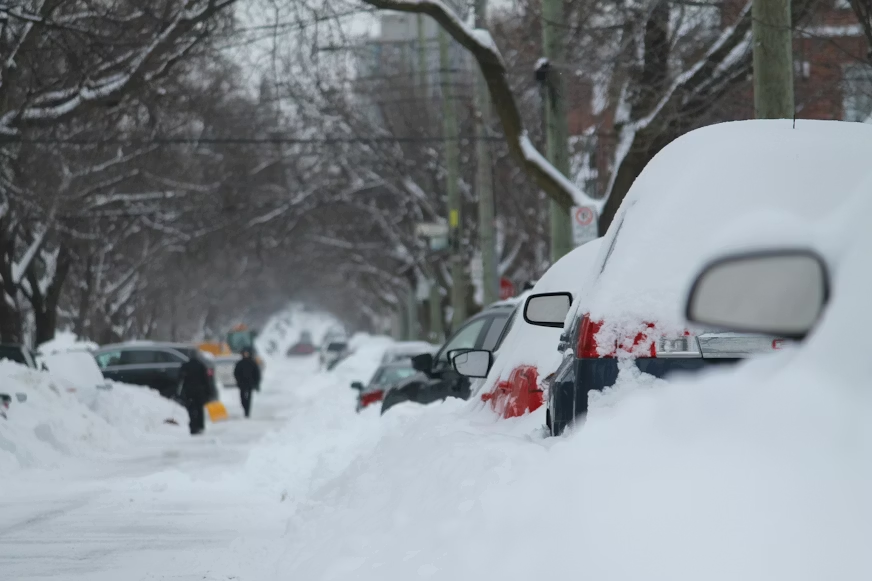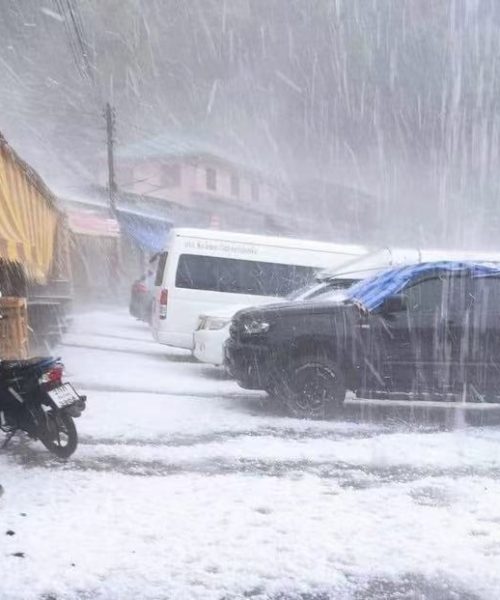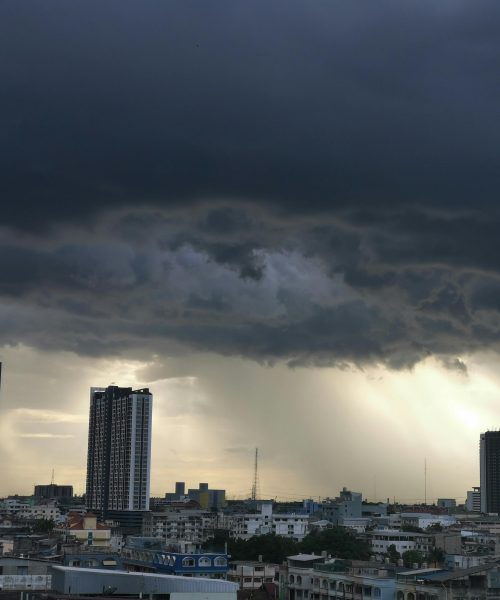

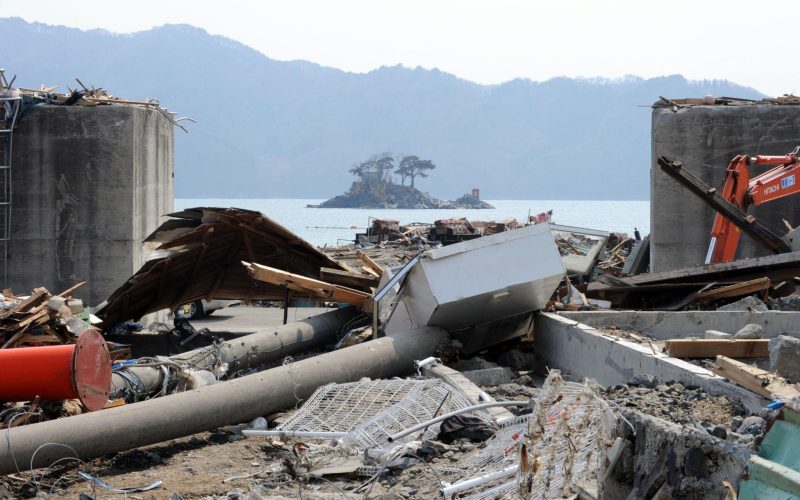
Natural disasters are powerful reminders of how dynamic and unpredictable our planet can be. From raging wildfires to devastating earthquakes, these events reshape landscapes, disrupt communities, and challenge human resilience. In recent years, discussions around natural disasters have become more urgent, especially as the frequency and intensity of certain events appear to be increasing. Understanding what natural disasters are, why they occur, and how we can respond is essential in today’s world.
What Are Natural Disasters?
Natural disasters are extreme environmental events that cause significant damage to life, property, and ecosystems. They occur due to natural processes of the Earth but can be worsened by human activity.
Common types of natural disasters include:
- Earthquakes
- Hurricanes and typhoons
- Floods
- Wildfires
- Volcanic eruptions
- Droughts
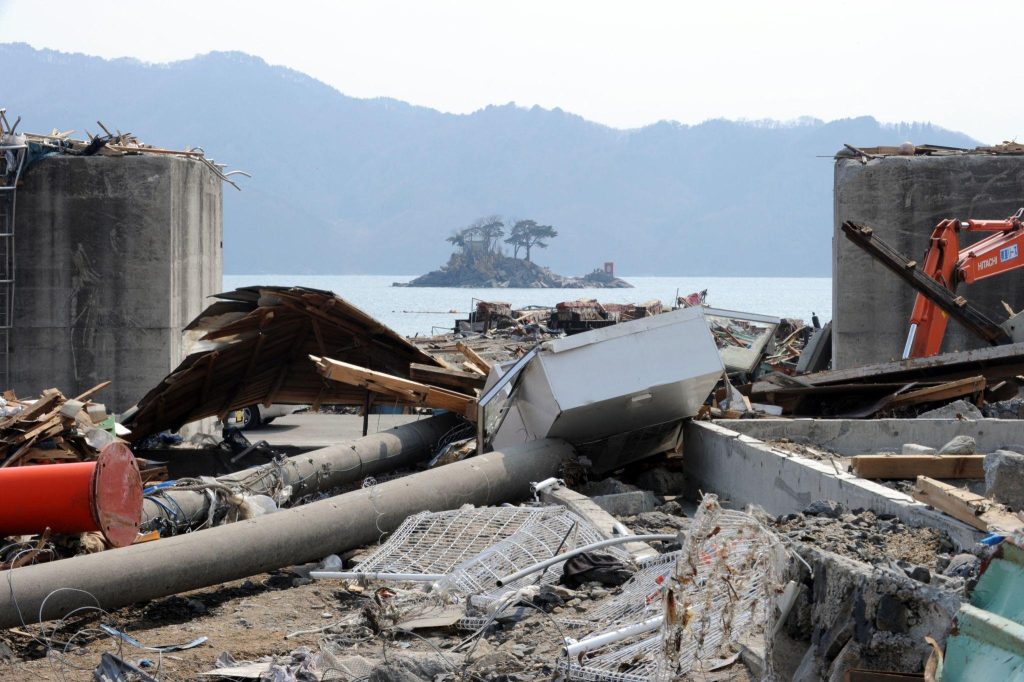
For example, the 2011 Tōhoku Earthquake and Tsunami demonstrated how a single event can trigger multiple disasters, leading to massive destruction and long-term consequences.
Why Do Natural Disasters Occur?
Natural disasters are often caused by natural forces such as tectonic movements, atmospheric changes, and ocean currents. However, human activity plays a growing role in amplifying their effects.
1. Geological Forces
Earthquakes and volcanic eruptions occur due to movements within the Earth’s crust. These processes are part of the planet’s natural cycle but can have catastrophic consequences when they impact populated areas.
2. Weather and Climate Systems
Storms, hurricanes, and floods are driven by atmospheric conditions. Warmer ocean temperatures can intensify storms, making them more destructive.
A notable example is Hurricane Katrina, which caused widespread devastation in the United States and highlighted the vulnerability of coastal cities.
3. Human Influence
Deforestation, urbanization, and climate change increase the likelihood and severity of certain disasters. Rising global temperatures contribute to more frequent heatwaves, droughts, and wildfires.
The Impact of Natural Disasters
The consequences of natural disasters go far beyond immediate destruction. Their effects can be long-lasting and deeply complex.
Human Impact
- Loss of life and injuries
- Displacement of communities
- Mental health challenges
Economic Impact
Natural disasters can cause billions of dollars in damage. Infrastructure, homes, and businesses often take years to rebuild.
Environmental Impact
Disasters can alter ecosystems, destroy habitats, and lead to long-term environmental degradation.
For instance, wildfires in regions like California have not only destroyed homes but also significantly impacted air quality and wildlife.
Can Natural Disasters Be Predicted?
While it is impossible to completely prevent natural disasters, modern science has made significant progress in predicting and preparing for them.
- Earthquake monitoring systems can detect early seismic activity
- Weather forecasting technology can track storms days in advance
- Satellite imagery helps monitor environmental changes
Organizations like National Oceanic and Atmospheric Administration play a crucial role in providing early warnings and data to help reduce risks.
How Can We Prepare?
Preparedness is one of the most effective ways to reduce the impact of natural disasters.
Individual Preparedness
- Create an emergency kit (food, water, first aid)
- Develop an evacuation plan
- Stay informed through reliable sources
Community Efforts
- Building disaster-resistant infrastructure
- Conducting emergency drills
- Raising public awareness
Global Cooperation
International collaboration is essential for disaster response and recovery. Countries often provide aid and resources to those affected by major disasters.
The Role of Climate Change
Climate change is increasingly linked to the rise in certain types of natural disasters. While not all disasters are caused by climate change, many are becoming more severe due to shifting environmental conditions.
For example:
- Stronger hurricanes
- More intense heatwaves
- Increased frequency of wildfires
Addressing climate change is therefore a critical step in reducing future disaster risks.
Natural disasters are an unavoidable part of life on Earth, but their impact can be managed through knowledge, preparation, and cooperation. As the world continues to change, understanding natural disasters becomes more important than ever. By learning from past events, investing in science and infrastructure, and taking proactive measures, we can build a more resilient future.