

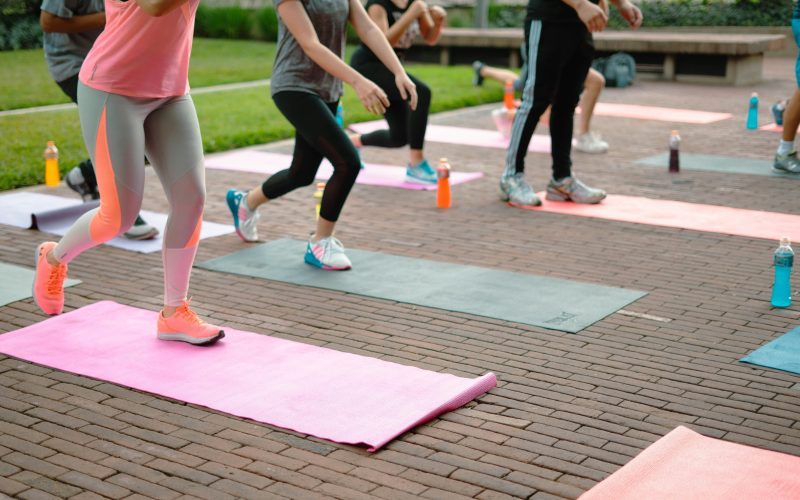
Regular exercising is one of the most effective ways to improve overall health and well-being. In modern life, many people spend long hours sitting at desks or using digital devices, which leads to low activity levels and various health risks.
Staying physically active through exercising helps improve strength, mental clarity, energy levels, and long-term health. It is not only about losing weight or building muscles, but about creating a balanced and sustainable lifestyle that supports both the body and mind.
In addition, consistent exercising helps people feel more energetic in daily life, improves productivity, and reduces the negative effects of stress caused by modern lifestyles.
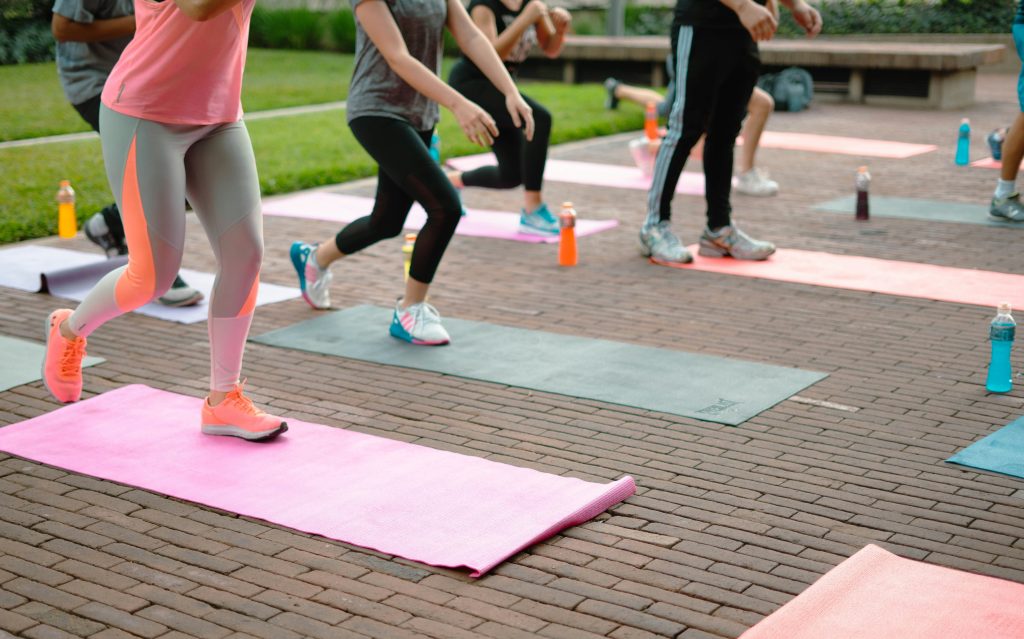
Physical Health Benefits of Regular Exercise
One of the biggest advantages of staying active is improved physical health.
First, it strengthens the cardiovascular system. Activities such as jogging, swimming, cycling, and brisk walking improve heart function and blood circulation, reducing the risk of heart-related diseases.
Second, regular movement supports muscle and bone strength. Resistance training and bodyweight workouts help increase muscle mass and improve bone density, which becomes more important with age. Strong bones and muscles also reduce the risk of injuries in daily life.
Third, staying active improves metabolism. A more efficient body burns energy better, helping to maintain a healthy weight and reduce obesity risk. It also helps regulate blood sugar levels and supports overall metabolic health.
Finally, regular movement improves flexibility, coordination, and balance, making daily activities easier and safer.
Mental and Emotional Benefits of Fitness Activity
Physical activity also has a powerful impact on mental health.
When you move your body, the brain releases endorphins, which help improve mood and reduce stress levels. This natural chemical response creates feelings of relaxation, happiness, and emotional stability.
Staying active can also reduce anxiety and symptoms of depression by balancing stress hormones in the body. Many mental health experts recommend regular physical activity as a natural way to support emotional well-being.
In addition, regular workouts improve sleep quality. Better sleep helps improve focus, memory, and productivity throughout the day.
Many people also notice increased confidence and self-esteem as their fitness level improves, which positively affects daily life and social interaction.
Different Types of Workouts You Can Try
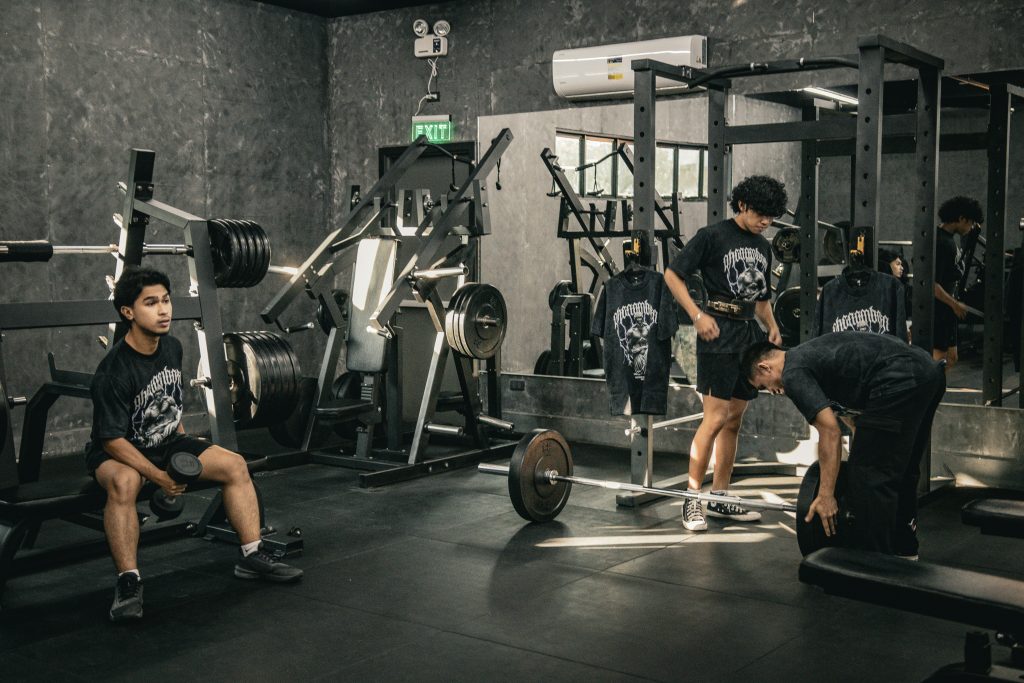
There are many ways to stay active, and each type of workout offers unique benefits.
1. Aerobic Activities
Running, swimming, dancing, and cycling help improve endurance and heart health.
2. Strength Training
Weightlifting, push-ups, squats, and resistance training help build muscle strength and body composition.
3. Flexibility Training
Yoga, stretching, and Pilates improve mobility, posture, and recovery.
4. Balance Training
These movements improve stability and coordination, helping prevent falls and injuries.
5. High-Intensity Interval Training (HIIT)
Short bursts of intense movement followed by rest help burn calories efficiently and improve fitness quickly.
How to Start a Fitness Routine as a Beginner
Starting a fitness journey does not need to be complicated.
Begin with simple activities like walking for 20–30 minutes a day. This allows your body to adapt gradually without strain. Over time, you can increase intensity and duration.
Set realistic goals instead of expecting fast changes. Small improvements such as increasing weekly activity or daily step counts are more sustainable.
Choose activities you enjoy. Whether it is dancing, hiking, swimming, or sports, enjoyment makes it easier to stay consistent.
Always listen to your body. Rest when needed to avoid fatigue or injury, as recovery is essential for progress.
The Role of Nutrition in Fitness Performance

Good nutrition is essential for supporting an active lifestyle.
Carbohydrates provide energy for movement, while protein helps repair and build muscles. Healthy fats support long-lasting energy and overall body function.
Hydration is equally important. Drinking enough water before, during, and after activity helps maintain performance and prevents dehydration.
A balanced diet ensures the body can recover properly, build strength, and maintain long-term health. Without proper nutrition, even regular exercise may not deliver optimal results.
Common Mistakes to Avoid
Many beginners make mistakes that slow progress or increase injury risk.
Overtraining without rest can lead to fatigue, burnout, and reduced performance. Rest days are essential for recovery.
Poor form during workouts can increase injury risk and reduce effectiveness. Learning proper technique is especially important for strength training.
Skipping warm-ups and cool-downs can lead to muscle strain and slower recovery.
Finally, expecting quick results often leads to frustration. Real progress takes time, patience, and consistency.
Building a Sustainable Fitness Habit
Consistency is the most important factor in long-term success.
Scheduling workouts like appointments helps make them part of your routine.
Mixing different types of workouts keeps training interesting and ensures balanced fitness development.
Tracking progress helps maintain motivation and shows improvement over time.
Most importantly, stay flexible and adjust your routine when needed instead of quitting completely.
Conclusion: A Lifelong Commitment to Health
Staying active is not a short-term goal but a lifelong habit that supports both physical and mental well-being.
Even small amounts of daily movement can create meaningful long-term results. Whether it is walking, gym training, or outdoor sports, the key is consistency.
A healthy lifestyle is built through steady habits, not extreme effort. Over time, regular activity leads to more energy, better mood, improved confidence, and a higher quality of life.
Ultimately, fitness is not just about exercise—it is about building a stronger, healthier, and more balanced life.
You may also read:Should You Do Fasted Cardio? The Truth About Fat Loss Results