
Blizzards are among the most dangerous winter hazards, bringing heavy snow, freezing temperatures, and strong winds that can disrupt daily life. From icy roads and blocked streets to frozen pipes and power outages, the effects of a blizzard can be widespread and severe. Understanding how to prepare for a blizzard, protect yourself during extreme conditions, and respond safely afterward is essential for keeping your family and property safe. This guide provides practical tips on blizzard safety, winter preparedness, and emergency response, helping you stay informed and ready for any icy challenge that winter may bring.
Winter Hazards and Risks of Blizzard
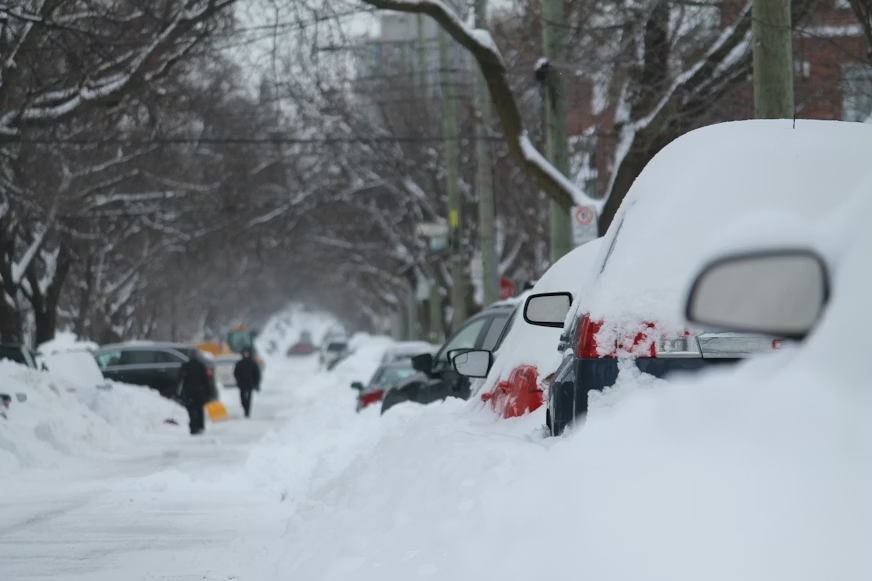
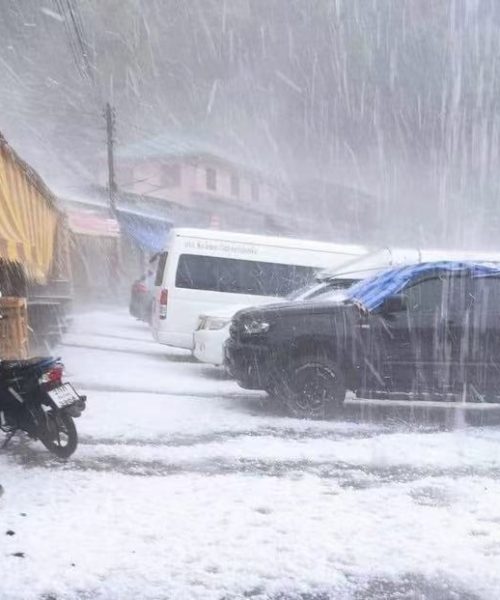
Winter brings unique challenges, especially in regions prone to blizzards, ice storms, and freezing temperatures. These harsh conditions can cause:
- Icy roads and blocked streets
- Roof collapses
- Frozen water pipes
- Power or heating interruptions
They also increase risks of slips, traffic accidents, frostbite, and even carbon monoxide poisoning. Effective preparation, careful behavior during storms, and proper post-storm actions are essential to stay safe.
Preparing for Winter Storms
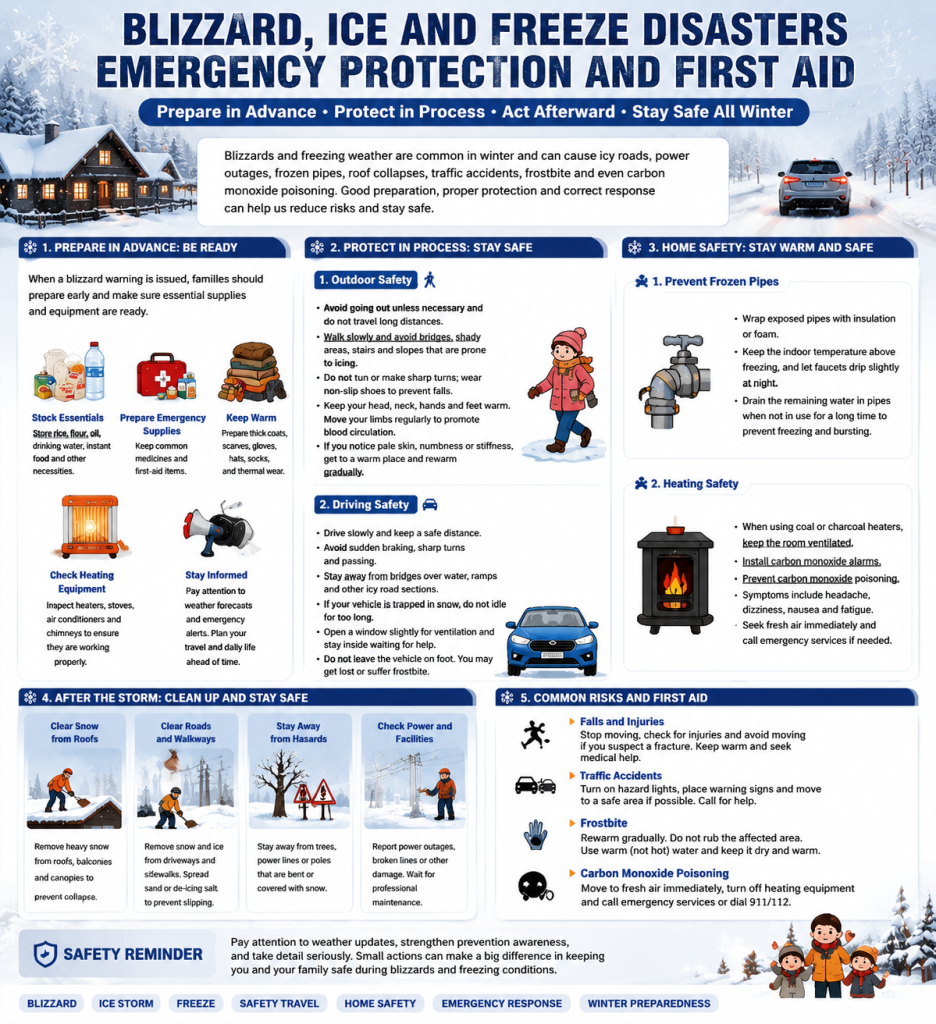
Once a blizzard or frost warning is issued, families should prepare in advance:
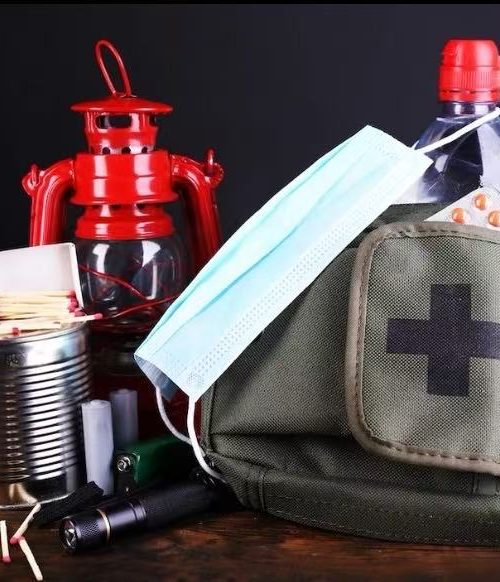
- Stock essential supplies: rice, flour, cooking oil, ready-to-eat meals, and drinking water
- Medical readiness: first-aid kits and necessary medicines
- Warm clothing: thick coats, scarves, gloves, and hats
- Heating check: ensure systems are functioning properly and repair if needed
Early preparation is the best defense against the potential risks of severe winter weather.
Safety Tips for Outdoor Activities
During a blizzard or icy conditions:
- Avoid unnecessary travel
- Walk carefully: slow steps, avoid bridges, shaded paths, and steep steps
- Prevent slips: do not run or turn sharply; wear anti-slip shoes or boots
If outdoors for long periods:
- Protect your head, neck, hands, and feet
- Move your limbs regularly to maintain blood circulation
- Watch for signs of frostbite: pale or numb skin, stiffness
- Warm gradually if frostbite occurs
Driving in Blizzard Conditions
Driving on icy roads requires caution:
- Reduce speed and maintain a safe distance
- Avoid sudden braking or sharp turns
- Avoid bridges, ramps, and areas prone to ice
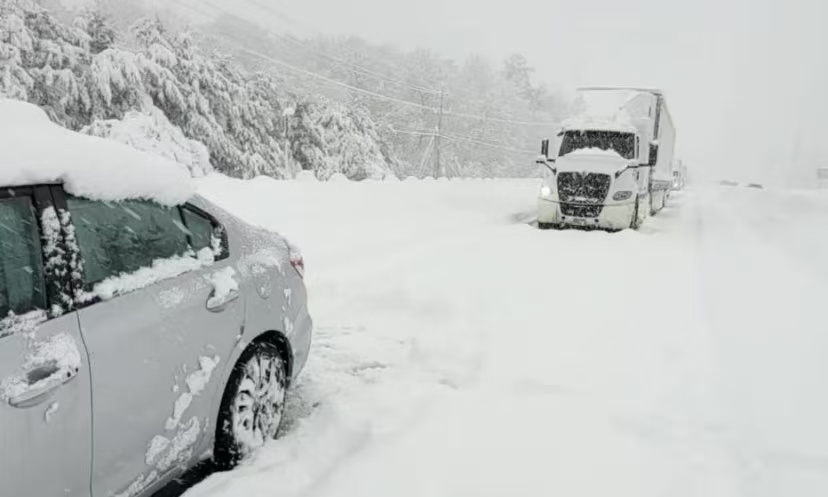
If your vehicle is trapped:
- Stay inside and stay warm
- Limit engine idling to conserve fuel
- Keep windows slightly open for ventilation
- Do not walk in deep snow; risk of getting lost or frostbite
Home Safety During Ice Storms
At home, take precautions:
- Insulate water pipes to prevent freezing
- Drain excess water at night to prevent bursts
- Ensure ventilation when using coal or charcoal heaters to prevent carbon monoxide
After the storm:
- Remove excessive snow from roofs, balconies, and temporary structures
- Clear sidewalks and entrances; use sand or de-icing materials
- Avoid fallen trees or downed power lines; wait for professional repairs
Knowledge and Awareness
Understanding blizzard and frost hazards is key. Educate your family about:
- Winter safety measures
- Emergency procedures
- How to respond to various winter scenarios
Attention to details—from clothing and heating to careful travel—can significantly reduce accidents and injuries.
By being prepared, cautious, and informed, families can navigate winter storms safely, protecting both life and property.