

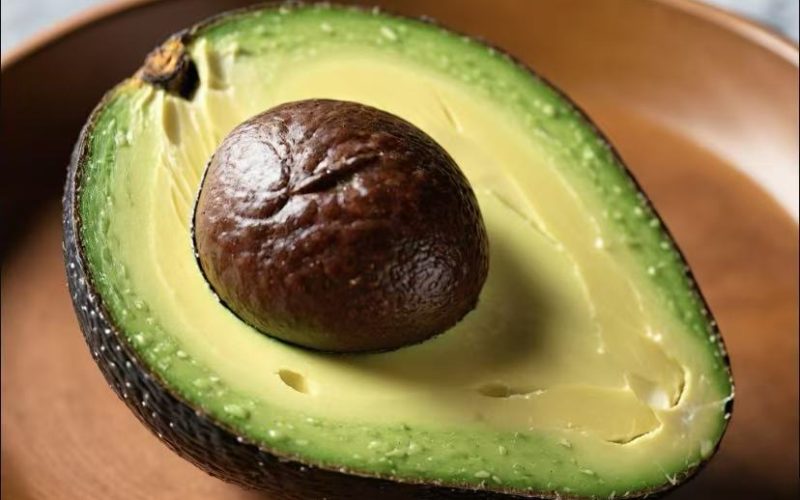
A Fruit That Changed Global Food Culture
Few foods have risen in global popularity as dramatically as the avocado. Once considered a niche fruit native to Central and South America, the Avocado is now a staple in kitchens across the world. From toast toppings in New York cafés to sushi rolls in Tokyo and salads in Mediterranean restaurants, avocados have become a symbol of healthy, modern eating.
What makes this fruit so special is not just its taste, but its unique nutritional profile, versatility, and cultural impact. In the last two decades, avocados have evolved from an exotic ingredient to a global superfood.
The Origins of Avocado: A Fruit With Ancient Roots
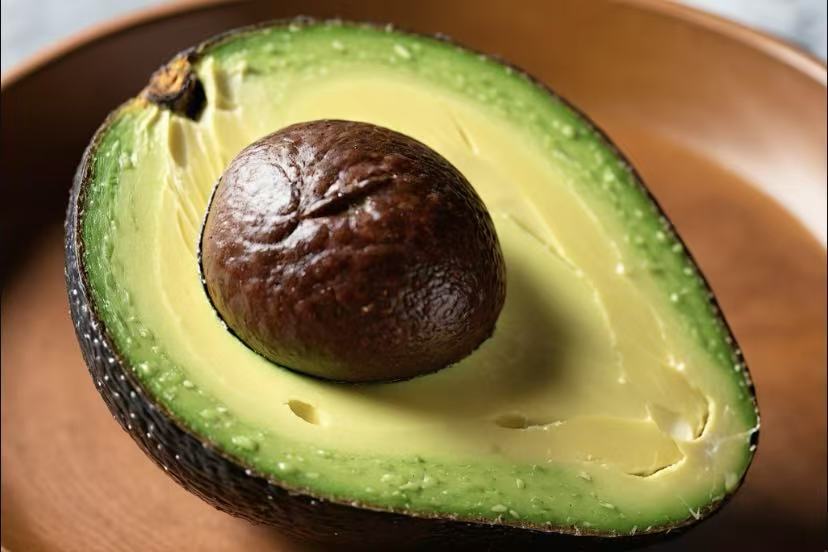
Avocados have been cultivated for thousands of years. Archaeological evidence suggests that they were first grown in regions that are now Mexico and parts of Central America as early as 5,000 to 7,000 years ago. Ancient civilizations, including the Aztecs and Mayans, valued avocados not only as food but also as symbols of fertility and vitality.
The word “avocado” itself comes from the Aztec word “āhuacatl,” which interestingly also had symbolic meanings related to fertility. Spanish explorers later introduced the fruit to Europe in the 16th century, but it remained relatively unknown globally for centuries.
It wasn’t until the late 20th century that avocados began gaining international popularity, driven by rising health awareness and globalization of food culture.
Nutritional Powerhouse: Why Avocados Are Considered a Superfood
One of the biggest reasons avocados have become so popular is their impressive nutritional composition. Unlike most fruits, which are primarily high in carbohydrates, avocados are rich in healthy fats—especially monounsaturated fats.
These fats are known to support heart health by helping reduce bad cholesterol levels while increasing good cholesterol. In addition, avocados contain a wide range of essential nutrients, including:
- Potassium (even more than bananas)
- Vitamin K
- Vitamin E
- Vitamin C
- B vitamins, including folate
They are also high in fiber, which supports digestion and helps maintain stable blood sugar levels.
Because of this combination of nutrients, avocados are often associated with improved cardiovascular health, better skin condition, and long-lasting energy.
Health Benefits: More Than Just Good Fats
The health benefits of avocados go beyond basic nutrition. Regular consumption has been linked to several positive effects on the body.
1. Heart Health Support
The monounsaturated fats in avocados may help reduce inflammation and improve blood lipid profiles, supporting overall cardiovascular health.
2. Weight Management
Despite being calorie-dense, avocados can actually support weight control. Their fiber and fat content promote satiety, helping people feel full for longer periods and reducing unnecessary snacking.
3. Skin and Hair Health
The vitamins and antioxidants in avocados contribute to healthier skin and stronger hair. Vitamin E, in particular, is known for its role in protecting skin cells from oxidative damage.
4. Digestive Health
With a high fiber content, avocados help support a healthy digestive system and promote regular bowel movements.
Culinary Versatility: From Breakfast to Dinner
One of the most appealing aspects of avocados is their versatility. Their mild, buttery flavor allows them to be used in both savory and sweet dishes.
Breakfast
Avocado toast has become a global breakfast trend. Mashed avocado on whole-grain bread, topped with salt, pepper, chili flakes, or poached eggs, is both nutritious and satisfying.
Lunch
In salads and sandwiches, avocados add creaminess without the need for heavy dressings or mayonnaise.
Dinner
They are commonly used in sushi rolls, grain bowls, and even blended into creamy pasta sauces.
Snacks and Dips
Guacamole is perhaps the most famous avocado-based dish. Made with mashed avocado, lime juice, salt, onions, and tomatoes, it is a staple in Mexican cuisine and a popular party snack worldwide.
Desserts
Interestingly, avocados can also be used in desserts like smoothies, mousses, and even ice cream, where their creamy texture enhances richness without overpowering sweetness.
The Other Side of Popularity
While avocados are praised for their health benefits, their global demand has raised environmental concerns. Large-scale avocado farming requires significant water resources, and in some regions, this has led to sustainability challenges.
In addition, transportation of avocados across long distances contributes to carbon emissions. As a result, there is growing interest in more sustainable farming practices and locally sourced production.
Consumers are increasingly encouraged to consider not just nutritional value but also environmental impact when choosing foods.
A Symbol of Modern Lifestyle
Avocados are more than just food—they have become a cultural icon. On social media platforms, especially Instagram and TikTok, avocado-based dishes are often associated with wellness, fitness, and modern lifestyle aesthetics.
The rise of avocado toast, in particular, has even sparked economic and cultural discussions about food trends and affordability. Despite the debates, there is no denying that avocados have firmly established themselves in global food culture.
A Simple Fruit With Global Influence
The journey of the avocado from ancient Mesoamerican orchards to modern global kitchens is a remarkable story of cultural exchange, nutrition, and changing lifestyles.
As a nutrient-rich, versatile, and widely loved food, the Avocado continues to shape how people eat and think about health.
Whether spread on toast, blended into smoothies, or enjoyed as guacamole, avocados represent more than just a trend—they reflect a growing global shift toward healthier and more conscious eating.