
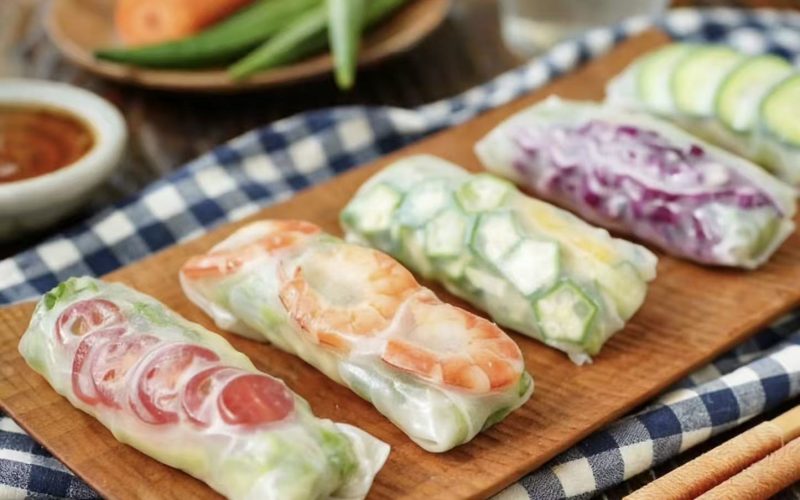
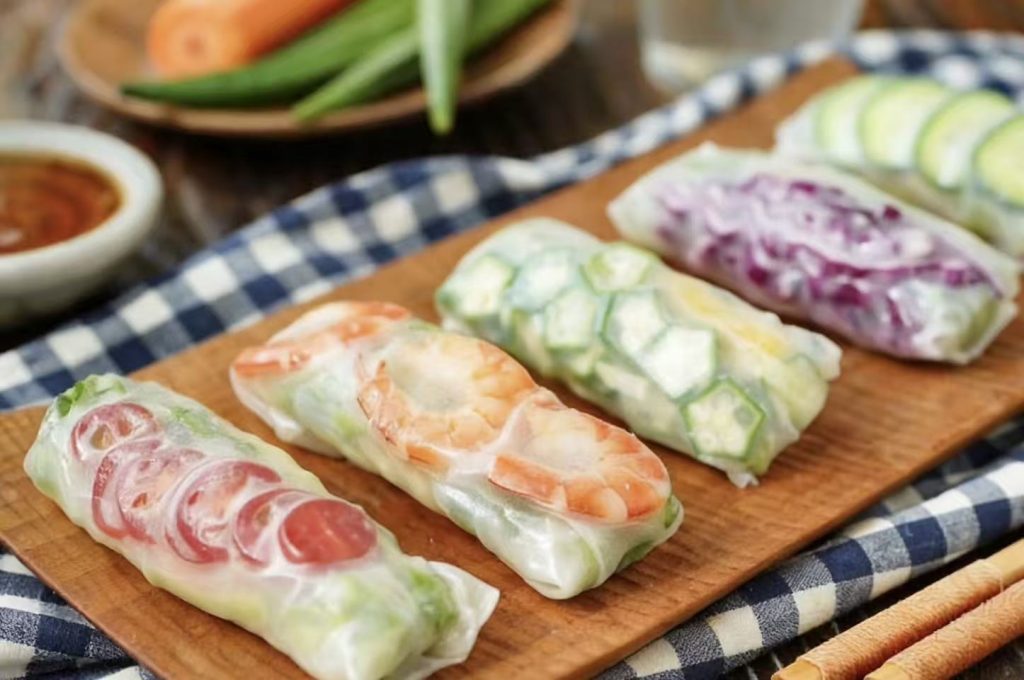
Vietnamese spring rolls (Gỏi Cuốn) are a traditional Vietnamese dish celebrated for their freshness, lightness, and numerous health benefits. Unlike fried spring rolls, these rolls are made with soft, translucent rice paper wrapped around crisp vegetables, delicate rice noodles, and proteins such as shrimp, pork, or tofu. The combination of textures, colors, and flavors makes them a visually appealing and healthy choice for any meal. Whether served as an appetizer or a light main course, Gỏi Cuốn is an excellent option for those seeking a balanced, flavorful, and satisfying dish.
The History and Cultural Significance of Vietnamese Spring Rolls
Vietnamese spring rolls originated in northern Vietnam, where they were traditionally served during festivals, celebrations, and family gatherings. They symbolize good fortune, happiness, and unity. Preparing and sharing spring rolls was historically considered a communal activity, reflecting love, care, and togetherness among family members.
Over time, Gỏi Cuốn has become popular not only in Vietnam but around the world. Its light and refreshing qualities, combined with its nutritional benefits, have made it a favorite among those looking for healthier alternatives to fried or heavily seasoned dishes. Today, these rolls are commonly enjoyed in restaurants and homes internationally, celebrated for both their taste and their cultural significance.
Key Ingredients for Perfect Vietnamese Spring Rolls
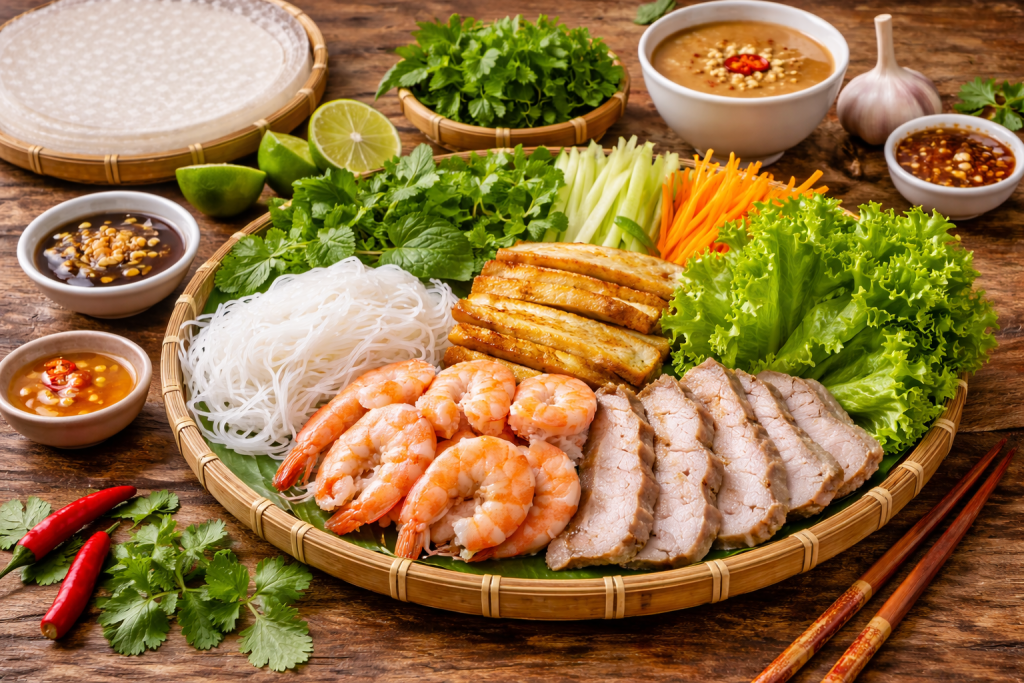
Choosing fresh, high-quality ingredients is essential to making authentic and delicious Gỏi Cuốn:
- Rice Paper: Soft but strong enough to hold the fillings without tearing.
- Protein: Options include shrimp, cooked pork, or pan-fried tofu for a vegetarian version.
- Vegetables: Lettuce, carrot, cucumber, mint, and cilantro provide freshness, crunch, and aroma.
- Rice Noodles: Thin rice noodles, cooked and cooled, add a soft and chewy texture.
Tip: Using fresh, vibrant ingredients enhances the flavor and ensures the spring rolls look as good as they taste.
Step-by-Step Vietnamese Spring Roll Recipe
Making Gỏi Cuốn at home is simple when broken down into easy steps:
1. Prepare Ingredients
Cook shrimp, pork, or tofu, and cut vegetables into thin, uniform strips. Cook rice noodles and drain thoroughly, ensuring they are cool before rolling.
2. Soften the Rice Paper
Dip rice paper in warm water for a few seconds until soft but still slightly firm. Lay flat on a clean surface for assembly.
3. Assemble the Rolls
Place a lettuce leaf on the rice paper as the base. Add a portion of rice noodles, then layer vegetables and your chosen protein. Fold the sides inward and roll tightly, ensuring a compact shape and that no filling escapes.
4. Make the Dipping Sauce
A classic peanut dipping sauce is made by combining peanut butter, garlic, sugar, fish sauce, and water. Heat gently until smooth. Other popular options include sweet chili sauce or a homemade sweet-and-sour sauce. The sauce complements the fresh ingredients perfectly and adds depth to the flavor.
5. Serve and Enjoy
Serve the rolls whole or slice them in half for presentation. Fresh, crisp, and bursting with flavor, Vietnamese spring rolls are ready to enjoy immediately.
Nutritional Benefits
Vietnamese spring rolls are naturally low in calories, high in protein and fiber, and packed with vitamins and minerals from the fresh vegetables and herbs. Ingredients like mint and cilantro not only add flavor but also provide antioxidants and a refreshing aroma. Lean proteins such as shrimp or tofu contribute to muscle health, while the vegetables support digestion and overall wellness. These rolls are ideal for weight management, fitness routines, or simply enjoying a light and wholesome meal.
Creative Variations
Gỏi Cuốn is highly versatile and can be adapted to suit different tastes:
- Vegetarian Option: Use tofu, mushrooms, and extra vegetables instead of meat.
- Fruity Twist: Add mango, pineapple, or papaya for a sweet-tangy flavor.
- Sauce Variations: Try spicy peanut sauce, hoisin-based sauce, or sweet-and-sour dipping sauce to complement different flavor profiles.
Experimenting with different fillings and sauces allows for unique rolls every time while maintaining their fresh and healthy qualities.
Tips for Perfect Spring Rolls
- Always use the freshest ingredients for optimal flavor and texture.
- Avoid soaking rice paper too long; it should be pliable but not tear easily.
- Roll tightly to maintain the shape and prevent fillings from falling out.
- Serve immediately or cover lightly with a damp cloth to prevent the rice paper from drying.
Vietnamese spring rolls (Gỏi Cuốn) combine freshness, health, and flavor, making them a favorite worldwide. By mastering rolling techniques and selecting quality ingredients, you can enjoy this iconic dish anytime at home. Their cultural significance, balanced flavors, and nutritional benefits make Gỏi Cuốn an enduring symbol of Vietnamese cuisine and a versatile, crowd-pleasing option for any meal.
You may also read:
Perfect Homemade Pizza: The Ultimate Guide to Crispy, Cheesy Delight