

Savannah, Georgia, is widely known for its timeless beauty and historic charm. Visitors come for the oak-lined squares, quiet parks, and cobblestone streets. These Savannah historic streets are not just scenic—they are central to the city’s identity and economy.
But in recent years, this picture changed.
Homeless encampments began appearing in public squares. Reports of drug use, litter, and safety concerns increased. For residents and tourists alike, the experience of walking through Savannah’s historic district became more complex.
Now, the city is taking action.
Savannah is working to restore its streets while also helping people in need. The goal is clear: protect public spaces without ignoring human challenges.
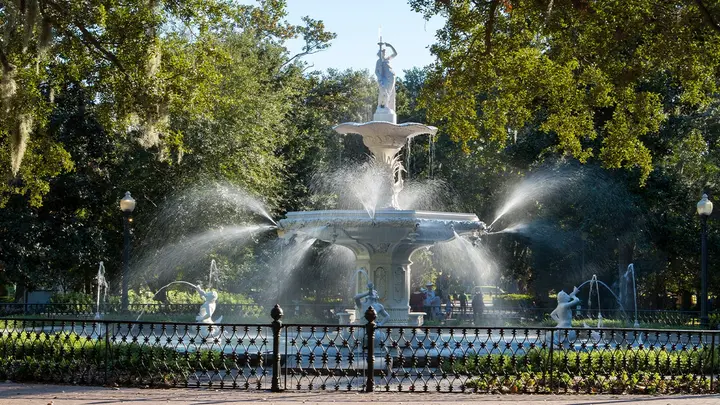
A Growing Problem in Savannah Historic Streets
Over the past few years, visible homelessness increased in many U.S. cities. Savannah was no exception.
Tents and temporary shelters appeared in parks and green spaces. Some of the most affected areas were right in the historic district, where tourism is strongest.
Residents began to notice changes:
- More trash in public areas
- Signs of substance use
- Occasional theft or disturbances
Tourists noticed too. For a city that depends heavily on travel, this created concern.
Yet the issue is deeper than appearances.
Homelessness is often linked to rising housing costs, mental health struggles, and addiction. Savannah’s leaders understood that simply clearing tents would not be enough.
They needed a broader strategy.
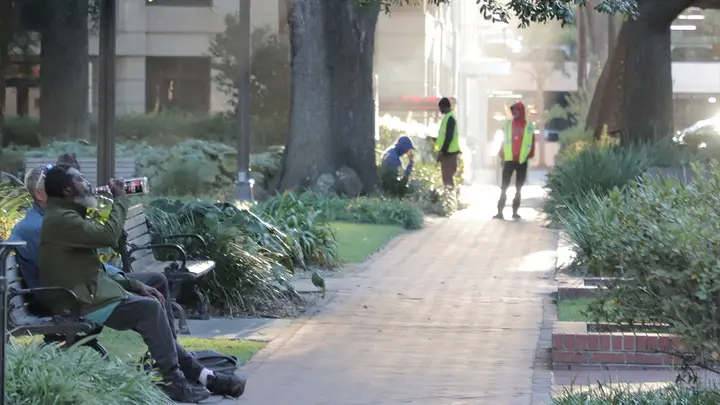
A Multi-Layered Response
Savannah’s plan focuses on both immediate action and long-term solutions. The city is not just cleaning streets—it is trying to change lives.
1. Expanding Access to Shelter and Services
One major step has been increasing access to support.
The city expanded:
- Emergency shelter beds
- Mental health services
- Addiction recovery programs
- Job training and placement support
Outreach teams now actively engage with people living on the streets. Instead of waiting, they bring services directly to those who need them.
This approach builds trust. It also increases the chances that individuals will accept help.
The goal is not removal—it is transition.
2. Public Space Protection Policies
In 2025, Savannah introduced a camping ban in public spaces. This policy limits tents and long-term belongings in parks and squares.
At first glance, this may seem strict. But the city frames it differently.
Officials say enforcement is paired with offers of shelter and assistance. People are not simply told to leave—they are guided toward services.
Police and outreach workers often operate together. This creates a more balanced approach.
Since the policy began:
- Hundreds of encampment cases have been addressed
- More individuals have entered shelter programs
- Public complaints have declined
This shows how policy and support can work side by side.
3. Community and Business Involvement
Savannah’s recovery is not led by government alone.
Local businesses, tourism groups, and residents all play a role.
Programs like “Protect Historic Squares” focus on:
- Keeping public spaces clean
- Reporting safety concerns
- Supporting outreach efforts
Business owners understand that Savannah historic streets are economic lifelines. A clean and safe environment benefits everyone.
At the same time, many groups also support charities and shelters. This creates a system that is both practical and compassionate.
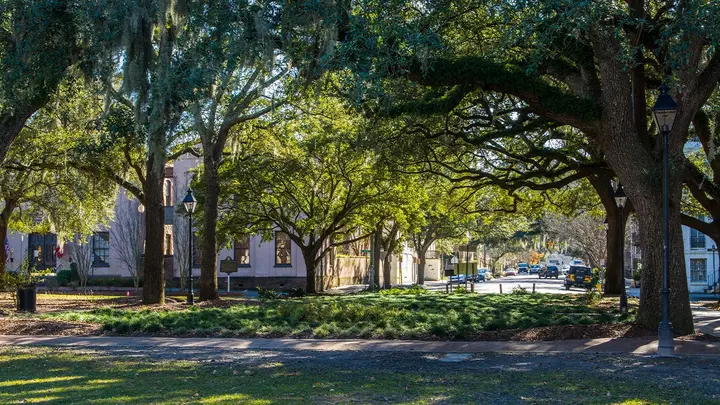
Visible Improvements Across the City
The results are becoming clear.
Since 2023, officials report that homeless encampments in key areas have dropped by about 50%. This is a major shift in a short time.
Other improvements include:
- Cleaner parks and sidewalks
- Reduced visible drug activity
- Increased use of shelters and services
Tourism feedback has also improved. Many visitors now describe the historic district as cleaner, calmer, and more enjoyable.
For residents, daily life feels different too. Public spaces are once again places to relax, walk, and gather.
Why Savannah Historic Streets Matter So Much
Savannah is not just any city.
Its historic layout, designed in the 18th century, is unique in the United States. The grid of public squares creates a walkable, human-centered environment.
These spaces are:
- Cultural landmarks
- Tourist attractions
- Community gathering points
When these areas decline, the impact is widespread.
That is why restoring Savannah historic streets is about more than appearance. It is about identity, economy, and quality of life.
The Ongoing Challenges
Despite progress, the situation is far from solved.
Several key challenges remain:
Housing Affordability
Rising rents make it difficult for low-income residents to stay housed. Without affordable options, people remain at risk.
Mental Health Gaps
Many individuals experiencing homelessness need ongoing care. Short-term programs are not always enough.
Addiction and Recovery
Substance use disorders require long-term treatment and support. Relapse is common without stable systems.
Experts warn that quick fixes do not work. Sustainable change takes time, funding, and coordination.
Looking Ahead
The future of Savannah depends on consistency.
Maintaining progress will require:
- Continued funding for services
- Strong partnerships between sectors
- Policies that adapt to changing conditions
If these efforts continue, the city can protect what makes it special.
Already, the transformation is visible.
Visitors walk through shaded squares. Residents enjoy cleaner streets. And more individuals in need are finding paths toward stability.
A City Finding Balance
Savannah’s story is not just about urban cleanup.
It is about balance.
Beauty and responsibility.
Safety and compassion.
Policy and humanity.
The restoration of Savannah historic streets shows that cities do not have to choose one over the other.
With the right approach, they can achieve both.
And in doing so, they create spaces that are not only beautiful—but also fair, supportive, and alive.