
China floating solar farms are rapidly emerging as a major innovation in renewable energy.
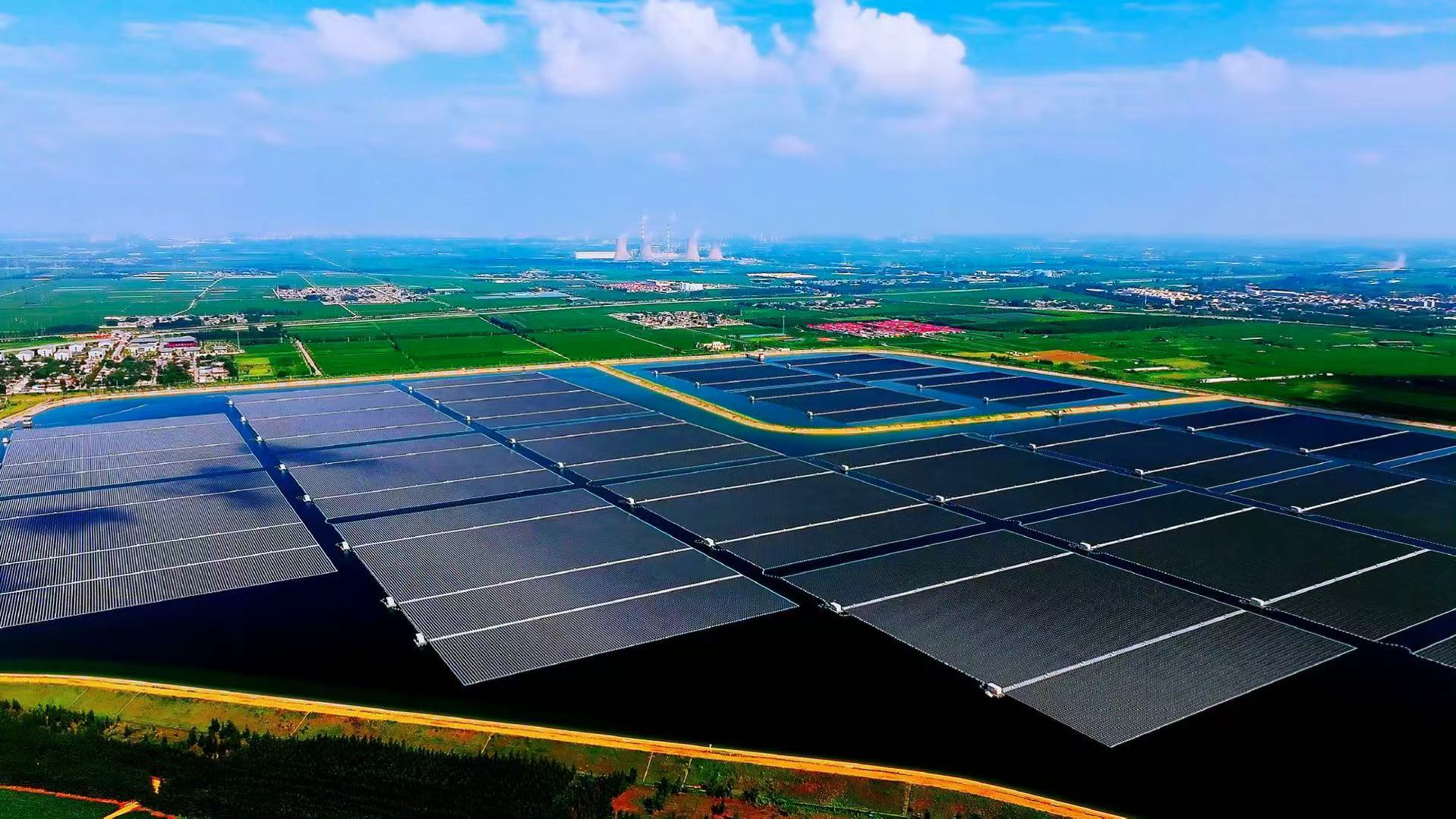
Across the country’s reservoirs, lakes, and mining subsidence areas, these systems are transforming unused water surfaces into powerful clean energy generators.
Instead of occupying valuable land, solar panels are installed on floating platforms that rest on water. This simple but effective idea allows large-scale electricity production without competing with agriculture, housing, or industry.
At the same time, these systems offer additional environmental benefits. The water beneath the panels helps keep them cooler, improving efficiency, while also reducing evaporation from lakes and reservoirs.
As China continues to expand its renewable energy capacity, floating solar technology is becoming an important part of the country’s long-term strategy for reducing carbon emissions and improving energy sustainability.
What Are China Floating Solar Farms?
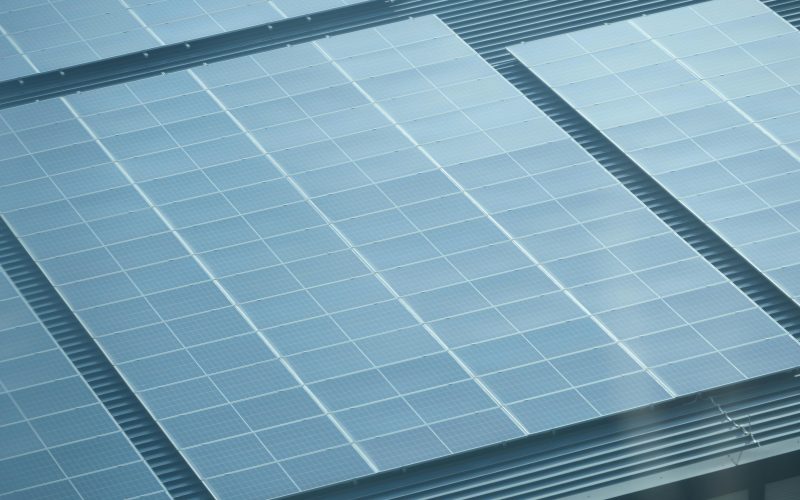
China floating solar farms are solar power systems installed on floating platforms that sit on water bodies. These platforms hold photovoltaic (PV) panels, which convert sunlight into electricity.
Unlike traditional solar farms that require large land areas, floating systems use reservoirs, lakes, and abandoned mining pits. The panels are anchored in place while floating on pontoons that keep them stable even in changing water conditions.
These systems are connected to the power grid through underwater or shoreline cables, delivering electricity just like land-based solar farms.
How China Floating Solar Farms Work
The technology behind China floating solar farms is similar to regular solar energy systems, but with a few important differences.
Sunlight hits the photovoltaic panels, which generate direct current (DC) electricity. This is then converted into alternating current (AC) through inverters. The electricity is transmitted to the grid for residential, commercial, and industrial use.
However, water-based installation offers extra benefits:
- Cooling effect from water improves panel efficiency
- Reduced dust accumulation compared to land systems
- Lower land usage and environmental disruption
These advantages make floating solar farms highly efficient in suitable environments.
Why China Uses Floating Solar Technology
China faces a major challenge: limited land availability in densely populated and industrial regions. At the same time, the country has vast water surfaces that are not fully utilized.
China floating solar farms solve this problem by turning unused water areas into energy-producing infrastructure.
Key reasons for adoption include:
- Land conservation for agriculture and development
- High energy demand in urban and industrial zones
- Government support for renewable energy expansion
- Need to reduce carbon emissions
This strategy aligns with China’s long-term carbon neutrality goals.
Environmental Benefits of Floating Solar Farms
One of the biggest advantages of China floating solar farms is their environmental impact.
1. Reduced Water Evaporation
Solar panels shade the water surface, reducing sunlight exposure and slowing evaporation. This is especially useful in dry regions.
2. Improved Water Quality
By limiting algae growth through reduced sunlight, floating solar systems can help improve water quality in some reservoirs.
3. Lower Land Disturbance
Since no farmland or forests are used, ecosystems on land remain largely untouched.
4. Clean Energy Production
These systems generate renewable electricity without producing greenhouse gas emissions during operation.
Efficiency Advantages of Floating Solar Systems
China floating solar farms are not just environmentally friendly—they can also be more efficient than traditional solar installations.
Water naturally cools the solar panels, which helps maintain higher performance levels. Heat is one of the main factors that reduces solar panel efficiency on land.
In addition, the reflective surface of water can increase the amount of sunlight reaching the panels from below, slightly improving energy output in some conditions.
Challenges of China Floating Solar Farms
Despite their benefits, floating solar farms also face challenges.
Weather and Water Conditions
Strong winds, storms, or fluctuating water levels can affect stability and require advanced engineering solutions.
Maintenance Complexity
Repairing or maintaining equipment on water is more difficult than on land.
Environmental Concerns
If not properly designed, floating systems may impact aquatic ecosystems or fish habitats.
Higher Initial Costs
Installation costs can be higher due to specialized floating structures and anchoring systems.
Key Locations of Floating Solar Projects in China
China floating solar farms are mostly located in regions with large water surfaces, including:
- Former coal mining subsidence areas
- Hydroelectric reservoirs
- Artificial lakes near industrial zones
These locations are ideal because they are often unsuitable for agriculture or urban development.
Future of China Floating Solar Farms
The future of China floating solar farms looks highly promising. As solar technology continues to improve and costs decrease, more regions are expected to adopt this approach.
Experts believe floating solar could become a major component of global renewable energy systems, especially in countries with limited land space and abundant water resources.
In the coming years, we may see:
- Larger floating solar installations integrated with hydropower
- Hybrid energy systems combining wind, solar, and hydro
- More efficient floating platforms with advanced materials
- Expansion into international markets inspired by China’s model
China floating solar farms represent a major step forward in renewable energy innovation. By using water surfaces instead of land, they solve space limitations while improving energy efficiency and reducing environmental impact.
As global demand for clean energy continues to rise, this technology is likely to play an even more important role in shaping the future of sustainable power systems.
You may also read:“Sleep Soundly Tonight: 5 Foods That Promote Faster, Better Sleep”