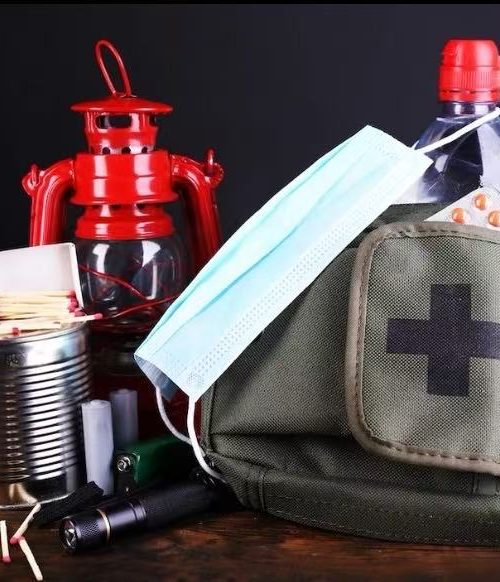


Universal emergency rules are essential for staying safe in any crisis. In the United States, emergencies can happen at any time, including fires, car accidents, medical emergencies, and sudden disasters.
Learning these rules helps you stay calm, make better decisions, and take the right actions during any 911 emergency situation.

1. Universal Emergency Rules: Life Always Comes First
In any emergency, human life is always the top priority.
Do not risk your safety for personal belongings such as phones, money, or documents.
If the situation is dangerous:
- Leave immediately
- Do not return for property
- Stay in a safe area
This is the foundation of universal emergency rules.
2. Universal Emergency Rules for Staying Calm
Panic leads to mistakes in emergencies.
People under panic may:
- Run in unsafe directions
- Freeze and do nothing
- Make wrong decisions
Follow this simple method:
Stop → Breathe → Observe → Act
Calm thinking improves your universal emergency rules response.
3.Avoid Crowds and Untrained Action
Emergency scenes often attract crowds.
Crowds can:
- Block rescue teams
- Slow down emergency response
- Increase danger
Do not intervene unless trained.
Untrained actions may worsen injuries. This is a key part of universal emergency rules.
4. Keep the Airway Clear
Breathing is critical in any emergency.
Airways may be blocked by:
- Vomit
- Blood
- Tongue obstruction
- Foreign objects
Basic actions:
- Turn the person on their side
- Loosen tight clothing
- Keep airway clear
Airway safety is central to universal emergency rules.
5. Call 911 Immediately

In the U.S., call 911 for emergencies.
Use 911 for:
- Fires
- Medical emergencies
- Traffic accidents
- Dangerous situations
When calling:
- Give exact location
- Describe the emergency
- State number of people involved
- Explain current condition
Fast communication follows universal emergency rules and saves lives.
6. When Unsure, Do Less
If you are not sure what to do, do less—not more.
Focus on:
- Keeping the area safe
- Preventing further harm
- Waiting for professionals
If untrained, do not attempt medical procedures. This is a core universal emergency rules principle.
7. Act Within the Critical Time Window
Many emergencies have a critical treatment window.
Examples:
- Heart attack
- Stroke
- Severe bleeding
- Burns
Warning signs:
- Chest pain
- Sudden weakness
- Speech difficulty
- Loss of consciousness
Do not wait. Act immediately under universal emergency rules.
8. Universal Emergency Rules for Preparedness
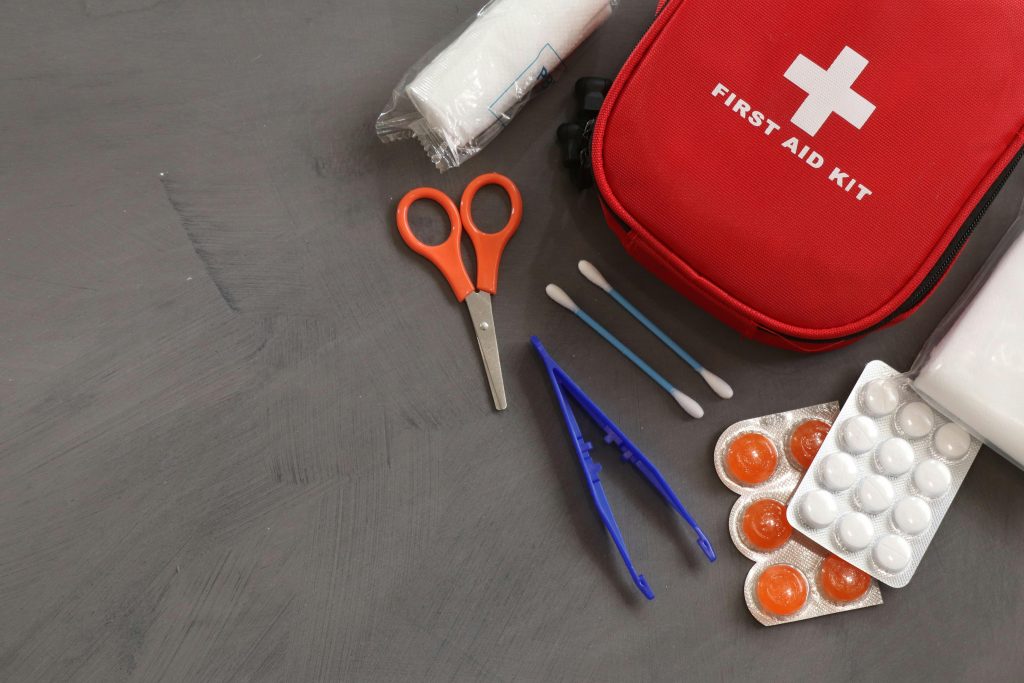
Preparation reduces panic and improves response.
Emergency kit includes:
- First aid supplies
- Bandages and gauze
- Antiseptic
- Flashlight
- Gloves
- Fire extinguisher
Also know:
- Emergency exits
- Utility shut-off points
- Basic first aid skills
Preparedness strengthens universal emergency rules in real situations.
❓ FAQ
What are universal emergency rules?
Universal emergency rules are basic principles that guide safe actions during any emergency or 911 situation.
Why are universal emergency rules important?
They help people stay calm, avoid mistakes, and respond correctly during emergencies.
Do universal emergency rules apply in the U.S.?
Yes, they are especially useful for 911 emergency situations in the United States.
Emergencies are unpredictable, but your response can be controlled.
By following universal emergency rules, you can stay calm, act correctly, and protect lives in any crisis situation.
Key principles:
- Life always comes first
- Stay calm and think clearly
- Avoid untrained intervention
- Call 911 immediately
- Act within critical time windows
- Be prepared in advance
These rules are simple but powerful, and they may one day help you save a life—including your own.