
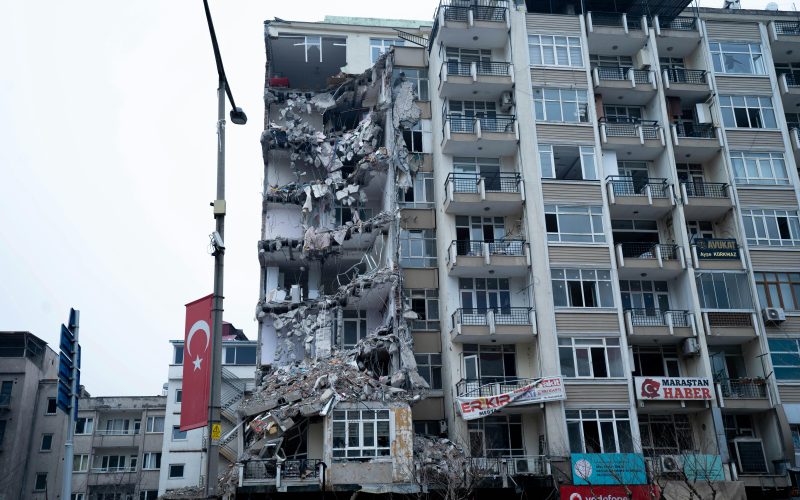
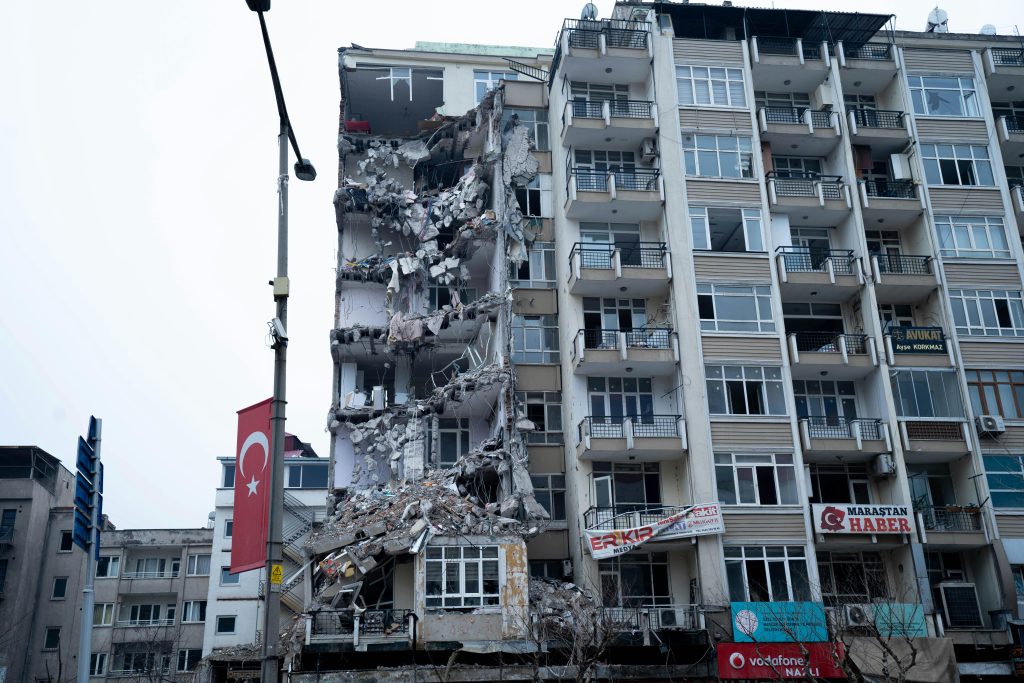
Earthquake emergency safety is something everyone should understand. Earthquakes happen fast. They often come with no warning. In just a few seconds, they can damage buildings and cause serious injuries.
Many people get hurt because they panic. Others do not know what to do. That is why earthquake emergency safety matters so much. When you know the right steps, you can act quickly and avoid danger.
The goal is simple: stay calm, stay safe, and make smart choices.
The First Seconds: Stay Calm and Think Clearly
When the ground starts to shake, your first reaction is critical.
Do not run blindly. Do not scream. These actions increase risk. People often get injured during panic, not the quake itself.
Instead, pause for a moment. Focus on your surroundings. Then act.
Calm thinking leads to safer decisions.
Indoor Earthquake Emergency Safety: Protect Yourself First
Most injuries happen indoors. Falling objects are the main danger.
If you are inside, follow these steps right away:
Do not:
- Run to the stairs
- Use an elevator
- Jump out of a window
These choices are dangerous and often lead to serious harm.
Do this instead:
- Drop to the ground
- Cover your head and neck
- Hold onto something stable
This is known as the Drop, Cover, and Hold method. It is one of the most effective earthquake emergency safety techniques.
Find a Safe Spot Quickly
Your location indoors matters.
Good places include:
- Under a strong table or desk
- Next to a solid interior wall
- Near sturdy furniture
Avoid these areas:
- Windows and glass
- Tall shelves
- Hanging lights
- Outer walls and balconies
Glass can shatter. Heavy objects can fall. Staying in the right place reduces your risk.
Protect your head at all times.
Should You Leave the Building?
This depends on where you are.
If you are on a high floor, stay inside. Trying to escape during shaking is very dangerous.
If you are on a lower floor, you may leave only if:
- The shaking slows down
- The exit path is clear
- There is no crowd pushing
Even then, move carefully.
Rushing creates more danger than safety.
Outdoor Earthquake Emergency Safety: Move to Open Space
If you are already outside, your priority is distance.
Move away from:
- Buildings
- Power lines
- Street signs
- Trees and walls
These can fall without warning.
Find an open area such as:
- A park
- A wide road
- An empty field
Once there, crouch down and protect your head.
Stay low and stay alert.
Earthquake Emergency Safety While Driving
If you are driving when an earthquake starts, stay calm.
Do not stop suddenly in traffic. Instead:
- Slow down gradually
- Pull over safely
- Stay inside your car
Avoid stopping under:
- Bridges
- Overpasses
- Tunnels
Your car can offer some protection. It is safer than being outside near falling debris.
After the shaking stops, continue driving with caution.
After the Shaking: Do Not Relax Too Soonv
Many people think the danger is over when the shaking stops. This is not true.
Aftershocks are common. They can be strong enough to cause more damage.
Follow these earthquake emergency safety steps:
- Stay away from damaged buildings
- Do not go back inside too soon
- Watch for falling debris
Listen for official instructions if possible.
Patience can prevent second injuries.
Safe Evacuation: Move Slowly and Smartly
If you need to leave an area, do it carefully.
- Walk, do not run
- Follow directions
- Stay with others if possible
Avoid pushing or crowding. Panic in groups is dangerous.
Order saves lives. Chaos causes harm.
If You Are Trapped: Stay Alive and Signal for Help
Being trapped is frightening, but survival is possible.
The key is to stay calm and conserve energy.
Do this:
- Breathe slowly
- Clear dust from your face
- Protect your chest and head
Do not shout constantly. This wastes energy and air.
Instead:
- Tap on pipes or walls
- Create a steady sound pattern
Rescue teams listen for these signals.
Energy saved is life saved.
Build an Emergency Kit: Be Ready Before It Happens
Preparation is a major part of earthquake emergency safety.
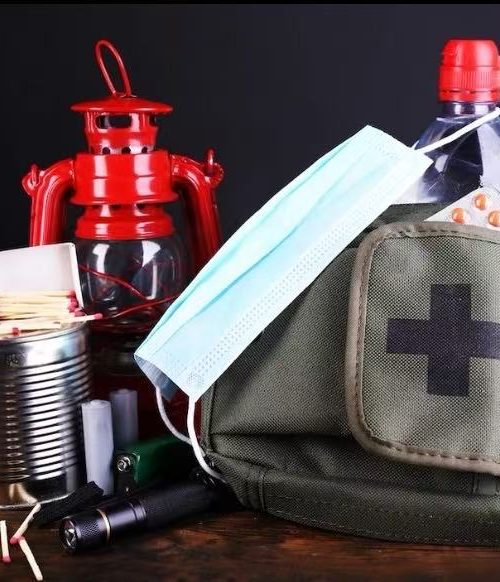
A basic emergency kit should include:
- Drinking water
- Ready-to-eat food
- Flashlight
- Whistle
- First aid supplies
- Portable charger
Optional items:
- Blanket
- Gloves
- Copies of important documents
Keep your kit in a place you can reach quickly.
Practice Makes a Difference
Knowing what to do is good. Practicing it is better.
You should:
- Review earthquake emergency safety steps often
- Practice drills with family
- Learn your exit routes
- Know safe areas nearby
These habits make your response faster and more natural.
Preparation builds confidence.
Conclusion: Small Actions, Big Impact
Earthquake emergency safety is not complicated. It is about simple actions done at the right time.
Stay calm. Protect yourself. Avoid danger. Prepare ahead.
These steps can reduce injury and save lives.
In a real emergency, what you do in a few seconds can make all the difference.
You may also read:
8 Universal Emergency Rules That Could Save Your Life