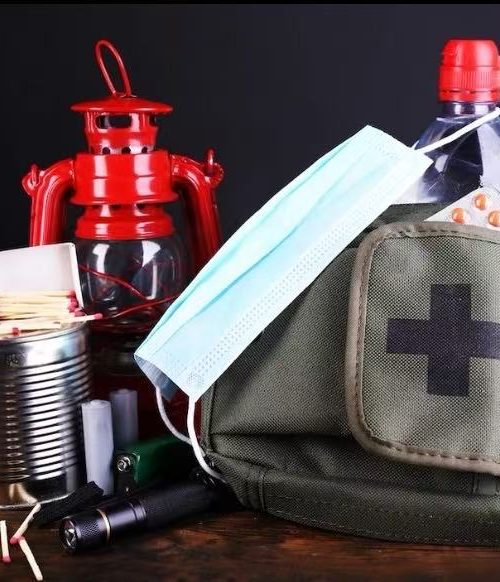

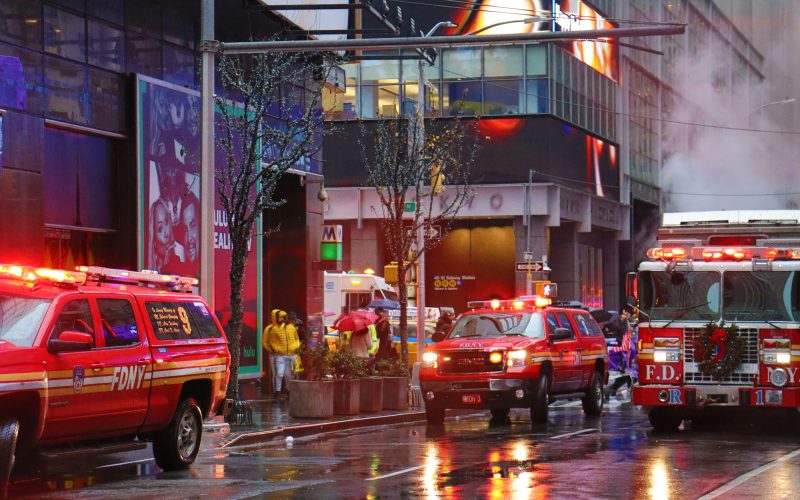
Emergency response safety is a skill everyone should have. Emergencies can happen at any time, often without warning. Two of the most common situations are elevator entrapment and traffic accidents.
Many people panic in these moments. They may force doors open, argue, or ignore danger around them. These actions can lead to serious injuries or even death.
Learning emergency response safety helps you stay calm, think clearly, and act correctly. In this guide, you will learn simple and effective steps to handle both elevator emergencies and traffic accidents.

Elevator Emergency Response Safety Tips
Getting trapped in an elevator can feel frightening. The lights may go out, and the elevator may stop between floors. However, modern elevators are built with multiple safety systems.
They are designed to protect you, not harm you.
What Not to Do in Elevator Emergencies
Understanding what to avoid is a key part of emergency response safety.
- Do not force the doors open
- Do not try to climb out of the elevator
- Do not jump or shake the elevator
- Do not attempt to escape through the ceiling
Forcing the doors open is extremely dangerous. The elevator may not be aligned with the floor. This could cause a serious fall into the shaft.
Step-by-Step Elevator Emergency Response Safety Actions
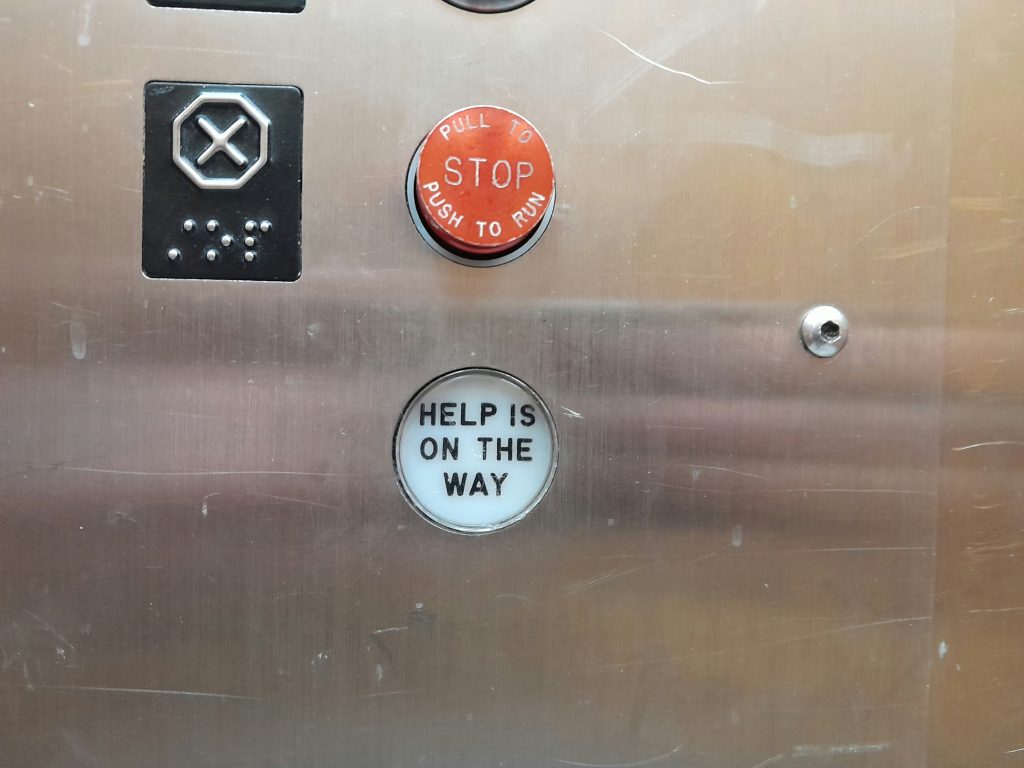
Follow these steps to stay safe:
1. Stay Calm
Staying calm is the most important step in emergency response safety.
Take slow, deep breaths. Remind yourself that elevators have safety systems.
2. Use the Emergency Button
Press the emergency call button inside the elevator.
This connects you to building management or a monitoring center. Clearly explain your situation and location.
3. Call for Attention
If the call button does not work:
- Shout for help
- Knock on the door using a shoe or hard object
These actions can alert people nearby.
4. Stand Safely
- Lean against the wall
- Keep your body stable
- Avoid unnecessary movement
Do not jump or move around. This can increase risk and waste energy.
5. Control Your Breathing
Panic can make breathing feel difficult.
However, elevators are not airtight. Air continues to circulate.
Focus on slow breathing to stay in control.
6. Wait for Rescue
Rescue teams are trained to handle elevator emergencies.
When help arrives:
- Follow instructions carefully
- Exit slowly
- Avoid pushing or rushing
Patience is a key part of emergency response safety.
Traffic Accident Emergency Response Safety Guide
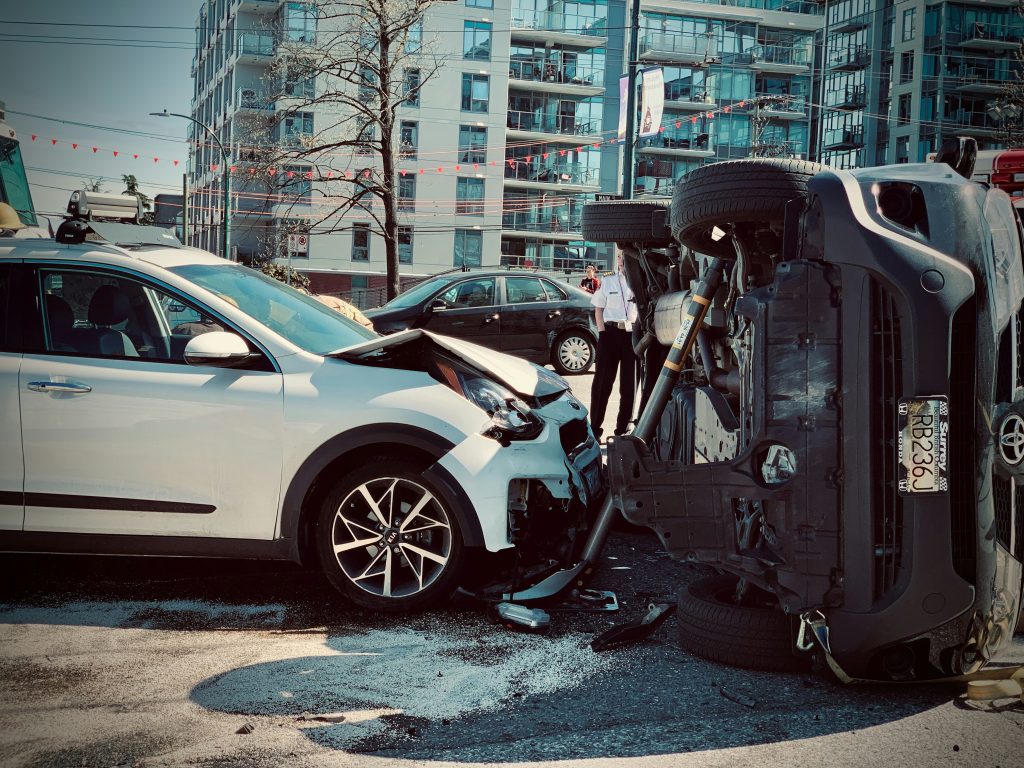
Traffic accidents can involve drivers, passengers, or pedestrians.
In any accident, remember this rule:
People come first. Vehicles come second.
This is the foundation of emergency response safety.
First Actions for Emergency Response Safety
Move to a Safe Area
If possible, leave the vehicle and move to safety:
- Go to the roadside
- Stand on the sidewalk
- Stay away from traffic lanes
Never stay in the middle of the road. Secondary accidents are very dangerous.
Stay Calm and Avoid Conflict
After an accident, emotions can rise quickly. People may argue or blame each other.
This behavior increases risk.
Stay calm and focus on safety, not fault.
Injury Handling in Emergency Response Safety
Check for Injuries
Look at yourself and others:
- Are there visible injuries?
- Is anyone unconscious or bleeding?
Do Not Move Seriously Injured People
If someone may have a neck or spinal injury:
Do not move them unless necessary.
Incorrect movement can cause permanent damage.
Provide Basic First Aid
If safe to do so:
- Stop bleeding using cloth or bandages
- Keep the injured person still
- Offer reassurance
These simple actions support emergency response safety.
Call Emergency Services
Call emergency services immediately:
- Dial 911 or your local emergency number
Provide clear information:
- Exact location
- Number of injured people
- Type of accident
Clear communication speeds up rescue.
Evidence and Legal Safety Steps
Document the Scene
If it is safe:
- Take photos of vehicle positions
- Capture license plates
- Record damage and surroundings
- Include road signs and skid marks
This helps with insurance and legal processes.
Do Not Move Vehicles Unnecessarily
Leave vehicles in place unless they create danger.
If you must move them:
- Mark their original position
- Take photos before moving
Avoid Private Settlements
Some people may suggest quick private agreements.
This is risky, especially if injuries are involved.
Always follow official procedures.
Watch for Special Risks
Be alert for:
- Drunk driving
- Hit-and-run behavior
If a vehicle leaves the scene:
- Remember the license plate
- Note the vehicle type and color
- Report it immediately
Prevention and Emergency Response Safety Awareness
The best way to stay safe is prevention.
Good habits reduce the need for emergency response safety actions.
Safe Driving Habits
- Always wear a seatbelt
- Follow speed limits
- Never drive under the influence
- Avoid driving while tired
Safe driving protects everyone.
Pedestrian Safety
- Use sidewalks
- Cross at designated areas
- Follow traffic signals
- Stay alert at all times
Elevator Safety Tips
- Do not jump inside elevators
- Do not lean on doors
- Follow weight limits
- Supervise children
Why Emergency Response Safety Matters
In emergencies, your reaction matters more than the event itself.
Panic leads to mistakes. Calm thinking saves lives.
By understanding emergency response safety, you can:
- Reduce risk
- Protect others
- Make better decisions
- Improve survival outcomes
Elevator emergencies and traffic accidents are common, but they do not have to be deadly.
Emergency response safety gives you the tools to stay in control.
Remember the key points:
- Stay calm
- Avoid risky actions
- Protect people first
- Follow clear steps
You cannot always prevent emergencies.
But with the right knowledge, you can respond safely and effectively.