

Gas leak emergency situations can happen without warning. Many people use gas every day but do not fully understand the risks.
Gas leak safety is often overlooked until something goes wrong. A small leak can quickly turn into a serious problem. It may lead to fire, explosion, or even gas poisoning.
That is why learning gas leak detection and proper gas leak response is so important. With the right knowledge, you can protect your home and your family.
What Makes a Gas Leak So Dangerous
Gas itself is not always easy to notice. In its natural state, it has no smell. That is why companies add a strong odor. It smells like rotten eggs.
Even a small amount of gas in the air can be risky. If it builds up, the danger increases.
Here is what makes it worse:
- A tiny spark can cause an explosion
- Gas spreads quickly in closed spaces
- Breathing gas reduces oxygen in your body
This means time matters. Acting early can save lives.
Early Signs You Should Never Ignore
Most gas leaks give warning signs. The key is to notice them early.
1. A Strong Smell
The most common sign is the smell. If you notice a sulfur or rotten egg odor, take it seriously.
2. A Hissing Sound
Listen carefully. A soft hissing noise near pipes or appliances may mean gas is escaping.
3. Unusual Gas Meter Movement
If your gas meter is moving when nothing is in use, something may be wrong.
4. Weak or Dying Plants
Plants near gas lines may suddenly wilt. This can be a hidden clue.
5. A Gas Detector Alarm
If your alarm goes off, treat it as real danger. Never ignore it.
The Four Things You Must Never Do
When you suspect a gas leak, your actions matter. Many accidents happen because of small mistakes.
Follow these four rules at all times:
Do not touch electrical switches
Do not turn lights on or off. Do not plug or unplug devices.
Even a tiny spark can ignite gas.
Do not use open flames
Avoid matches, lighters, or smoking.
Any flame can trigger an explosion.
Do not use your phone indoors
Phones can create small sparks.
Wait until you are outside.
Do not create static electricity
Do not remove synthetic clothing quickly.
Static discharge can be dangerous.
These steps may feel simple, but they are critical.
Step-by-Step Gas Leak Emergency Actions
If you think there is a leak, stay calm. Move carefully. Follow these steps in order.
Step 1: Stay Calm and Move Slowly
Do not run. Do not panic.
Fast movements can increase risk.
Step 2: Open Doors and Windows
Let fresh air in. This helps reduce gas concentration.
Open windows gently to avoid friction.
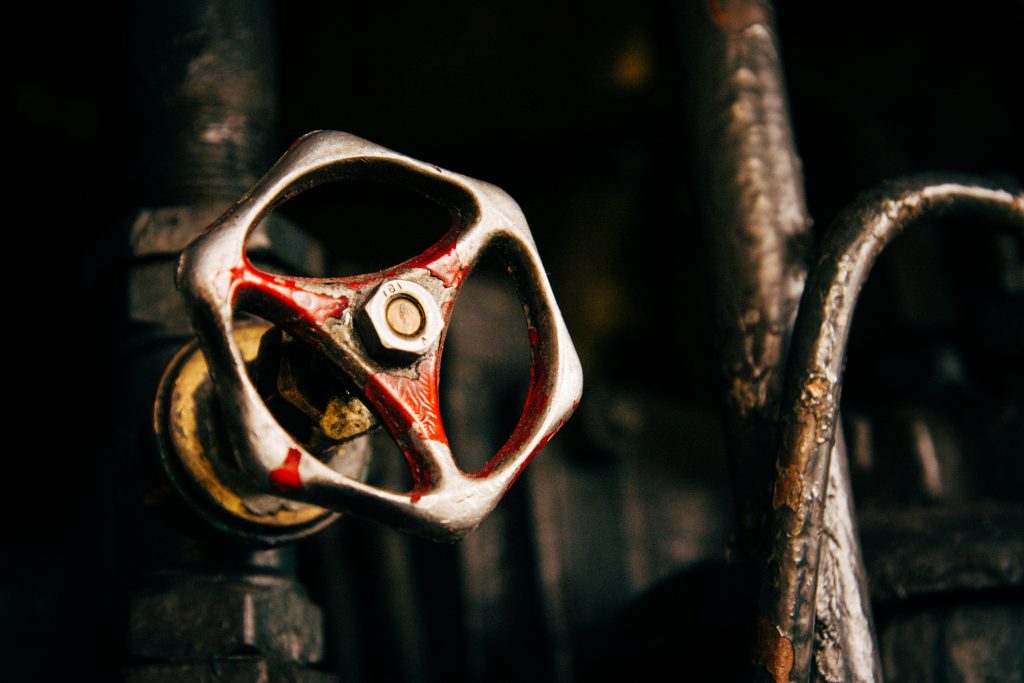
Step 3: Turn Off the Gas Supply
Find the main valve and close it.
Knowing its location ahead of time is important.
Step 4: Leave the Building Immediately
Get everyone outside. Move to a safe distance.
Step 5: Call for Help Outside
Once you are safe, call emergency services or your gas provider.
Give clear details about your location.
Never go back inside until professionals say it is safe.
Simple Habits That Prevent Gas Leaks
Prevention is easier than dealing with an emergency. Small habits make a big difference.
Keep air flowing
Always allow ventilation when using gas appliances.
Turn off valves after use
Do not rely only on the appliance switch.
Close the main valve when possible.
Check hoses regularly
Rubber hoses wear out over time. Look for cracks or stiffness.
Upgrade to safer materials
Metal hoses last longer and are more secure.
Install a gas detector
This device gives early warning.
It is one of the best safety investments you can make.
Call professionals for repairs
Never fix gas lines yourself.
Improper work increases risk.
A Common Mistake That Leads to Disaster
Many people ignore weak gas smells. They think it is nothing serious.
This is a dangerous mindset.
Gas builds up slowly. You may not notice how much is in the air. Then one small spark can cause a major explosion.
There is no safe level of a gas leak inside your home.
If you smell gas, act immediately.
How to Make Your Home Safer Today
You do not need expensive tools to improve safety. Start with simple steps:
- Learn where your gas valve is
- Test your gas detector once a month
- Replace old hoses on time
- Keep emergency numbers saved
- Teach family members what to do
Safety works best when everyone knows the plan.
Gas is useful, but it demands respect.
Understanding gas leak emergency actions can protect your home and your family. You do not need to be an expert. You just need to stay alert and act quickly.
Remember the basics:
- Recognize the signs early
- Avoid sparks and flames
- Ventilate and shut off gas
- Leave and call for help
These steps are simple. But they can save lives.
Make gas safety part of your daily routine. It is one of the smartest choices you can make.