
Stroke first aid is a skill everyone should learn. A stroke can happen at any time. It often strikes without warning.
When a stroke occurs, the brain starts to lose oxygen. Brain cells begin to die within minutes. This is why time is critical.
If you act fast and use proper stroke first aid, you can reduce brain damage. You may even save a life.
Many people miss the early signs. Others hesitate to call for help. These delays can lead to paralysis, speech loss, or death.
The good news is simple. You do not need medical training to help. You only need to recognize the signs and act quickly.
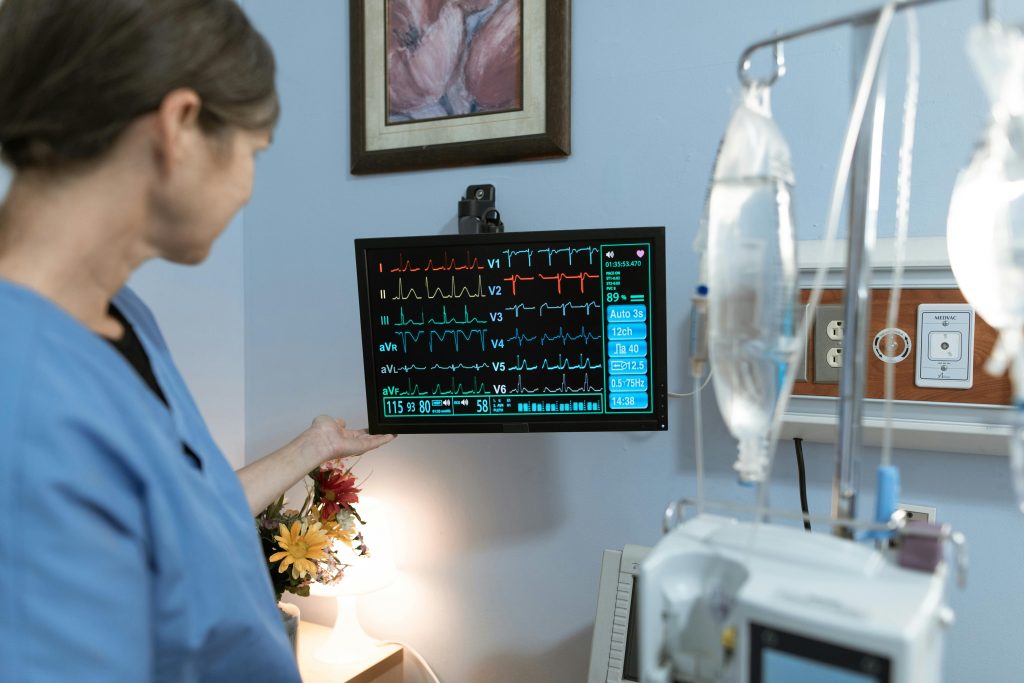
What Is a Stroke?
A stroke happens when blood flow to the brain is interrupted. There are two main types:
- Ischemic stroke – caused by a blocked blood vessel
- Hemorrhagic stroke – caused by bleeding in the brain
Both types are dangerous. Both require immediate stroke first aid.
FAST: The Core of Stroke First Aid
The FAST method is the easiest way to recognize a stroke. It is simple, clear, and effective.
F – Face Drooping
Ask the person to smile.
Look closely at their face.
- Is one side drooping?
- Does the mouth look uneven?
A drooping face is a major warning sign.
A – Arm Weakness
Ask the person to raise both arms.
- Does one arm drift downward?
- Can they not lift one arm at all?
Arm weakness often means brain damage has started.
S – Speech Difficulty
Ask them to repeat a simple sentence.
Listen carefully.
- Is their speech slurred?
- Are words hard to understand?
- Do they seem confused?
Speech problems are very common in stroke cases.
T – Time to Call Emergency Services
If you notice any of these signs, act immediately.
- Call emergency services right away
- Do not wait for symptoms to improve
Every minute counts in stroke first aid.
Other Stroke Warning Signs
Not all strokes follow the FAST pattern. Some symptoms appear differently.
Watch for these additional signs:
- Sudden dizziness
- Loss of balance or coordination
- Severe headache with no clear cause
- Blurred or double vision
- Numbness on one side of the body
- Nausea or vomiting
Even one of these symptoms can signal a stroke.
What to Do: Step-by-Step Stroke First Aid
When a stroke is suspected, stay calm and act fast. Follow these steps:
1. Keep the Person Safe and Still
Help them sit or lie down.
- Use a flat surface if possible
- Keep their head slightly raised
Avoid sudden movement.
2. Ensure Clear Breathing
Loosen tight clothing.
- Open collars
- Remove scarves or ties
Check if they are breathing normally.
3. Turn Them on Their Side if Vomiting
If the person vomits:
- Turn their head to one side
- Keep the airway clear
This prevents choking.
4. Do NOT Give Food, Water, or Medicine
This is very important in stroke first aid.
- Swallowing may be impaired
- Food or liquid can cause choking
- Medication may worsen bleeding
Wait for medical professionals.
5. Do NOT Move Them Unnecessarily
Avoid lifting or shaking the person.
- Movement can worsen bleeding
- It may increase brain injury
Keep them as still as possible.
6. Do NOT Use Home Remedies
Do not try:
- Massaging the head
- Applying heat
- Folk treatments
These do not help and may delay proper care.
The Golden Time in Stroke First Aid
Stroke treatment depends on timing. Doctors often refer to a “golden window.”
For many patients:
- Clot-busting drugs must be given within a few hours
- Mechanical clot removal also has a time limit
The sooner treatment begins, the better the outcome.
Delays can lead to:
- Permanent brain damage
- Paralysis
- Speech loss
- Death
This is why stroke first aid must be immediate.
Why People Miss the Signs
Many people fail to act in time. Common reasons include:
- They think symptoms will go away
- They do not recognize the signs
- They are afraid of calling emergency services
- They try home remedies first
These mistakes can be fatal.
How to Reduce Stroke Risk
Prevention is just as important as stroke first aid.
Several risk factors increase the chance of stroke:
- High blood pressure
- Diabetes
- High cholesterol
- Smoking
- Heavy alcohol use
- Obesity
- Lack of exercise
- Irregular heart rhythm (such as atrial fibrillation)
Healthy Habits That Help
You can lower your risk by:
- Eating a balanced diet
- Exercising regularly
- Controlling blood pressure
- Quitting smoking
- Limiting alcohol
- Getting regular health checkups
Small changes can prevent major health problems.
Make Stroke First Aid a Daily Skill
Stroke first aid is not just for doctors. It is for everyone.
You might need it at home, at work, or in public.
Learning the FAST method takes only minutes. But it can save years of someone’s life.
Conclusion: Act Fast, Save a Life
A stroke is a medical emergency. It happens suddenly and progresses quickly.
But you are not helpless.
By learning stroke first aid, you can:
- Recognize symptoms early
- Act within the golden time
- Reduce long-term damage
- Save a life
Remember FAST. Act immediately. Every second matters.