
A Habit That Feels Harmless
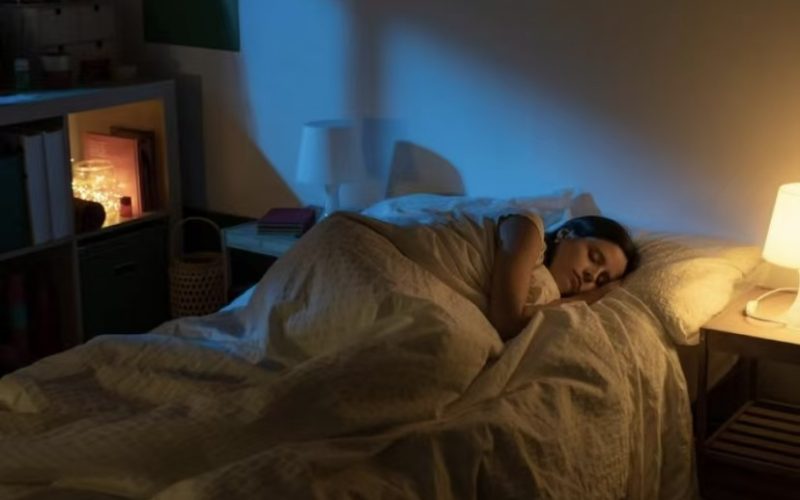
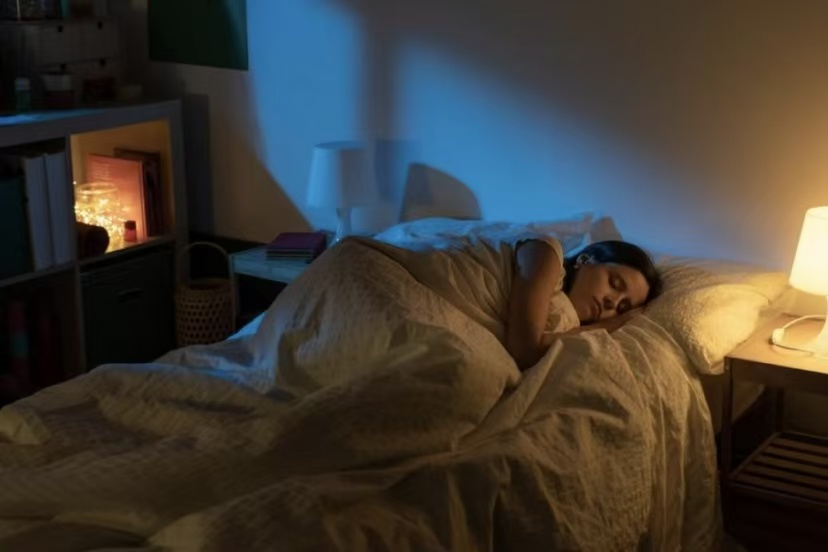
Many people fall asleep with a bedside lamp, TV glow, or even full room lighting without thinking twice. In modern life, artificial light has become a constant presence—even at night. However, this simple habit of sleeping with lights on may be silently affecting your physical health, mental well-being, and sleep quality more than you realize.
Sleep is not just “rest.” It is a complex biological process controlled by your brain, hormones, and internal body clock. When light enters this system at the wrong time, it can disrupt everything.
Disruption of the Body’s Natural Sleep Cycle
Your body follows a natural rhythm called the circadian rhythm. This internal clock tells you when to feel awake and when to feel sleepy.
What light does at night:
- Signals the brain that it is still daytime
- Suppresses melatonin production
- Delays the feeling of sleepiness
Melatonin is the hormone responsible for making you feel tired. When you sleep with lights on, even dim lighting can reduce melatonin levels, making it harder to fall into deep, restorative sleep.
Over time, this disruption can lead to chronic sleep imbalance and irregular sleep patterns.
Poor Sleep Quality and Frequent Waking
Even if you manage to fall asleep with the lights on, the quality of that sleep is often lower.
Common effects include:
- Light sleep instead of deep sleep
- Frequent nighttime awakenings
- Difficulty reaching REM sleep
Deep sleep is essential for memory consolidation, muscle recovery, and emotional stability. Without it, you may wake up feeling tired, unfocused, and mentally foggy—even after 7–8 hours in bed.
Weight Gain and Metabolic Changes
One of the lesser-known effects of sleeping with lights on is its impact on metabolism.
Research suggests that disrupted sleep cycles can:
- Increase hunger hormones (ghrelin)
- Decrease fullness hormones (leptin)
- Lead to late-night cravings
- Slow down calorie processing
This combination may increase the risk of weight gain over time. Your body essentially becomes less efficient at regulating energy balance when its sleep environment is not dark.
Increased Risk of Long-Term Health Issues
Long-term exposure to light during sleep has been linked to several health concerns.
Possible risks include:
- Higher risk of cardiovascular problems
- Increased blood sugar imbalance
- Elevated stress hormone levels
- Potential link to metabolic disorders
While occasional light exposure is not dangerous, consistently sleeping in illuminated environments can place stress on your internal biological systems.
Mental Health and Emotional Stability
Sleep and mental health are deeply connected. Poor sleep quality can directly affect how you feel emotionally during the day.
People who regularly sleep with lights on may experience:
- Higher anxiety levels
- Mood swings
- Increased irritability
- Reduced stress tolerance
This happens because the brain uses deep sleep to reset emotional processing systems. Without proper darkness, that reset becomes incomplete.
Eye Strain and Sensory Fatigue
Even when your eyes are closed, they are still sensitive to light. This constant low-level stimulation can prevent your sensory system from fully shutting down.
Over time, this may cause:
- Morning eye fatigue
- Head heaviness
- Sensitivity to bright environments
- Reduced visual recovery during sleep
Your body is designed to rest in darkness, not partial illumination.
Why We Still Sleep With Lights On
Despite the risks, many people continue the habit due to psychological comfort.
Common reasons include:
- Fear of darkness (nyctophobia)
- Habit from childhood
- Watching TV before bed
- Using phones in bed
- Feeling safer with light presence
Understanding the reason is important, because breaking the habit requires addressing both behavior and comfort.
Healthier Alternatives to Sleeping in Light
If complete darkness feels uncomfortable, you don’t have to make an extreme change overnight.
Try these gradual adjustments:
✔ Use warm, dim night lights instead of bright ceiling lights
✔ Switch to red or amber-toned lighting
✔ Turn off screens at least 30–60 minutes before bed
✔ Use blackout curtains
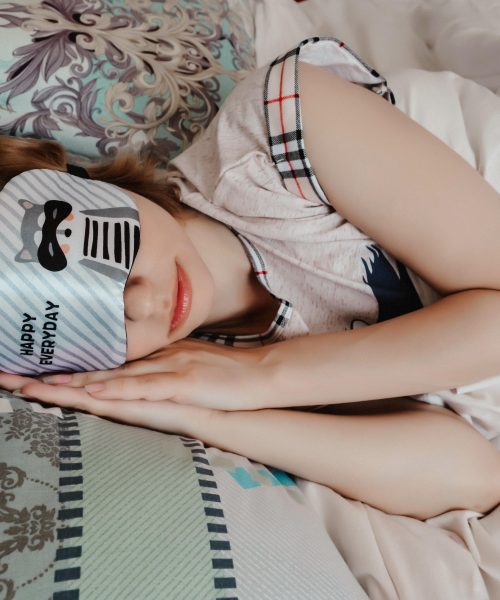
✔ Try a sleep mask for full darkness without discomfort
Small changes can help your brain adapt naturally.
Darkness Is Not Empty—It’s Healing
Sleeping is one of the most important biological processes in human life, and darkness plays a key role in making it effective. While sleeping with lights on may seem harmless or even comforting, it quietly interferes with hormones, metabolism, mental health, and sleep quality.
Your body is designed to rest in darkness. When you restore that natural condition, sleep becomes deeper, recovery becomes stronger, and waking life becomes clearer.
Sometimes, better health doesn’t require doing more—it simply requires turning the light off.