
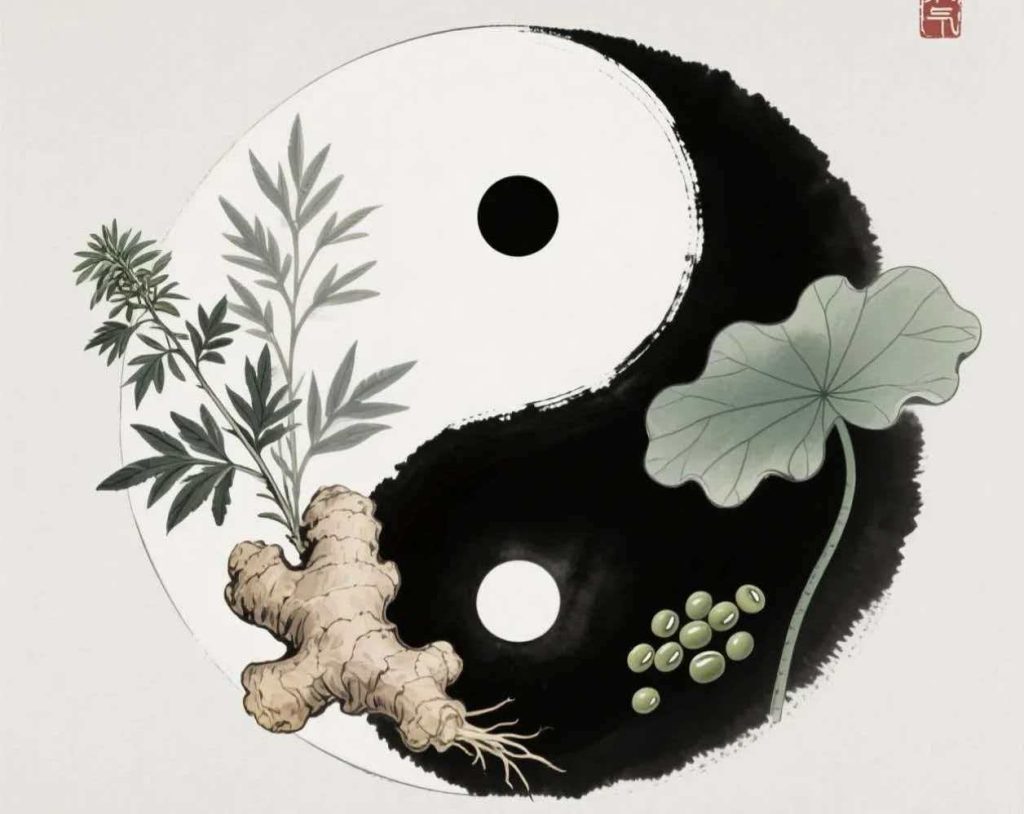
Yin-Yang isn’t just a philosophical idea—it’s a practical guide for living well. Ancient Chinese thinkers observed that the universe, humans, and all interactions follow cycles of complementary forces: Yin and Yang.
In today’s fast-paced, stressful world, understanding Yin-Yang helps us manage energy, relationships, and decisions with clarity and balance. Many people first see it in wellness contexts—yoga classes, meditation apps, or diet guides—but its value goes far beyond trends. It’s about practical ways to thrive in everyday life.
Mental Health and Yin-Yang: Harmonizing Activity and Rest
Modern life often favors Yang: activity, ambition, productivity, and social engagement. Too much Yang, however, can lead to:
- Anxiety
- Burnout
- Insomnia
- Emotional exhaustion
The solution is cultivating Yin: stillness, reflection, and rest. You can add more Yin to your day by:
- Practicing meditation or mindful breathing
- Spending time in nature
- Prioritizing sleep
- Engaging in quiet hobbies like journaling, tai chi, or drawing
On the flip side, too much Yin—over-isolation or inactivity—can sap motivation and creativity. Introducing Yang restores energy:
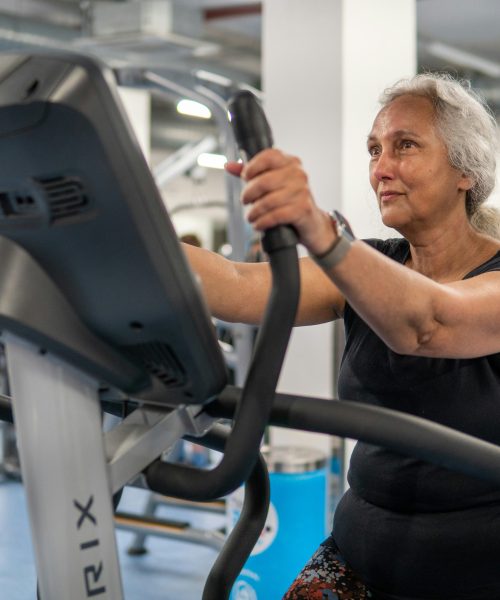
- Physical activity: walking, running, yoga
- Social connection: meaningful conversations, group activities
- Creative work or professional projects
Key takeaway: Mental health isn’t about a perfect balance every day—it’s about adjusting Yin and Yang according to what life demands.
Relationships Through Yin-Yang: The Dance of Giving and Receiving
Healthy relationships reflect Yin-Yang dynamics. Balance is key:
- Giving (Yin) and Receiving (Yang): Both matter. Too much giving causes burnout; too much receiving leads to dependence.
- Listening (Yin) and Expressing (Yang): Conversation flows best when we both reflect and act.
- Harmony (Yin) and Tension (Yang): Conflict is natural. Balanced tension can spark growth.
Recognizing Yin and Yang in partners, friends, or colleagues prevents rigid roles and one-sided dynamics. Awareness and mutual adjustment foster harmony.
Career and Productivity: Flowing With Yin-Yang Principles
Applying Yin-Yang in work life boosts efficiency and creativity:
- Action (Yang) and Planning (Yin): Pauses for reflection improve decisions.
- Growth (Yang) and Stability (Yin): Success comes from balancing innovation with structure.
- Leadership (Yang) and Support (Yin): Strong leadership guides, but collaboration sustains teams.
High performers often alternate periods of intense focus (Yang) with rest and recovery (Yin). This approach prevents burnout and sparks creative breakthroughs.
Physical Health: Balancing Energy in the Body With Yin-Yang
Traditional Chinese Medicine (TCM) uses Yin-Yang to maintain vitality:
- Diet: Mix warming, stimulating foods (Yang) with cooling, nourishing foods (Yin). Example: ginger and garlic (Yang) paired with cucumbers and leafy greens (Yin).
- Exercise: Combine vigorous activities (Yang) with gentle movements (Yin) like yoga or tai chi.
- Sleep & Circadian Rhythm: Align activity with daylight (Yang) and rest at night (Yin).
- Seasons: Summer favors outdoor Yang activities; winter encourages indoor Yin restoration.
Modern tools—fitness trackers, meditation apps, and energy planners—help monitor cycles and optimize energy for daily life.
Decision-Making: A Yin-Yang Mindset
Yin-Yang helps us make smarter choices:
- Avoid black-and-white thinking; most decisions exist on a spectrum.
- Observe natural cycles; outcomes evolve over time.
- Match your energy: sometimes patience (Yin) is better; sometimes action (Yang) is needed.
This mindset reduces impulsivity, fear of failure, and perfectionism. Decisions become thoughtful, strategic, and in tune with natural rhythms.
Cultural Awareness: Seeing Yin-Yang Globally
Different cultures express Yin and Yang in unique ways:
- Food: Spicy or warming (Yang) balanced with cool, mild dishes (Yin)
- Architecture: Solid, structured forms (Yang) paired with open, flowing spaces (Yin)
- Art & Design: Bold elements (Yang) contrast with quiet, empty spaces (Yin)
Appreciating these patterns builds empathy, tolerance, and a global perspective.
Personal Growth: Flow With Life
A Yin-Yang mindset fosters resilience:
- See the bigger picture: focus on cycles, not isolated events.
- Accept change: highs and lows, activity and rest, growth and stillness are natural.
- Adapt your approach: ask, “What does this moment need?” rather than “Which is better?”
By flowing with life instead of resisting it, creativity, clarity, and balance naturally emerge.
Conclusion: Life as a Yin-Yang Dance
Yin-Yang surrounds us in daily life: work and rest, social interaction and solitude, movement and stillness, tension and harmony. Life is a dynamic interplay of complementary forces.
Integrating Yin-Yang into mental health, relationships, work, health, decision-making, and cultural awareness aligns us with natural rhythms. The goal isn’t perfection—it’s dynamic harmony: flexible, adaptive, and evolving.
Yin-Yang wisdom is timeless: pause when needed, act when called, reflect thoughtfully, and engage fully. Life becomes a conscious dance of energies, offering clarity, peace, and freedom to navigate the modern world gracefully.
You may also read:Unlock Yin-Yang: Ancient Wisdom for Life, Nature, and Harmony