

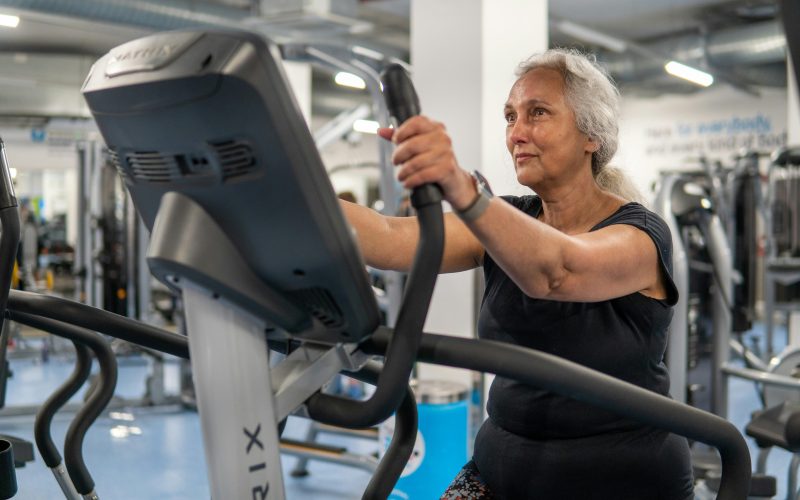
Essential exercise after 60 is more than just taking daily walks. Walking is low-impact, easy to start, and supports cardiovascular health.
However, orthopedists emphasize that walking alone is insufficient. Maintaining balance, mobility, and independence requires strength, resistance, and balance training alongside walking. These exercises protect muscles, bones, and joints while reducing the risk of falls.
Walking helps heart health and joint mobility, but muscle mass naturally declines with age—a process called sarcopenia. Without targeted strength training, adults over 60 may lose functional strength, making everyday activities like lifting groceries, climbing stairs, or standing from a chair increasingly challenging.
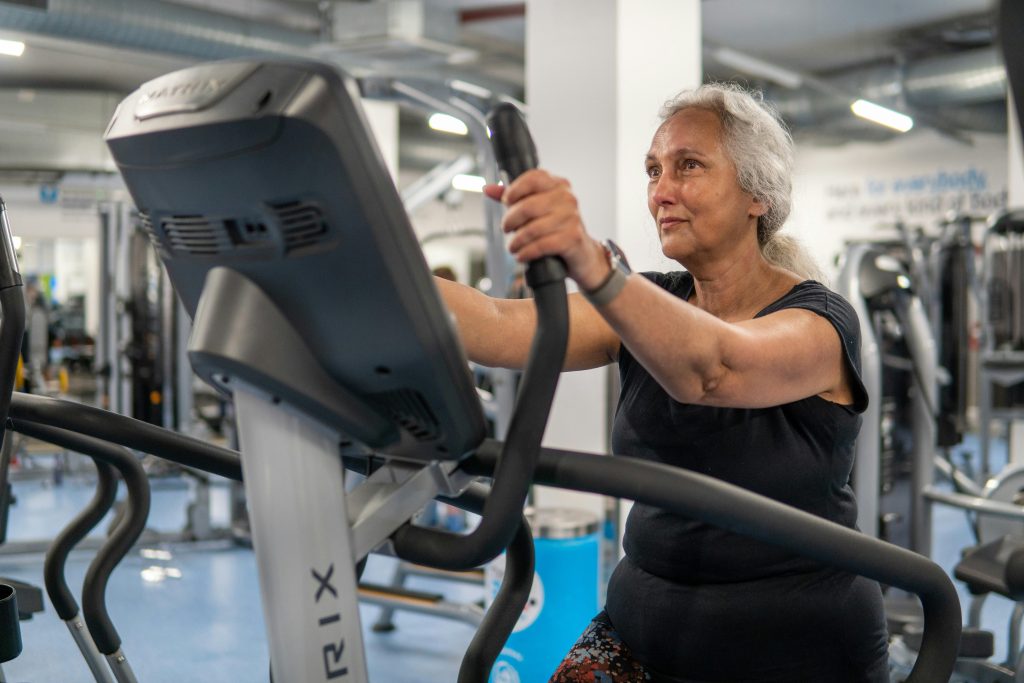
Why Essential Exercise After 60 Goes Beyond Walking
Essential exercise after 60 should counteract age-related muscle loss. Walking improves endurance but does little for core or upper body strength. Studies show adults can lose 3–5% of muscle mass per decade if they don’t engage in resistance exercises. Over time, this decreases balance, increases fall risk, and reduces overall independence.
Walking primarily works lower-body endurance muscles but doesn’t train the fast-twitch fibers needed for quick reactions. Without these, slips and stumbles become more dangerous. Combining walking with strength and balance exercises creates a safer and more effective routine.
Strength Training: The Core of Essential Exercise After 60
Essential exercise after 60 must include muscle-building routines. Strength training offers multiple benefits:
- Preserves and rebuilds muscle mass
- Supports bone density and joint health
- Improves balance and coordination
- Enhances the ability to perform daily activities
Functional exercises like squats, lunges, push-ups, and light weightlifting target major muscle groups. Core exercises—planks, bridges, and seated torso twists—stabilize the spine and reduce fall risk. Resistance bands, light dumbbells, or bodyweight exercises are sufficient for most adults.
Tip: Schedule two to three strength sessions per week, targeting different muscle groups, combined with regular walking. This creates a balanced regimen supporting both cardiovascular and muscular health.
Combining Cardio and Strength
Walking remains important as part of essential exercise after 60, providing cardiovascular and mental benefits. Pairing walking with resistance exercises optimizes results. A sample weekly plan could include:
- Monday: 30-minute brisk walk + 20 minutes of light resistance training
- Wednesday: Core and balance exercises (planks, leg raises)
- Friday: 30-minute walk + functional strength exercises (squats, lunges)
- Saturday/Sunday: Optional walk or recreational activity (swimming, cycling, or yoga)
Consistency is more important than intensity. Regular, moderate exercise dramatically improves mobility, strength, and overall health.
Balance and Fall Prevention in Essential Exercise After 60
Falls are a leading cause of injury for adults over 60. Essential exercise after 60 emphasizes balance as much as strength. Recommended balance exercises include:
- Single-leg stands: Stand on one foot with chair support
- Heel-to-toe walking: Improves coordination
- Tai Chi or gentle yoga: Enhances body awareness
These exercises reduce fall risk, boost confidence, and help maintain independence. Strong balance supports safe movement on stairs, uneven terrain, and in crowded areas.
Nutrition and Recovery for Essential Exercise After 60
Essential exercise after 60 is most effective when combined with proper nutrition and recovery:
- Protein: Supports muscle repair and growth (lean meats, fish, eggs, beans, dairy)
- Calcium & Vitamin D: Strengthen bones and prevent fractures
- Hydration: Supports joint and muscle function
- Sleep: 7–8 hours nightly aids recovery and energy
Recovery is critical—muscles grow and repair between sessions. Adequate nutrition and sleep optimize the benefits of strength, balance, and cardiovascular exercises.
Safety Tips for Essential Exercise After 60
Before starting a new routine, consult a healthcare provider or physical therapist. Key safety tips:
- Start slowly with light weights or resistance bands
- Focus on proper form to prevent injury
- Schedule rest days to allow recovery
- Listen to your body: mild soreness is normal; sharp pain is not
- Combine with cardio for overall fitness
Following these tips allows safe integration of strength and balance exercises into weekly routines.
Mental and Emotional Benefits of Essential Exercise After 60
Exercise after 60 strengthens more than the body. Strength training combined with walking can:
- Reduce stress and elevate mood
- Improve memory, focus, and cognitive function
- Enhance sleep quality
- Provide structure and a sense of accomplishment
Social benefits also emerge—group walks, yoga classes, or community programs combat loneliness and enhance emotional well-being.
Key Takeaways: Beyond Walking
Walking is a great start, but it’s just the beginning. Essential exercise after 60 combines:
- Strength training to preserve muscle and bone
- Core and balance exercises to prevent falls
- Cardiovascular activity to support heart and lung health
Integrating walking, resistance training, balance work, and proper nutrition helps maintain independence, prevent injury, and improve quality of life well into the 60s and beyond. Walking forms the foundation; resistance exercises are the pillars supporting long-term mobility and health.
You may also read:Weight Loss Diet Secrets: How to Eat Right and Slim Down