
Yin-Yang is more than philosophy—it is a practical blueprint for holistic health and longevity. Traditional Chinese Medicine applies Yin-Yang to diet, exercise, sleep, emotions, and seasonal routines. Understanding Yin-Yang helps us align with body, mind, and natural rhythms.
Modern medicine often targets symptoms. Yin-Yang emphasizes balance, flow, and the interaction of internal and external forces. Illness is disharmony; health is dynamic equilibrium. Aligning with Yin-Yang supports vitality, prevents disease, and strengthens mental and emotional resilience.
The Yin-Yang Framework of Health
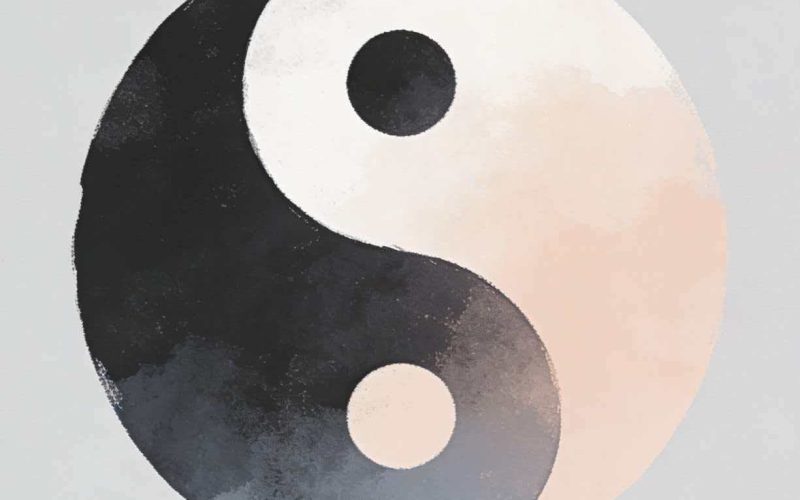
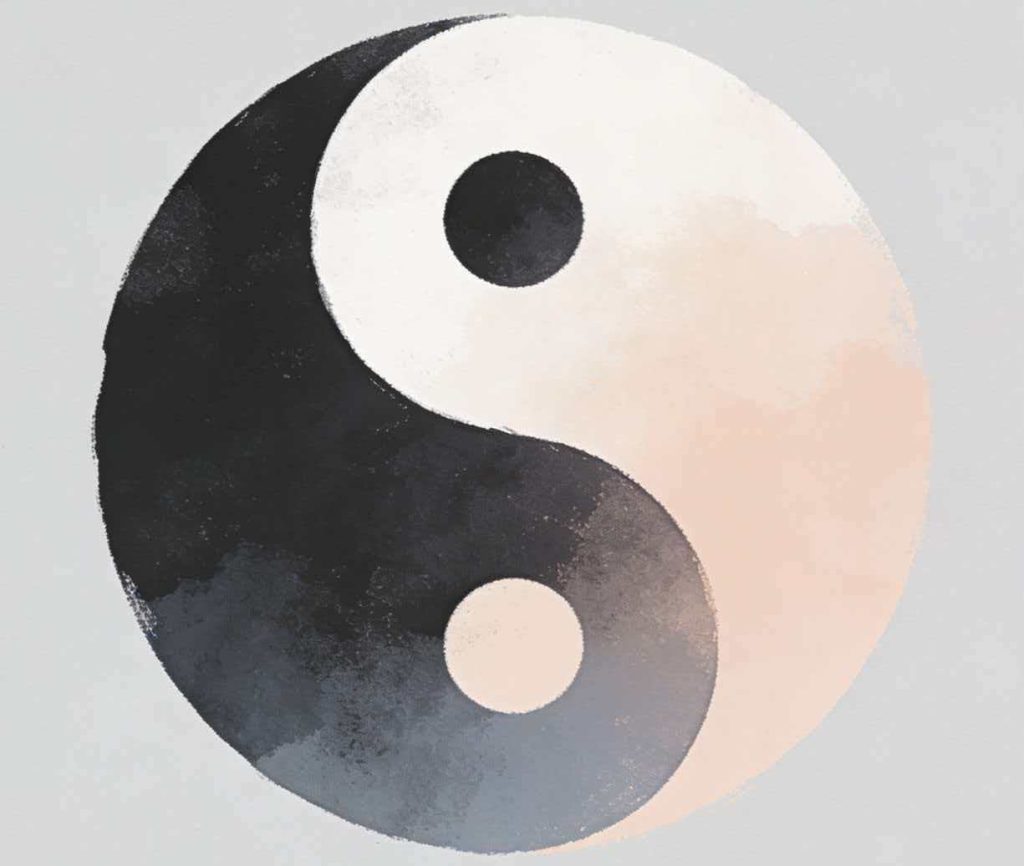
In TCM, Yin and Yang represent essential energy:
- Yin: Cooling, nourishing, restorative. Supports sleep, immunity, and introspection.
- Yang: Warming, active, dynamic. Drives metabolism, circulation, movement, and creativity.
Optimal health arises from balance. Too much Yang causes inflammation, restlessness, or overexertion. Excess Yin may lead to fatigue, cold extremities, or low motivation. True wellness adapts to both internal and external conditions.
Daily Practices for Yin-Yang Health
Small, intentional adjustments in lifestyle can harmonize energies:
Dietary Balance
Food carries Yin and Yang qualities. Align diet with seasonal energy:
- Yang foods: Ginger, garlic, onions, lamb, chili, and warming grains promote circulation and activity.
- Yin foods: Cucumbers, watermelon, spinach, tofu, and cooling herbs nourish fluids, calm internal heat, and support restorative processes.
Seasonal tip: In summer, emphasize cooling Yin foods; in winter, favor warming Yang foods. Meals are opportunities to harmonize energies and maintain vitality.
Exercise and Movement
Balance high Yang activity with Yin restoration:
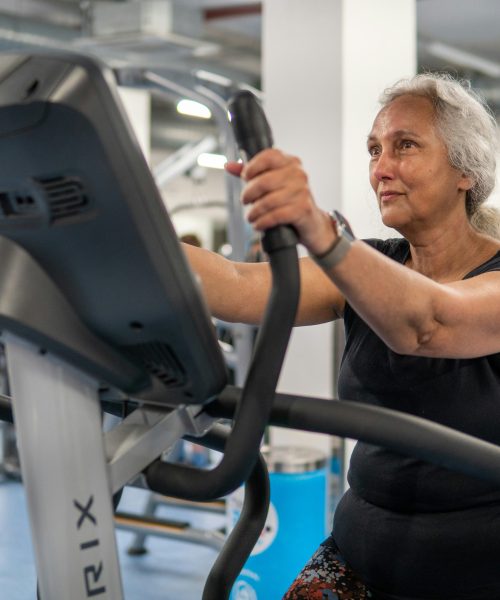
- Yang movement: Running, strength training, aerobic activity, and competitive sports energize and build resilience.
- Yin movement: Tai chi, yoga, stretching, walking, or gentle swimming nurture flexibility, calm the nervous system, and promote recovery.
Even brief stretching or meditation replenishes Yin amid a busy lifestyle.
Sleep and Circadian Rhythm
Sleep embodies Yin: restorative, cooling, and nourishing.
- Be active during daylight (Yang)
- Rest at night (Yin)
- Adjust routines seasonally to align with light and temperature
Proper sleep patterns restore energy and mental clarity.
Emotions and Mental Energy
Emotions reflect Yin-Yang dynamics:
- Excessive Yang: Anger, anxiety, impulsivity. Yin practices like meditation and reflection restore calm.
- Excessive Yin: Lethargy, withdrawal. Yang activities such as social engagement and creative projects stimulate energy.
Recognizing emotional cycles encourages self-compassion and proactive balance.
Seasonal Living
Seasons carry Yin or Yang energy:
- Spring (Yang rising): Growth, creativity, renewal. Light Yang activity.
- Summer (Yang peak): Maximum outward energy. Balance with Yin foods.
- Autumn (Yin rising): Energy contracts. Emphasize reflection and internal nourishment.
- Winter (Yin peak): Rest, recovery, and conservation. Gentle movement and warming foods.
Living in harmony with seasonal energy strengthens resilience and overall performance.
Holistic Practices: Integrating Yin-Yang
Daily life offers opportunities to apply Yin-Yang principles:
- Mindful eating: choose foods based on energy needs
- Work and rest cycles: alternate effort (Yang) and restorative breaks (Yin)
- Social engagement: balance activity (Yang) and solitude (Yin)
- Creative pursuits: alternate active creation (Yang) and reflection (Yin)
These micro-practices enhance long-term vitality and harmony.
Yin-Yang in Personal Philosophy
Yin-Yang shapes life philosophy:
- Extremes naturally transform into opposites
- Challenges are part of a dynamic whole
- Adapt energy and approach with flexibility, patience, and strategy
A Yin-Yang mindset nurtures resilience and clarity, helping navigate uncertainty with composure.
Conclusion: Living in Harmony
Health, energy, and well-being are dynamic, interdependent, and cyclical. Harmonizing diet, movement, sleep, emotions, and seasonal routines aligns us with the natural flow of life.
Living with Yin-Yang means resting when needed, acting when called, reflecting when appropriate, and engaging fully. This approach fosters holistic wellness, resilience, and timeless wisdom, connecting life, nature, and human potential.