
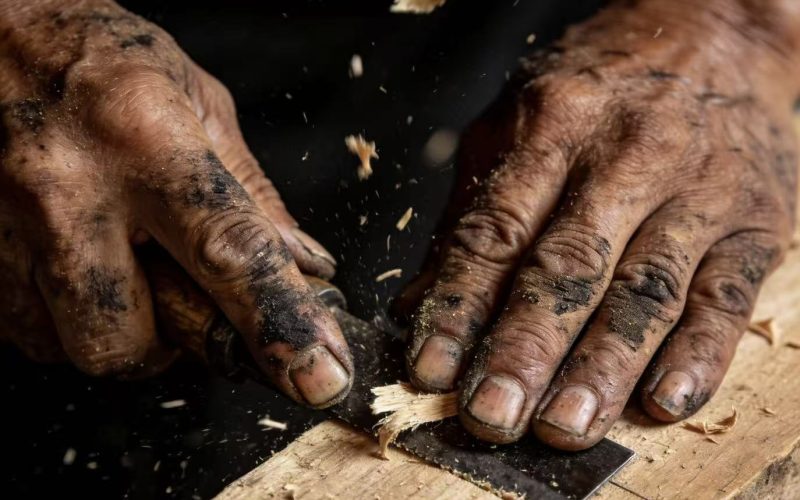
KHULNA, Bangladesh, March 20, 2026 — Along the muddy banks of the Kopotakkho River, the sound of hammers echoes across the water. Men in lungis balance on half-finished hulls, applying tar and replacing rotten planks. The annual golpata (nypa palm) harvest season began this month in the Sundarbans, and for a few weeks each year, Bangladesh’s wooden boat-building tradition comes briefly back to life.
But for how much longer?
A Compressed Harvest
The bawalis—traditional forest-dependent collectors who venture into the world’s largest mangrove forest to harvest golpata—are preparing for a compressed 28-day season that began March 3 and runs through March 31. Unlike last year’s 56-day window split into two phases, this year’s single-phase, shorter duration was imposed by the Forest Department to reduce pressure on the fragile Sundarbans ecosystem.
For the bawalis, that means the same work in half the time. And for the few remaining wooden boat builders who keep their vessels afloat, it’s a stark reminder of a dying way of life.
The High Cost of Building
The vessels used for golpata collection are not ordinary rivercraft. Known locally as “boronouka” or “petkatanouka,” these large wooden cargo boats are built specifically for navigating the Sundarbans’ complex network of tidal rivers and creeks. They carry up to 500 maunds (186 quintals) of golpata per trip—but they do little else.
“These boats cannot be used for other purposes. After the season, they remain idle on riverbanks,” said Abdul Gani, a bawali from Koyra upazila, whose 14-year-old boat costs over 100,000 taka (approximately $900) to repair each season. Building a new one would cost nearly 700,000 taka—a fortune in rural Bangladesh.
This economic reality is driving the tradition toward extinction. Unlike the small “kosa boats” used by villagers during monsoon floods—which sell for 6,000-7,000 taka and see steady demand when water levels rise—these massive cargo vessels have only one purpose and one season.
Rising Costs
This year’s shortened harvest period has added financial pressure to an already difficult livelihood.
“A single boat requires 10 to 11 drums of tar, costing around 40,000 taka, besides labor, wood, iron and government revenue fees. Overall, it costs more than 300,000 taka to bring one boatload of golpata,” said Kamrul Islam, another bawali preparing for the season.
With only 28 days to collect and transport their harvest, the bawalis must work faster than ever. The Sundarbans Bawali Federation has expressed concern that the reduced timeframe will squeeze already struggling forest-dependent communities.
Forest officials defend the decision, saying the shorter duration aims to reduce pressure on the mangrove forest ecosystem, and warn that carrying excess golpata beyond permitted limits will result in double fines.
Vanishing Boats
The challenges facing the bawalis and their wooden boats reflect a broader crisis across Bangladesh’s waterways.
“Traditional sailboats in Bangladesh stand on the edge of extinction, overshadowed by the rise of engine-powered vessels,” bdnews24.com reported earlier this month. Yet on the Buriganga River, these graceful boats still appear, their sails billowing—reminders of what’s being lost.
In Nawabganj, boat maker Md Billal Hossain is busy producing small kosa boats for villagers facing monsoon floods, selling 2-3 daily at 6,000-7,000 taka each. His business survives because rural demand remains—when roads flood, boats become the only transport. But even he acknowledges the bigger picture: the craftsmen are aging, and the young are leaving.
A Craft with No Successor
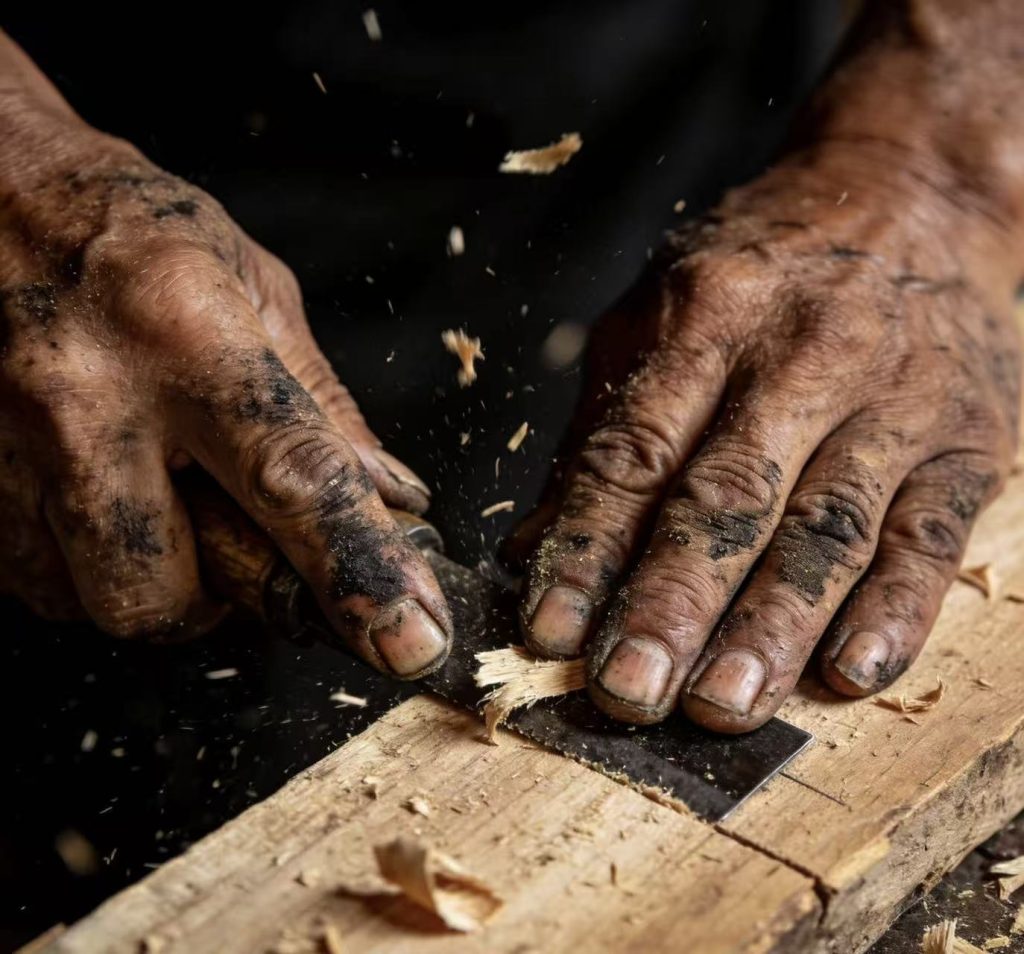
Unlike the kosa boats that serve general villagers, the specialized cargo boats of the Sundarbans serve a specific community with a specific purpose. The bawalis depend on them. The Forest Department regulates them. And a small group of elderly craftsmen still know how to build and repair them.
But there is no training program for new boat builders. No government initiative to preserve the knowledge. No economic model that makes wooden boats competitive with fiberglass and steel.
The pre-season repair period is now in full swing along the Kopotakkho, Shakbaria, and Koyra Rivers. By month’s end, the boats will return, the bawalis will unload their golpata, and the vessels will sit idle again on riverbanks, waiting for next year.
How many more years they’ll wait—and who will repair them when they do—is a question no one here can answer.