
If you are new to Yin-Yang philosophy, it may seem deceptively simple: two words, one black-and-white circle symbolizing balance.
Many people encounter it on yoga mats, decorative items, or wellness websites and assume it is merely a trendy Eastern mysticism symbol. However, Yin-Yang is far more than a visual icon. It is a profound, universal framework for understanding the world around us and the world within us.
Yin-Yang explains why day turns into night, why tides rise and fall, why our energy fluctuates, and why cooperation and conflict exist in relationships, natural processes, and human endeavors. At its core, Yin-Yang embodies unity in duality: opposing forces are not enemies—they are complementary, interdependent, and dynamic components of a living whole.
This concept observes patterns at every scale—from microscopic cellular oscillations to seasonal cycles of the Earth, to societal flows of power, creativity, and collaboration. Yin-Yang offers a lens to navigate complexity, uncertainty, and change in a fast-paced, often overwhelming world.
Clearing Misconceptions About Yin-Yang
Many beginners assume that Yin-Yang is about morality, good versus evil, or “positive” versus “negative” forces. This is a misconception. Yin-Yang is not a moral scale. It does not judge better or worse. Instead, it is a framework to observe transformation, interconnection, and flow in all aspects of life.
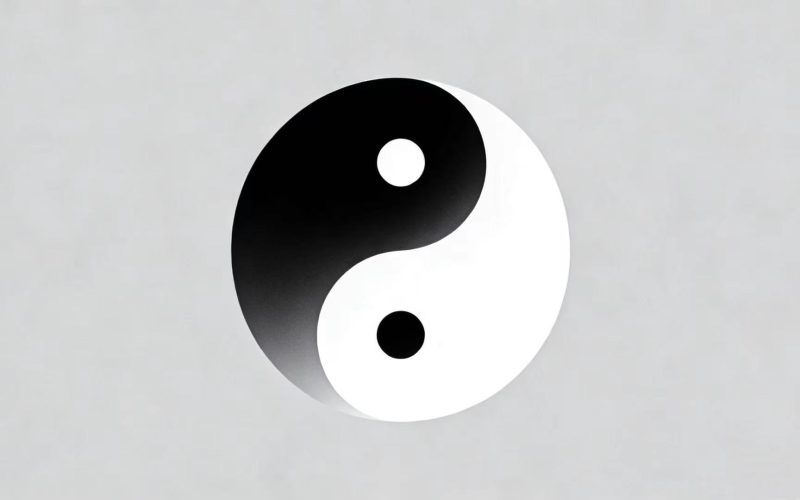
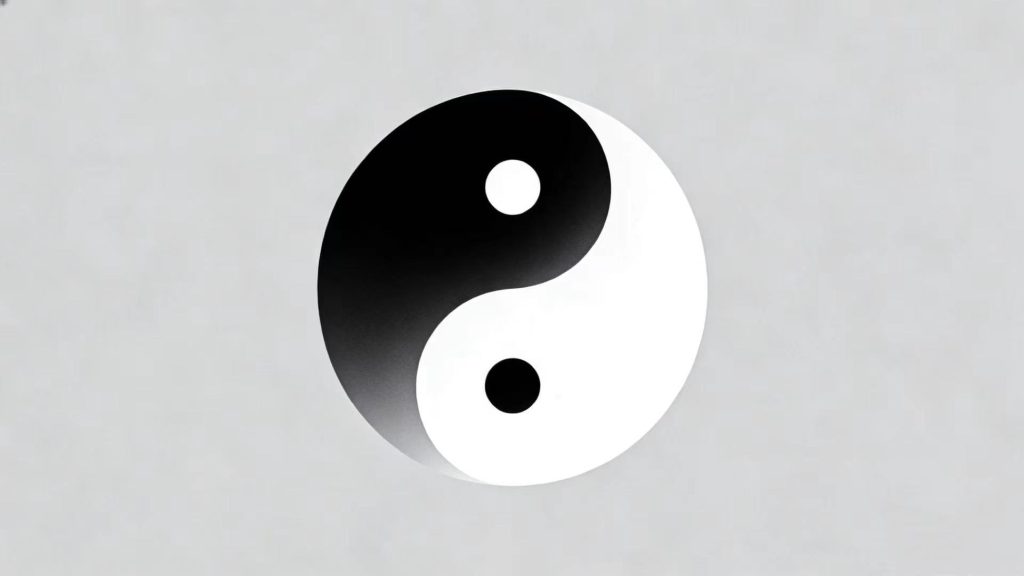
The classic Yin-Yang symbol—black and white halves swirling together, each containing a small dot of the other—perfectly illustrates this philosophy:
- Yin (black): Receptive, cool, quiet, nourishing energy. Represents night, winter, stillness, water, introspection, and rest.
- Yang (white): Active, warm, dynamic, creative energy. Represents day, summer, movement, fire, extroversion, ambition, and strength.
The dots in each half signify that Yin contains Yang and Yang contains Yin. Even in the darkest night, light exists somewhere. Even in the brightest day, shadows remain. This emphasizes interdependence and continual transformation.
The Three Universal Laws of Yin-Yang
Yin-Yang is more than philosophy; it provides a practical guide for life, energy, and change. Its wisdom is captured in three universal laws: interdependence, mutual transformation, and dynamic balance.
1. Interdependence: No Force Exists Alone
Think of a tree. Roots represent Yin: grounded, absorbing water and nutrients. Branches represent Yang: reaching upward, capturing sunlight, and producing energy. Without roots, branches wither; without branches, roots stagnate. Yin and Yang are complementary, interdependent forces.
In daily life:
- Work (Yang) and Rest (Yin): Rest restores creativity; work gives rest purpose.
- Outward Energy (Yang) and Inner Stillness (Yin): Extroverts need solitude to recharge; introverts need social interaction for emotional balance.
- Strength (Yang) and Flexibility (Yin): Rigid systems break; adaptable systems survive and thrive.
Even technology follows this law: hardware (Yin) and software (Yang) rely on each other. Businesses and societies thrive when stable structures coexist with innovative initiatives.
2. Mutual Transformation: Change Is Constant
The second law of Yin-Yang is transformation. Yin and Yang constantly flow and shift into each other. Extreme Yin becomes Yang; extreme Yang returns to Yin. This cyclical law appears in nature, human experience, and energy patterns.
Daily cycles:
- Morning: Yang rises, bringing energy and focus.
- Afternoon: Yang declines; Yin grows, fostering calm and reflection.
- Night: Yin peaks; sleep restores Yang.
Seasonal cycles:
- Spring: Yin transitions to Yang; life awakens.
- Summer: Yang dominates; energy and activity peak.
- Autumn: Yang turns to Yin; growth slows.
- Winter: Yin peaks; energy rests for renewal.
Human experiences:
- Anger (extreme Yang) → reflection (Yin)
- Success (peak Yang) → introspection (Yin)
- Inactivity (extreme Yin) → bursts of creativity and action (Yang)
Recognizing this law encourages patience and reduces stress. Extremes naturally give way to balance.
3. Dynamic Balance: Flow Over Rigidity
The third law emphasizes flow and adaptability. Life is never fixed; resisting natural rhythms creates tension, while following them promotes harmony.
Applications of dynamic balance:
- Health: Alternate activity (Yang) and rest (Yin) to maintain energy.
- Emotions: Joy and sadness complement each other, building resilience.
- Work and creativity: Pushing too hard (Yang) without breaks (Yin) leads to fatigue and reduced output.
By observing cycles of Yin-Yang, we can make better decisions, improve emotional intelligence, and align with natural rhythms to live more effectively.
Applying Yin-Yang in Modern Life
Yin-Yang is not just theoretical; it offers practical guidance:
- Energy management: Push forward during high Yang periods; rest during Yin periods.
- Work-life balance: Alternate periods of intense work with rest and reflection.
- Relationships: Recognize interdependence and complementary differences.
- Personal growth: Understand cycles of action and reflection; embrace both for learning and creativity.
Aligning with Yin-Yang principles helps reduce stress, enhance clarity, and live in harmony with natural patterns. It is timeless wisdom that bridges ancient philosophy with modern life, offering tools for balance, insight, and fulfillment.