

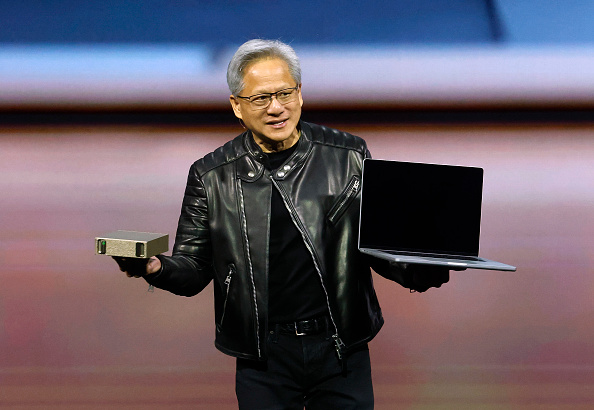
SANTA CLARA, Calif. — NVIDIA, the company that has long played the role of “pickaxe seller” in the AI gold rush, has now decided to go mining for gold itself. According to financial documents filed with the U.S. Securities and Exchange Commission (SEC), NVIDIA will invest a cumulative $26 billion over the next five years to aggressively advance the development of open-source AI large language models.
This investment scale far exceeds the estimated $3 billion OpenAI spent training GPT-4, marking a dramatic shift for the chip giant from enabler to direct participant—a move that completely redraws the industry’s boundaries.
The Big Story: NVIDIA’s “Identity Revolution”
For years, NVIDIA has been seen as the ultimate “pickaxe seller” of the AI boom—supplying indispensable GPU chips to “gold miners” like OpenAI, Google, and Meta. Powered by star products like the H100 and B200, the company’s market value once surpassed $3 trillion, making it one of the biggest beneficiaries of the current AI wave.
But the newly disclosed SEC filings reveal NVIDIA is no longer content to be a behind-the-scenes player. The $26 billion investment over five years will cover the entire AI model value chain, from foundational model R&D to application ecosystem development.
“This move completely shatters NVIDIA’s ‘pickaxe seller’ image,” noted industry analysts. “They are transitioning from enabler to a direct competitor in the model race. This will reshape the power dynamics and competitive relationships across the entire AI industry.”
Why It Matters: 4 Key Takeaways
1. 🤯 An Investment That Shakes the Industry
What does $26 billion actually mean? It’s equivalent to:
8.6 times OpenAI’s GPT-4 training cost
More than many countries’ entire annual AI R&D budgets
Enough to fund multiple cutting-edge AI labs for years
This massive investment in open-source models will accelerate the democratization of frontier AI technology and significantly lower barriers to entry across the industry.
2. 🏭 The Rise of “Full-Stack Hegemony”
NVIDIA’s ambition extends far beyond chips. By developing its own large models, the company is building a complete闭环 (closed loop) spanning:
CUDA ecosystem → Hardware computing power → Foundation models → Developer community
This could further cement NVIDIA’s ecosystem dominance. Competitors will now have to compete not just at the chip level, but at the model level too. Some observers worry that despite the “open-source” label, real control may still rest firmly with NVIDIA.
3. 📉 The Awkward Dance: Customers Become Rivals
This strategic pivot will redefine NVIDIA’s relationship with its existing customers. Former “clients + partners” (like OpenAI, Anthropic, and Google) may now become direct competitors in certain areas.
Wall Street analysts are already asking tough questions: When NVIDIA sells both chips and models, how can it guarantee fair treatment for other model providers?
4. 🚀 GTC 2026: A Blitz of Announcements
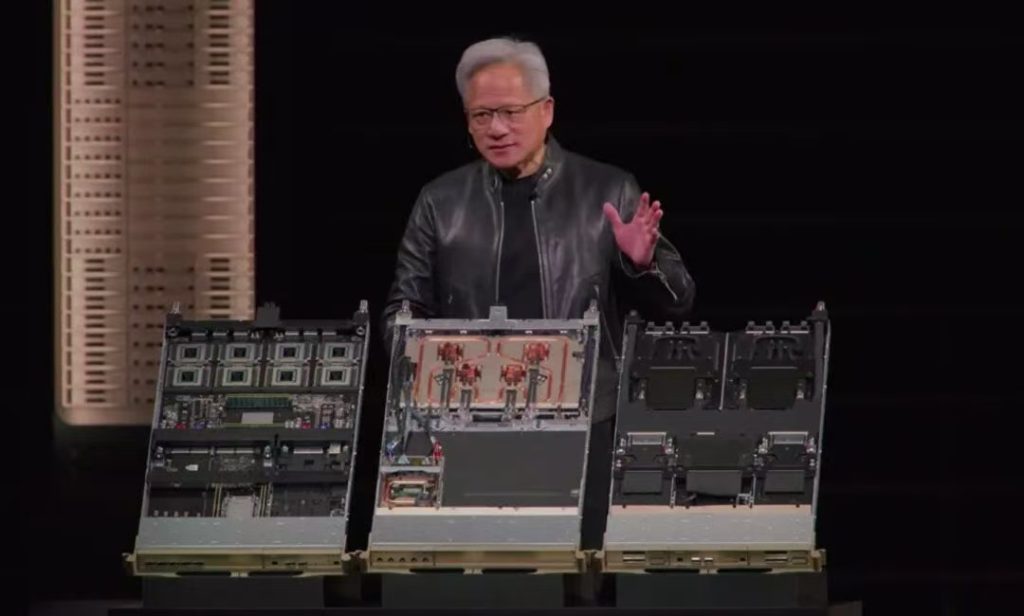
At this week’s GTC 2026 conference, Jensen Huang unveiled a barrage of new products, raised performance expectations, and even set his sights on trillion-dollar revenue. Highlights include:
New neural rendering technology: DLSS 5
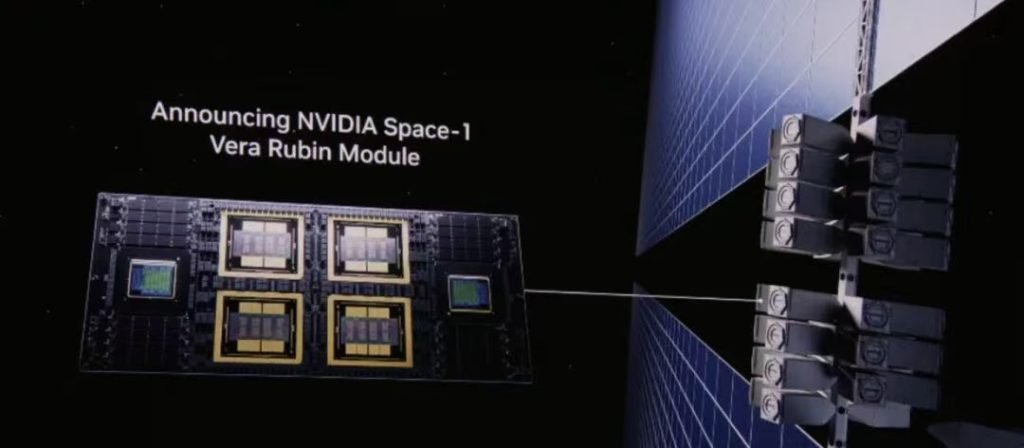
An ambitious “Space Computing” initiative—data centers being deployed into orbit
Industry Fallout: How Players Are Reacting
Competitors:
OpenAI is in talks with private equity firms to establish a joint AI venture
Meta announced a massive $27 billion deal to purchase AI infrastructure services from Nebius
Alibaba launched Alibaba Token Hub, doubling down on its AI布局 (AI strategy)
Wall Street:
Counterpoint predicts AI ASICs will drive 35x growth in HBM memory demand over four years
Bank of America forecasts humanoid robot shipments could grow 86% year-over-year over the next five years, with total units surpassing automobiles by 2060
Analyst Insight:
“NVIDIA is playing 3D chess,” said a Silicon Valley chip analyst. “They have a moat in hardware, an ecosystem in software, and now they want a voice in the model layer. They’re building the ‘Microsoft + Intel’ of the AI era—all in one.”
Data Visualization: The AI Arms Race Heats Up
Major AI Players’ Investments (Next 5 Years)
├── NVIDIA: $26 billion (in-house model development)
├── Meta: $27 billion (Nebius infrastructure deal)
├── OpenAI: Undisclosed joint venture talks
└── Microsoft: Continued Azure+OpenAI investment
3 Things to Watch
🔮 How good will the first models be? Expected by late 2026 at the earliest, can NVIDIA’s open-source models rival GPT-5 or Gemini 2.0?
🔮 How will customer relationships evolve? When the “pickaxe seller” starts “mining gold,” will OpenAI and others remain loyal chip buyers?
🔮 Antitrust risks on the horizon? Full-stack control—from chips to models—could attract regulatory scrutiny worldwide.
The Bottom Line
NVIDIA’s $26 billion gamble signals a new phase in the AI industry: the era of full-stack, integrated competition has arrived.
For investors: NVIDIA’s shift from a “chip stock” to a “platform stock” could unlock new valuation potential—but also brings new execution risks.
For developers: More open-source models mean more choices, but also the risk of new ecosystem lock-in.
For competitors: The scariest thing isn’t NVIDIA’s chips—it’s what NVIDIA decides to do with them.
The AI power game has only just begun.