
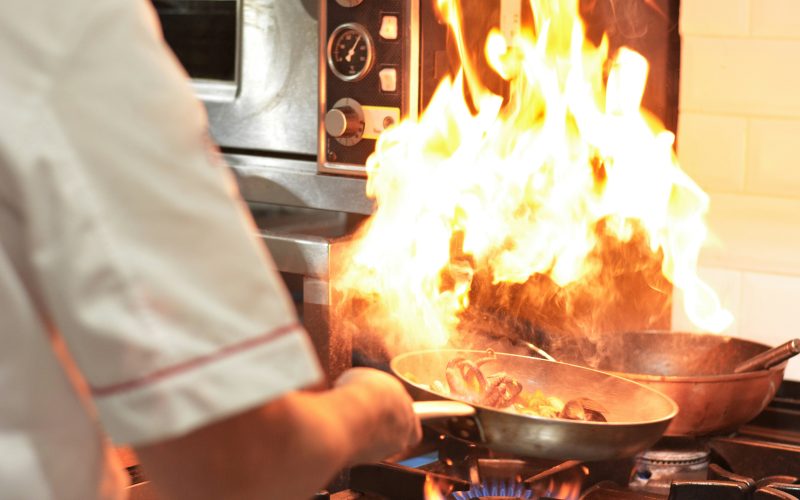
Grease fire safety is one of the most important skills every household should learn.
Kitchen fires can start in seconds, especially when cooking with oil. Many people panic and throw water on the flames, but this mistake can make the fire spread fast.
Understanding grease fire safety helps you act quickly and safely, protecting your home and your family.
This guide shows simple steps you can follow. Anyone can learn them.
What Is a Grease Fire
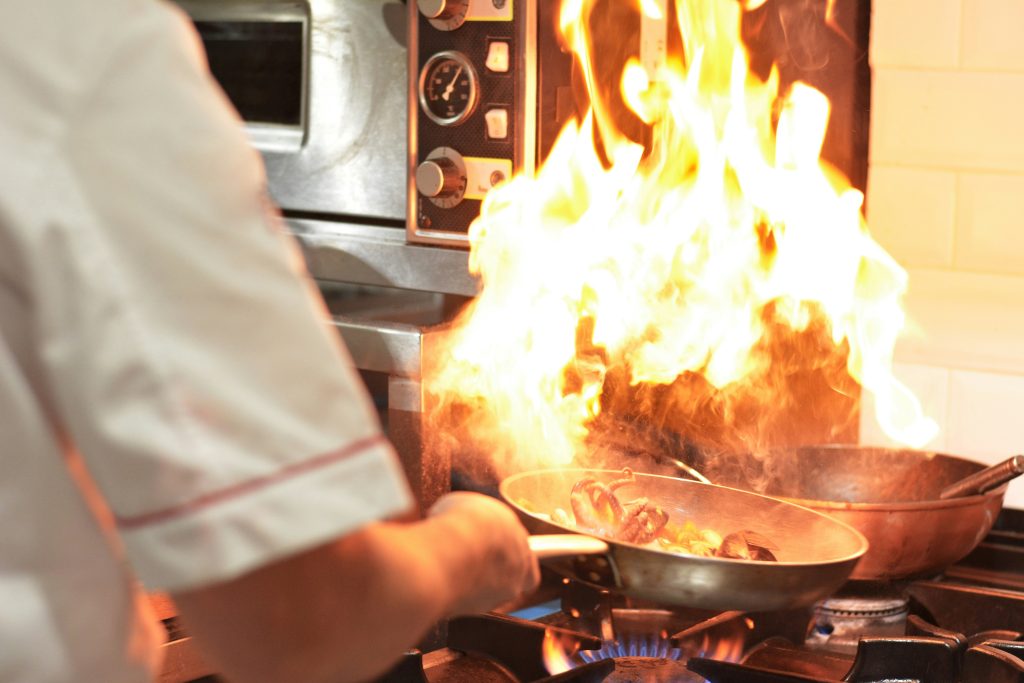
A grease fire happens when cooking oil gets too hot. Oil can ignite quickly if left unattended.
Common causes include:
- Overheated oil
- Wet food dropped into hot oil
- Cooking without supervision
Grease fires are dangerous because they spread fast and burn very hot.
Why Water Is Dangerous in Grease Fire Safety
Water should never be used in grease fire safety.
Oil and water do not mix. Oil stays on top. Water sinks below.
When water hits hot oil, it turns into steam instantly. This creates a powerful burst. Burning oil splashes into the air.
This can:
- Spread fire across the kitchen
- Cause serious burns
- Ignite nearby objects
Never use water on a grease fire. This is the most important rule.
Grease Fire Safety: How to Put Out a Grease Fire
Follow these steps carefully.
1. Turn Off the Heat
Stop the heat source right away.
Turn off the stove or gas.
This prevents the fire from growing.
2. Cover the Pan
Use a metal lid or baking tray.
Slide it over the pan from the side.
This cuts off oxygen and stops the fire.
Do not place it from above. Flames can flare outward.
3. Use Baking Soda or Salt
For small fires, sprinkle baking soda or salt.
These help smother the flames safely.
Do not use flour or sugar. They can burn.
4. Use a Fire Extinguisher
A dry chemical fire extinguisher is effective.
Stand at a safe distance.
Aim at the base of the fire.
5. Let the Pan Cool
Do not remove the lid too soon.
Heat can restart the fire.
Wait until everything is fully cool.
Grease Fire Safety and Electrical Fire Risks
Grease fire safety also connects to electrical fire risks. Many kitchens have appliances nearby.
Electrical fires can start from:
- Power outlets
- Damaged wires
- Chargers
- Appliances
These fires require different handling.
How to Handle an Electrical Fire Safely
Electrical fires need extra care.
1. Turn Off the Power First
Cut electricity at the breaker.
Or unplug the device if safe.
This is the first and most important step.
2. Use Safe Fire Control Methods
After power is off:
- Use a fire extinguisher
- Or cover with a damp cloth
3. If Power Is Still On
Never use water.
Water conducts electricity and can shock you.
Use only:
- Dry chemical extinguisher
- CO₂ extinguisher
4. Leave If It Is Not Safe
If the fire grows, leave immediately.
Your safety is more important than property.
When to Stop and Evacuate
Grease fire safety also means knowing when to leave.
Get out if:
- Flames spread quickly
- Smoke fills the space
- You feel unsafe
Safe Escape Tips
- Cover your nose and mouth with a wet cloth
- Stay low while moving
- Close doors behind you
- Call emergency services
Do not try to fight large fires.
Fire Extinguishers and Grease Fire Safety
A fire extinguisher is essential for grease fire safety.
Keep one in:
- The kitchen
- Near exits
How to Use It (PASS Method)
- Pull the pin
- Aim at the base
- Squeeze the handle
- Sweep side to side
Practice helps you respond faster.
Daily Habits That Improve Grease Fire Safety
Prevention is the best protection.
Follow these simple habits:
- Never leave cooking unattended
- Avoid overheating oil
- Keep flammable items away
- Do not overload outlets
- Check wires regularly
Small habits reduce big risks.
Common Grease Fire Safety Mistakes
Avoid these common errors:
- Throwing water on a grease fire
- Ignoring small flames
- Using the wrong extinguisher
- Acting too slowly
- Taking unnecessary risks
Knowing mistakes helps you stay safe.
Why Grease Fire Safety Saves Lives
Grease fire safety is simple but powerful.
Fires grow fast. Seconds matter.
The right action can stop a fire early. The wrong action can make it worse.
Learning grease fire safety protects your home. It also protects the people inside it.
Stay prepared. Stay calm. Act smart.