
When most people think about losing weight, they immediately consider intense workouts, strict dieting, or trendy programs. While exercise is important for overall health, research consistently shows that a well-planned weight loss diet is the most effective way to achieve sustainable fat loss.
Exercise alone rarely offsets poor eating habits, and no matter how much you work out, losing weight can become slow, frustrating, or even impossible.
A smart approach focuses on choosing the right foods, controlling portions, and building habits that can be maintained long term. Extreme dieting or skipping meals may provide short-term results, but they often lead to rebound weight gain, fatigue, or nutrient deficiencies. The key is to eat wisely, stay satisfied, and maintain energy throughout the day.
Why Protein Is Essential in a Weight Loss Diet
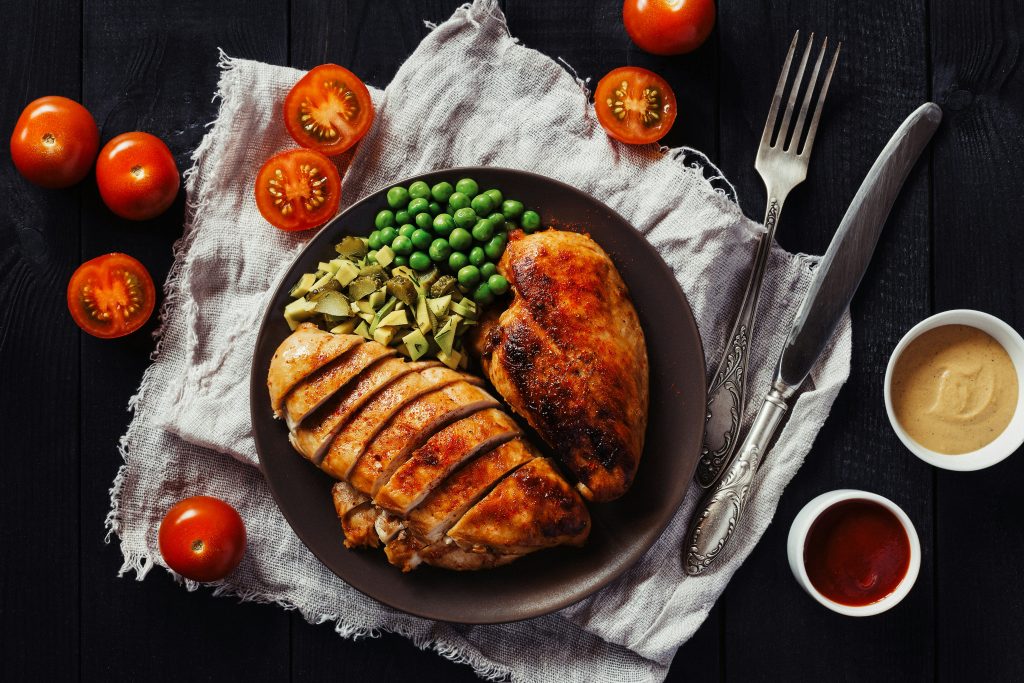
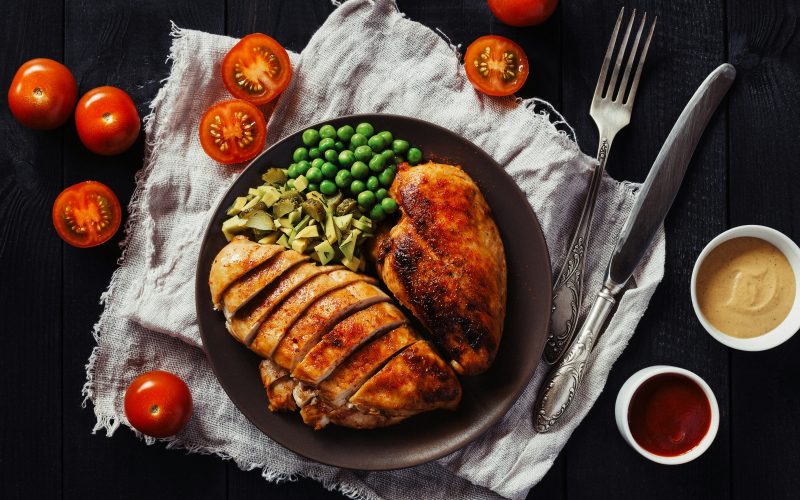
Protein is a cornerstone of any effective weight loss diet. It helps you feel full longer, reduces cravings, and protects muscle mass. Maintaining muscle is crucial because muscle burns more calories than fat, even at rest.
Good protein sources include:
- Chicken breast
- Fish and seafood
- Eggs
- Tofu and soy products
- Lean meats
- Unsweetened yogurt
Including protein in every meal makes sticking to your diet easier. It supports fat loss while keeping energy levels high. People often underestimate the value of protein, but it is not just for bodybuilders—protein benefits anyone looking to lose fat efficiently.
Tip: Spread protein intake across all meals to maximize satiety and muscle preservation.
Vegetables: Low-Calorie Powerhouses for Your Weight Loss Diet
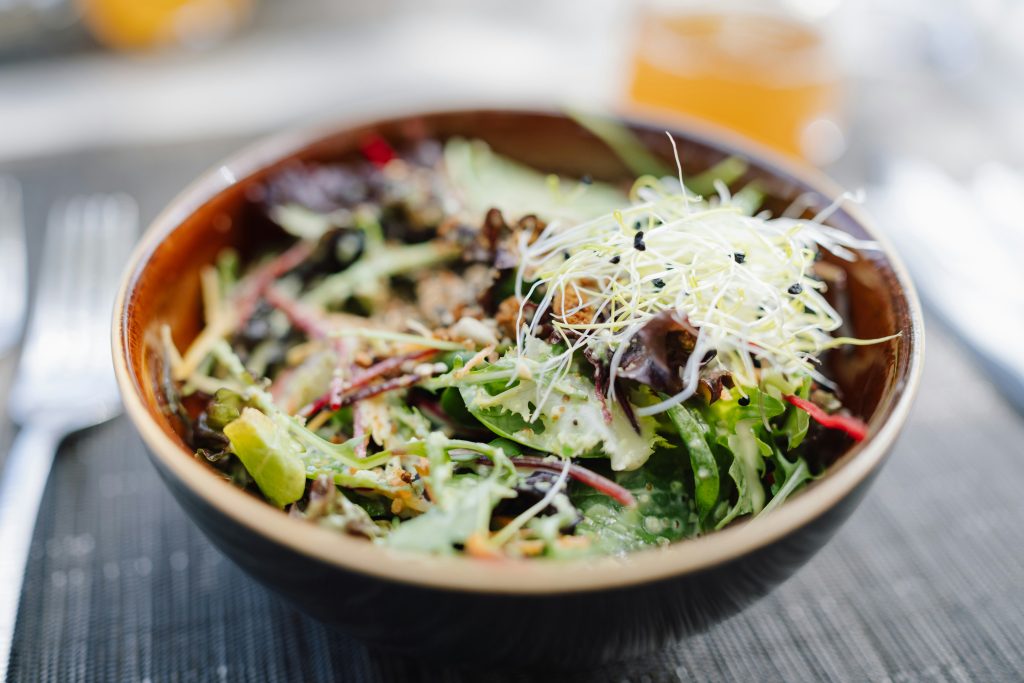
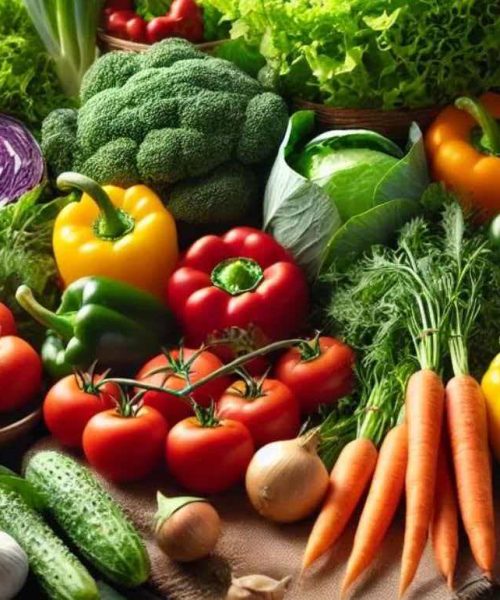
Vegetables are another essential part of a weight loss diet. Leafy greens, broccoli, tomatoes, and cucumbers are low in calories but high in fiber. Fiber fills your stomach, slows digestion, and supports gut health.
Tips for vegetables in your diet:
- Make half your plate vegetables at each meal
- Include colorful varieties for a wide range of vitamins and minerals
- Eat different vegetables daily to prevent boredom and cover all nutrient needs
Vegetables help control calorie intake without leaving you hungry. They also support healthy digestion, prevent constipation, and provide antioxidants that benefit overall health. Eating more vegetables is one of the simplest yet most powerful ways to improve your weight loss diet.
tip: Try roasting or grilling vegetables to enhance flavor. Adding herbs, spices, or a splash of olive oil can make vegetables more appealing without adding excessive calories.
Choosing the Right Carbohydrates in a Weight Loss Diet
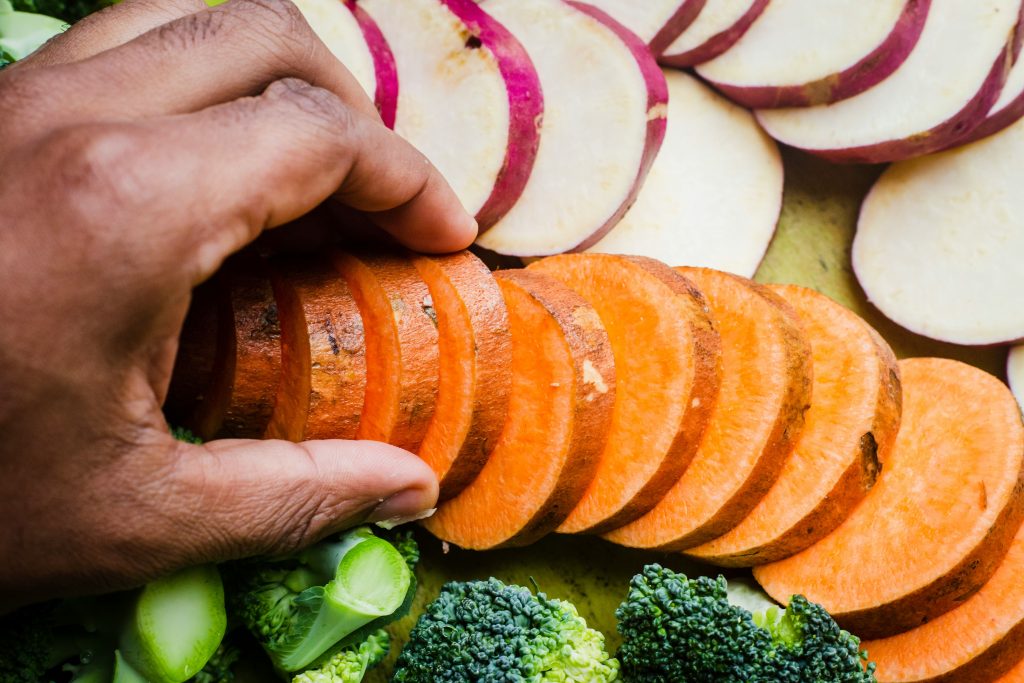
Carbohydrates are often misunderstood. They are not your enemy, but quality matters. Refined carbs like white rice, white bread, and pasta digest quickly. They spike blood sugar and drop it rapidly, leaving you hungry soon after.
Complex carbohydrates digest slowly, provide lasting energy, and help you feel full. Examples include:
- Brown rice and wild rice
- Oats and whole-grain cereals
- Quinoa and barley
- Sweet potatoes and pumpkin
- Corn and legumes
Replacing at least half of refined carbs with whole grains improves weight management and reduces cravings. Combining complex carbs with protein and vegetables in meals provides steady energy and prevents overeating.
Tip: Start your day with a high-fiber, protein-rich breakfast like oatmeal with nuts or eggs with vegetables. This sets the tone for balanced energy throughout the day.
Hidden Calories and Sugary Drinks to Avoid
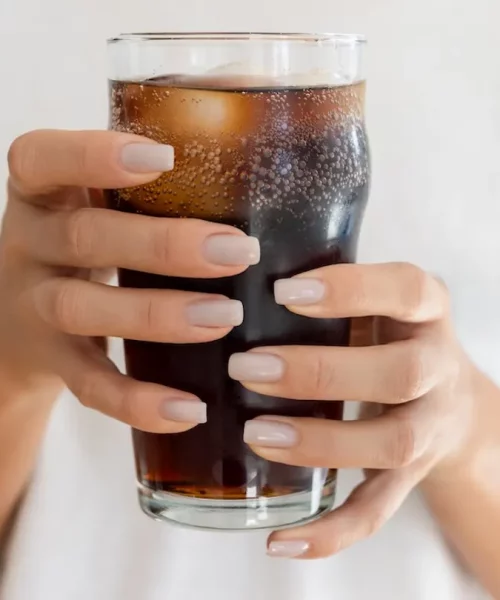
Sugary drinks are a major hidden calorie source. Bubble tea, fruit juice, soda, and flavored coffee can sabotage even the healthiest weight loss diet.
Replace sugary drinks with:
- Water
- Unsweetened tea
- Black coffee
Cutting these drinks is often the fastest and easiest step toward noticeable fat loss.
Other foods to enjoy only occasionally include:
- Fried snacks and chips
- Desserts and pastries
- Late-night meals or fast food
By limiting high-calorie, low-nutrition foods, you can make your weight loss diet much more effective without feeling deprived.
Healthy Fats: Essential for a Smart Weight Loss Diet
Not all fats make you gain weight. Healthy fats are essential for hormone regulation, brain function, and satiety. Sources include:
- Avocados
- Nuts and seeds like almonds, walnuts, and chia
- Olive oil and flaxseed oil
- Fatty fish like salmon and mackerel
Including moderate amounts of these fats in meals helps control hunger and improves adherence to your diet. Avoid trans fats and excessive saturated fats, which provide calories with little nutritional benefit.
Tip: Pair healthy fats with protein and fiber in meals. For example, avocado on a salad with chicken or a handful of nuts with Greek yogurt enhances fullness.
Smart Eating Habits to Support Your Weight Loss Diet
How you eat is as important as what you eat. Key habits include:
- Eating three regular meals daily
- Avoiding overeating or skipping meals
- Chewing slowly to improve digestion
- Stopping at 70% fullness
- Drinking water before meals to feel fuller
Extreme dieting can backfire. Your body may enter “starvation mode,” slowing metabolism and storing fat. Consistency and moderation are more effective than short-term extremes.
Tip: Keeping a food journal or using an app can help track intake and reinforce mindful eating. Planning meals ahead reduces impulsive snacking.
Combining Diet and Exercise for Optimal Results
While a weight loss diet is the foundation, exercise amplifies results. Strength training preserves muscle, while cardio burns calories and supports heart health. Together, they help you lose fat safely.
If you must prioritize, nutrition comes first. Even high-calorie workouts cannot offset poor eating choices. Combine both for optimal results.
Practical Tips for a Sustainable Weight Loss Diet
- Plan balanced meals: Include protein, vegetables, complex carbs, and healthy fats
- Practice mindful eating: Focus on hunger cues, not emotions
- Moderation over elimination: Enjoy treats occasionally without guilt
- Consistency over perfection: Long-term habits matter more than short-term restriction
- Prepare meals ahead: Meal prep reduces impulsive eating and improves portion control
- Stay hydrated: Water helps fullness and supports metabolism
Building a Friendly Relationship with Food
The goal of any weight loss diet is not punishment. It’s about developing a positive relationship with food. Eating nutrient-rich meals, controlling portions, and staying consistent will help you shed fat gradually while maintaining energy and overall health.
Viewing food as nourishment rather than an enemy is crucial for long-term success. Over time, healthy eating becomes a lifestyle, not a temporary solution.
Key Takeaways
- Diet is the foundation: Over 70% of fat loss depends on smart eating
- Protein is essential: Helps maintain fullness and protect muscle
- Vegetables are critical: High in fiber and nutrients, low in calories
- Choose carbs wisely: Favor whole grains for lasting energy
- Avoid hidden sugars: Cut sugary drinks and snacks
- Eat mindfully: Regular meals, chew slowly, stop before full
- Consistency matters: Sustainable habits beat extreme diets
A smart weight loss diet allows you to lose fat without starvation, maintain energy, and boost metabolism. True fat loss comes from eating wisely, building lasting habits, and enjoying a healthier, lighter body.