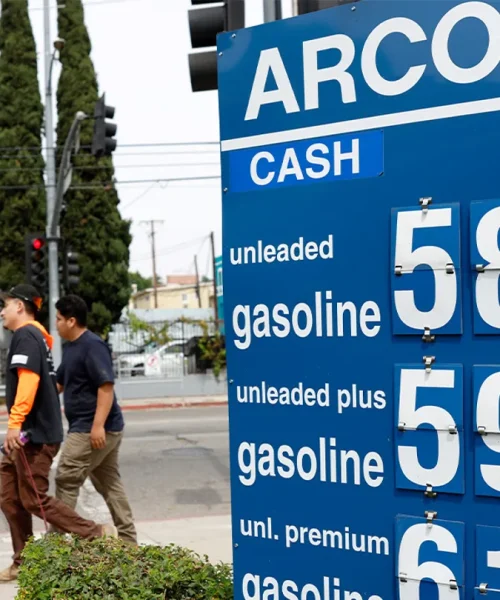


The global oil crisis is reshaping the EV market. It creates both challenges and opportunities for automakers worldwide.
Rising fuel prices, geopolitical tensions, and supply chain disruptions are influencing consumer choices and industry strategies.
Historically, the 1973 Oil Crisis (First Oil Shock) and the 1979 Oil Crisis (Second Oil Shock) triggered major shifts in transportation and energy strategies. These events also accelerated the adoption of electric vehicles.
Today, the EV market is evolving faster than ever due to these pressures.
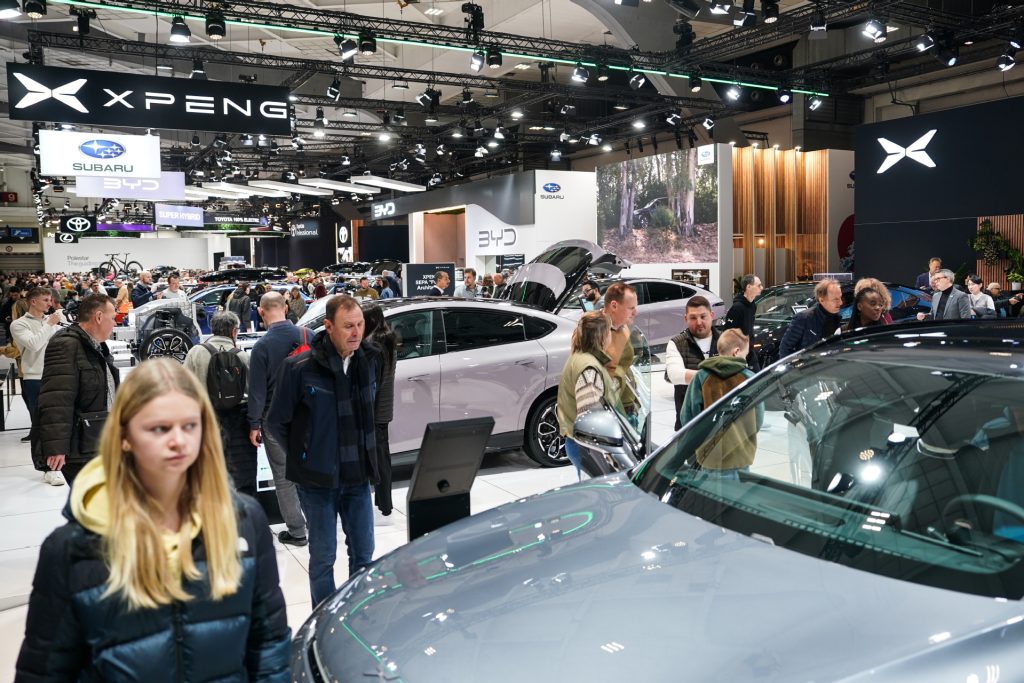
How the Oil Crisis Impacts the EV Market
Rising oil prices affect both households and businesses:
- Higher fuel costs reduce disposable income.
- Inflation affects large purchases, including vehicles.
- Consumers seek energy-efficient and cost-saving alternatives.
As a result, the EV market is expanding as electric vehicles offer lower operating costs and reduced dependence on gasoline.
Policy and Strategic Implications for the EV Market
Governments worldwide respond to energy crises with policies that encourage EV adoption:
- Incentives for purchasing electric vehicles.
- Investment in charging infrastructure.
- Support for domestic energy and automotive industries.
These measures aim to strengthen energy security, reduce emissions, and stimulate innovation within the EV market.
Opportunities and Challenges for EV Manufacturers
Leading EV companies include:
- BYD (BYD China EV Manufacturer)
- NIO (NIO EV Company)
- XPeng (XPeng EV Company)
Opportunities
- Demand Growth: Rising fuel costs boost interest in the EV market globally.
- Export Potential: Europe, Southeast Asia, and other regions facing fuel pressures are key markets.
- Technological Leadership: EVs are moving from niche alternatives to mainstream transportation.
Challenges
- Energy Costs: Electricity prices may rise during broader energy crises.
- Supply Chain Risks: Lithium, nickel, and other battery materials may face shortages.
- Economic Slowdown: Inflation and lower consumer spending can impact vehicle sales.
Global Market Outlook for the EV Market
The EV market is influenced by multiple factors:
- International competition among automakers progressing at different speeds.
- Government policies balancing energy security, industrial strategy, and climate goals.
- Consumers factoring total cost of ownership, environmental impact, and energy resilience into their vehicle choices.
Conclusion
A global oil crisis presents both opportunities and risks for the EV market:
- Electric vehicles gain cost and strategic advantages in many regions.
- Companies with strong supply chains and innovation are better positioned.
- Rising costs, supply constraints, and economic uncertainty remain challenges.
In short, the transition to electric vehicles is accelerating due to global energy pressures—but success in the EV market will depend on adaptability, strategy, and resilience across the industry.