

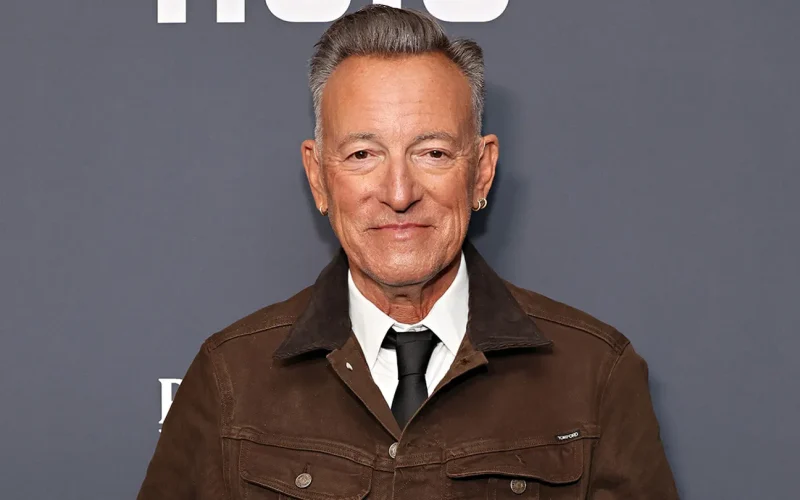
At his recent Minneapolis concerts, Bruce Springsteen sparked a Springsteen controversy. He made outspoken political statements.
Springsteen addressed the Trump administration. He criticized corruption, social inequality, and the state of American democracy.
These remarks quickly went viral. Fans, social media users, and the wider public reacted strongly.
The Springsteen controversy raises the debate about whether artists should use their platforms for political expression. Many attendees primarily come for music, not politics.
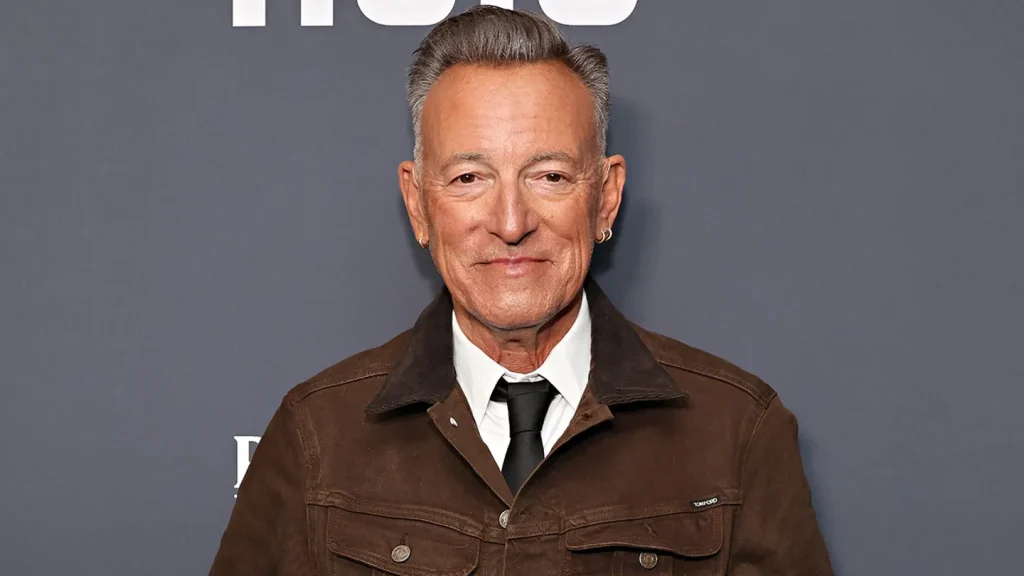
Springsteen Controversy: Key Statements and Criticism of the White House
During the Minneapolis shows, Springsteen did not hold back. He said:
“While working-class Americans struggle, the president and his family exploit power for unprecedented personal gain, amassing billions.”
He further added:
“This White House is destroying American ideals and our global reputation. In many people’s eyes, the U.S. is no longer a free land or a home of heroes. Instead, it appears reckless, unpredictable, and predatory—this is the legacy of the current administration.”
These statements form the core of the Springsteen controversy. They reflect decades of his engagement with social and political issues.
They provoked strong reactions in today’s politically polarized environment. The statements demonstrate how public figures can influence national discourse.
Social Media Backlash Over Springsteen Controversy
The Springsteen controversy quickly spread on social media platforms such as X (formerly Twitter). Users voiced frustration and disappointment:
- “A self-important elite—he goes against the people he claims to represent. Traitor!”
- “I’ve seen Springsteen live ten times, and tickets cost $1,000. How does this billionaire claim to speak for the working class?”
- “Another concert turned into a political lecture. People come to enjoy music, not politics.”
- “He says he represents ordinary Americans, yet ticket prices are $800. Hypocrisy at its finest.”
This backlash highlights the tension between an artist’s political activism and audience expectations. High ticket prices can make audiences feel excluded.
Supporters Defend Springsteen Controversy
Despite criticism, many fans and commentators defended Springsteen. They emphasized his courage and commitment to speaking truth to power:
- “Springsteen’s speech is more than music—it’s a statement of belief. Respect his bravery in confronting authority.”
- “Free speech is not meant to comfort everyone. The Springsteen controversy reminds us of the importance of artistic expression.”
- “Those offended by his remarks may feel hurt, but the conversation he starts is necessary for democracy.”
Supporters argue that the Springsteen controversy reflects a long-standing tradition in his music. He highlights social injustice, champions workers’ rights, and questions power structures.
Art, Music, and Political Expression: A Broader Debate
Springsteen’s Minneapolis shows reignite a broader debate about art and music in society:
- Should musicians express political opinions on stage, even if it polarizes audiences?
- Can fans separate entertainment from social commentary?
- Is political expression a responsibility for artists with public platforms?
The Springsteen controversy shows that music and activism are often intertwined. For many, his political statements enhance his art. For others, they overshadow the entertainment experience.
The Legacy of the Springsteen Controversy
The debate sparked by Springsteen demonstrates:
- Polarization of public perception: Some praised his statements as courageous; others criticized them as elitist.
- The power of social media: Reactions amplified the controversy beyond the stadium, creating a nationwide conversation.
- Artistic responsibility: Springsteen’s willingness to speak out reflects the tension between celebrity influence, social activism, and audience expectations.
Ultimately, the Springsteen controversy is a case study in how modern musicians navigate politics, culture, and public opinion during highly visible performances.
You may also read:Massive 10-Pound Chocolate Bunny at Costco Priced Up to $140
For more details, see:Bruce Springsteen slammed as ‘traitor’ after ripping America during Minneapolis concert rant
