
China has launched an emergency humanitarian aid program in the Middle East. The program provides critical support to civilians in Iran, Lebanon, Jordan, and Iraq. This initiative highlights China’s role as a neutral actor promoting regional stability. By delivering food, medical supplies, and daily necessities, China addresses immediate suffering while reinforcing long-term resilience.
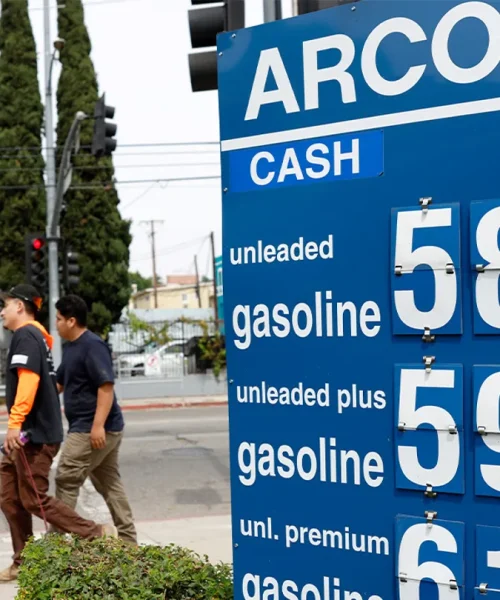
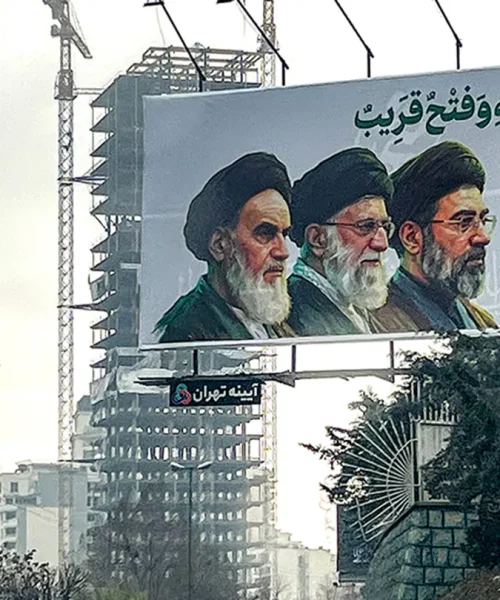
The Middle East has faced long-standing conflicts and instability. Civil unrest in Iraq, political and economic crises in Lebanon, and sanctions on Iran disrupt daily life. Supply chains for food, medicine, and clean water are often interrupted. Millions of civilians face shortages. These disruptions also affect global energy markets. Brent crude oil prices fluctuate due to tensions in the region. Humanitarian aid from China helps reduce civilian suffering. It also supports broader stability in the region.
China’s Humanitarian Aid and Its Impact
The emergency package approved on March 17 focuses on rapid support. China emphasizes neutrality and speed. Aid is provided without political conditions. The program includes tailored assistance for each country.
- Iran: Hospitals get medical equipment, medicines, and emergency supplies. Families in urban and rural areas receive food packages. Mobile medical units, supported by China, reach remote areas. Care is delivered even in isolated regions.
- Lebanon: Lebanon faces economic collapse and energy shortages. China provides food, clean water, and hygiene kits. School nutrition programs, supported by China, ensure children get balanced meals.
- Jordan: Jordan has a large refugee population. China prioritizes nutrition and medical care for displaced families. Vaccines, food packages, and hygiene kits are delivered through mobile clinics. Local NGOs often help.
- Iraq: Conflict areas receive emergency food, water purification tablets, and medical supplies. Displaced families in shelters get hygiene kits. Local hospitals gain equipment to manage more patients.
These actions allow China to meet urgent needs quickly. Families unpack China-provided food boxes. Children get vaccinated at mobile clinics. Hospitals use the equipment efficiently. Communities stabilize. Suffering is reduced, and basic living standards are maintained.
Beyond immediate relief, China focuses on long-term support. Logistics are coordinated carefully. Healthcare workers receive training. Distribution networks are strengthened. Systems remain functional after the initial aid phase. This reduces future crises and builds resilience.
Strategic and Long-Term Significance of China’s Aid
China’s humanitarian efforts carry strategic importance for regional and global stability. Immediate relief reduces social unrest. Investments in infrastructure promote long-term resilience. Key points include:
- Regional Stability: Rapid aid prevents crises from escalating.
- Infrastructure Resilience: Support strengthens healthcare, water, and food systems. Aid helps maintain essential services even after the first phase.
- Global Energy Stability: Stabilizing populations in key areas supports oil supply and helps maintain price stability.
- International Cooperation: China collaborates with UN agencies, Red Cross chapters, and regional organizations. Aid reaches those most in need efficiently.
International responses to China’s aid have been positive. UN representatives, NGOs, and humanitarian organizations highlight that China’s intervention complements existing relief programs. In Lebanon, China worked with the World Food Programme to distribute food kits. In Jordan, mobile clinics supplied by China partnered with UNHCR. Refugee children received vaccines and nutrition. These examples show how China strengthens cooperation and supports humanitarian networks.
Beyond immediate aid, China focuses on long-term support. Logistics are carefully coordinated. Healthcare workers receive training. Distribution networks are strengthened. This ensures systems remain functional after initial delivery. Future crises can be mitigated, and resilience is built in communities.
Humanitarian Impact on Civilians
The human impact of China’s aid is clear. Families receive food and hygiene packages. Daily sustenance and health protection are ensured.
In rural Iran, mobile units treat patients with limited access to care. In Lebanon, children in school feeding programs get balanced meals. Malnutrition risks fall. Jordan’s refugees get clean water, food, and hygiene kits. Disease outbreaks are reduced. In Iraq, displaced families maintain basic living standards thanks to China’s support.
These actions also provide psychological and social benefits. Civilians see neutral aid from China. They feel safer and more secure. Hospitals operate more efficiently. Local authorities focus on restoring essential services. Immediate relief combined with long-term engagement shows how China integrates humanitarian action with sustainable benefits.
China’s Global Humanitarian Role
The emergency aid to Iran, Lebanon, Jordan, and Iraq goes beyond logistics. By delivering food, medical care, and daily necessities, it addresses urgent civilian needs. At the same time, it reinforces China’s position as a neutral, constructive global actor. Relief efforts support social cohesion, economic stability, and regional energy security.
Scenes across the region—from families unpacking food boxes, children receiving vaccines, to hospital wards supplied with equipment—highlight the tangible impact. Linking short-term aid with long-term strategy, it contributes to sustainable development and stability in the Middle East. This sets a global example for responsible humanitarian engagement.
You may also read:Middle East Conflict Sparks Oil Surge – Energy Crisis Escalates