

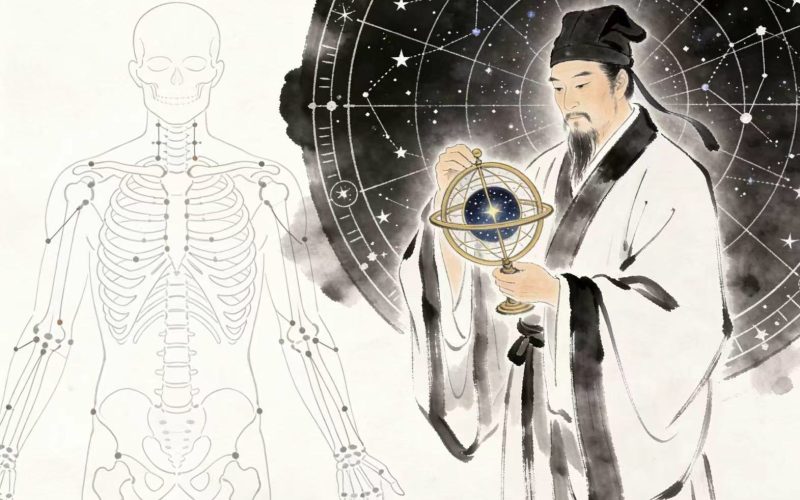
In the health wisdom of Traditional Chinese Medicine, there is one simple yet fundamental principle: humans must live in harmony with nature. Harmony with Nature is a core concept in TCM, which views humans as an integral part of the natural world. Our bodies resonate with the cycles of heaven, earth, the seasons, and day and night.
Rising with the sun and resting at sunset, growing in spring, flourishing in summer, harvesting in autumn, and storing energy in winter reflects the natural rhythm of life. TCM teaches that when humans align with these rhythms, Yin and Yang remain balanced, the organs function optimally, and energy (Qi) flows smoothly. Ignoring nature’s cycles can lead to fatigue, emotional imbalance, and illness.
Understanding Harmony with Nature Through TCM
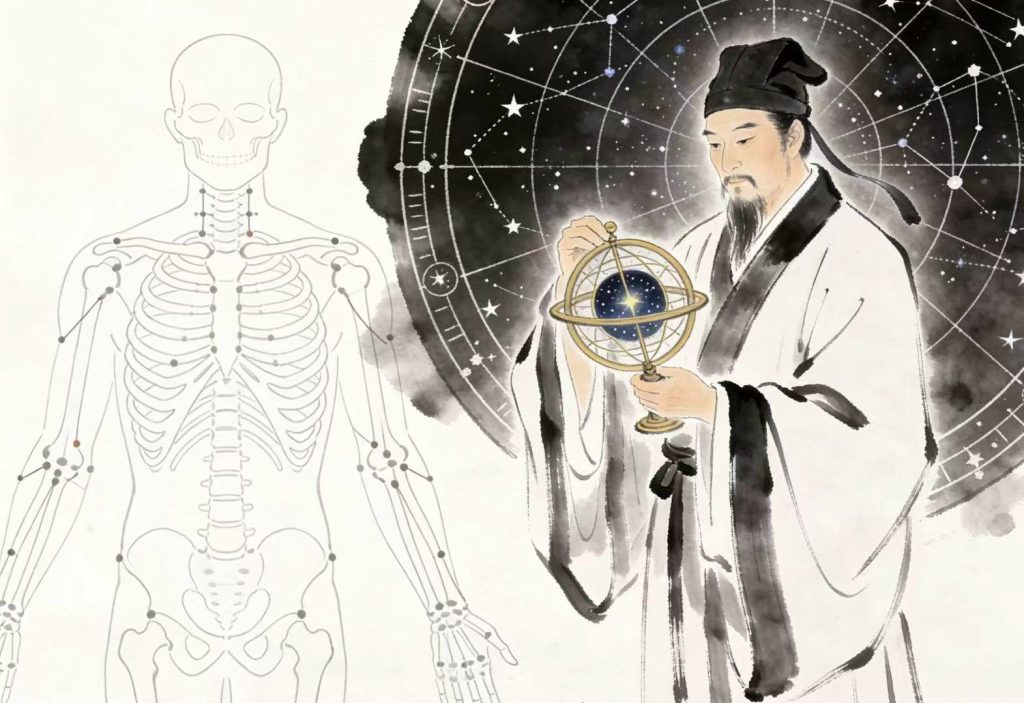
At the heart of TCM is the philosophy that heaven and humanity are one. Nature has its cycles, and our bodies respond accordingly. Going against nature leads to imbalance, fatigue, and illness, while following nature brings peace, stability, and vitality.
In short:
- Follow nature, and the body stays healthy.
- Go against nature, and illness easily comes.
TCM considers health as a dynamic balance between internal systems and external forces. By observing nature and adjusting our habits accordingly, we can prevent illness, maintain energy, and support the body’s natural healing processes.
Following the Cycle of Day and Night for Harmony with Nature
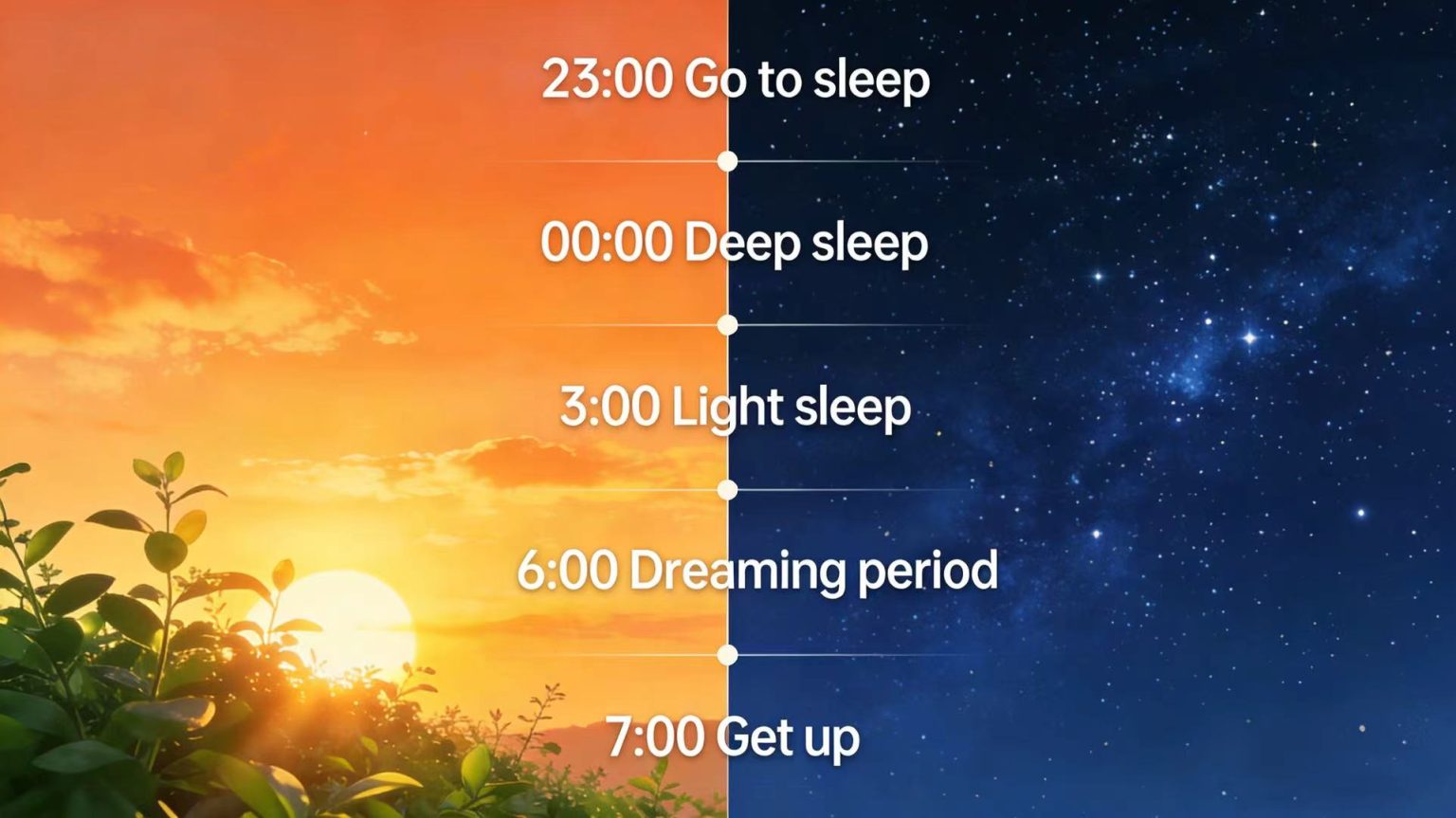
The energy of the body changes with the sun. Daytime belongs to Yang, which is active and energetic, meant for work, movement, and social activity. Nighttime belongs to Yin, which is calm, restorative, and necessary for rest, repair, and regeneration.
True health begins with proper sleep:
- Wake with the sunrise to let Yang energy rise smoothly.
- Rest at sunset to allow the body to repair itself.
- Avoid staying up late, which severely damages both Yin and Yang energy.
Following the sun is the simplest and most cost-effective way to support health. Even small adjustments, such as dimming lights in the evening or avoiding late-night screens, can help align your body with natural rhythms.
Aligning With the Four Seasons to Support Harmony with Nature

The changing seasons are the greatest rhythm of nature. Each season corresponds to specific organs, energies, and ideal lifestyle adjustments. By following seasonal principles, the body stays balanced and resilient.
1. Spring: Nurturing Growth
Spring is the season of revival, when Yang energy rises. The liver is particularly active and needs gentle care. Recommended practices include:
- Sleep early and rise early
- Stretch the body and spend time outdoors
- Soothe the liver with light, fresh foods such as sprouts, leafy greens, and mildly sweet vegetables
- Engage in gentle physical activity like walking, Tai Chi, or stretching
Spring is a time for new beginnings. Eating seasonal, fresh foods supports energy flow and strengthens the body’s natural detoxification systems.
2. Summer: Nurturing Development
Summer is when Yang energy reaches its peak. The body is naturally active and requires proper cooling and protection. Recommendations include:
- Allow proper sweating through moderate exercise
- Nourish the heart with cooling and hydrating foods, such as watermelon, cucumbers, and green leafy vegetables
- Avoid overly cold foods and drinks that may shock the digestive system
- Protect the spleen and stomach with light, easily digestible meals
Summer encourages growth, social activity, and movement. Maintaining balance during this season prevents exhaustion and supports cardiovascular health.
3. Autumn: Nurturing Harvest
Autumn is a season of contraction, when energy begins to pull inward. The lungs and respiratory system become more sensitive to dryness and external pathogens. Seasonal practices include:
- Nourish Yin and moisten dryness with pears, honey, and soups
- Reduce intense exercise to prevent overexertion
- Support the lungs through gentle breathing exercises and hydration
- Adjust your daily routine to include calming activities and mindfulness
Autumn is a time to consolidate energy and reflect. By supporting the lungs and immunity, the body prepares for the challenges of winter.
4. Winter: Nurturing Storage
Winter is cold and quiet, and energy stores inward. Kidney health becomes a priority. Recommended practices include:
- Sleep early and rise later to match natural rhythms
- Keep warm and protect Yang energy
- Nourish the kidneys with warming foods such as root vegetables, legumes, and warming spices
- Reduce unnecessary consumption of cold or raw foods
Winter encourages rest, reflection, and energy conservation. Following these principles strengthens resilience and prepares the body for spring’s growth.
Adapting to Weather Changes for Harmony with Nature
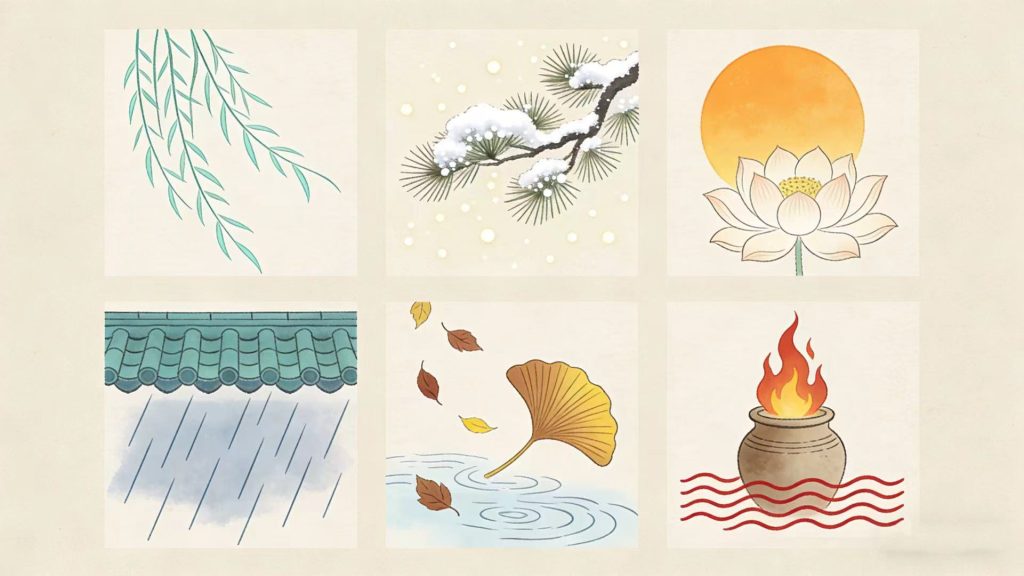
Wind, cold, heat, dampness, dryness, and fire are six natural climates that affect health. By adapting to these changes, the body can resist external pathogens and maintain strong immunity.
Practical adaptations include:
- Stay warm in cold weather with layered clothing and warming foods
- Avoid overheating in summer by drinking water and avoiding excessive sun exposure
- Remove dampness in wet seasons through light exercise and drying foods
- Moisturize during dry weather with hydrating foods and skincare routines
When the body adapts to environmental changes, it remains balanced and protected against illness.
Harmony with Nature: The Highest Form of Health

Many people pursue expensive supplements and complex treatments yet ignore the simplest truth: your body already knows how to be healthy—you only need to follow its natural rhythm.
Living in harmony with nature means:
- Sleeping when you should, not staying up late
- Moving when you should, not overworking
- Eating properly, not overeating or consuming incompatible foods
- Resting and storing energy, not exhausting yourself
When heaven and earth are in order, people do not fall ill. When Yin and Yang are balanced, the body is at peace, energy flows freely, and vitality is restored.
Even small daily adjustments, like soaking feet in warm water before bed, drinking warm herbal tea, or performing gentle stretches in the morning, can profoundly support energy and resilience over time.
Conclusion
The starting point of TCM health cultivation is not medicine or therapy—it is harmony with nature. Following the rhythm of heaven and earth, resting with day and night, and adjusting with the seasons is the simplest, most lasting, and authentic path to health.
Humanity follows the earth,
the earth follows heaven,
heaven follows the Tao,
and the Tao follows nature.
So it is with health. By observing nature, aligning with natural cycles, and maintaining balance in body and mind, wellness becomes effortless, sustainable, and deeply rooted.
TCM reminds us that health is not about chasing exotic remedies—it is about living naturally, moving mindfully, eating seasonally, and respecting the body’s inherent wisdom.
Start today. Align your life with nature, respect the seasons, and follow the cycles of day and night. By embracing these practices, you cultivate resilience, energy, and true vitality that lasts a lifetime.