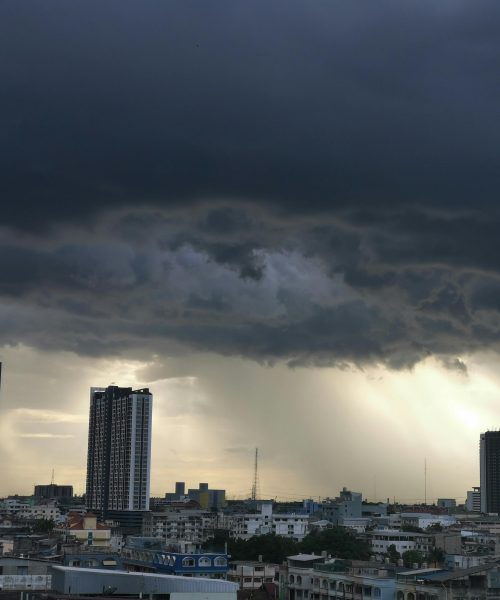

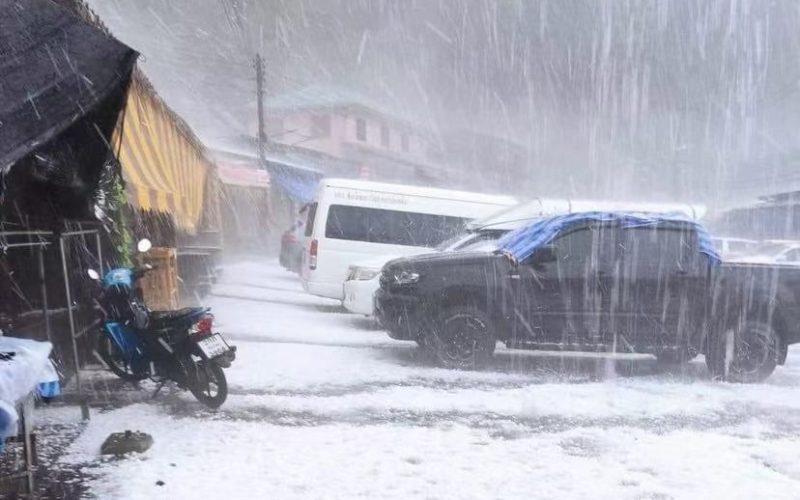
Thunderstorm and hail safety is becoming increasingly important as severe convective weather events grow more frequent around the world. Thunderstorms and hailstorms are among the most dangerous forms of extreme weather. Within minutes, violent lightning, powerful winds, torrential rain, and falling hail can create life-threatening situations. Every year, these storms cause injuries, fires, power outages, vehicle accidents, and major property damage.
Because severe weather often develops suddenly, understanding proper thunderstorm and hail safety procedures is essential for both everyday life and emergency preparedness. Whether you are at home, driving, hiking outdoors, or traveling, knowing how to respond quickly can significantly reduce the risk of injury.
This guide explains practical thunderstorm and hail safety measures before, during, and after severe storms.
Why Thunderstorms and Hailstorms Are Dangerous
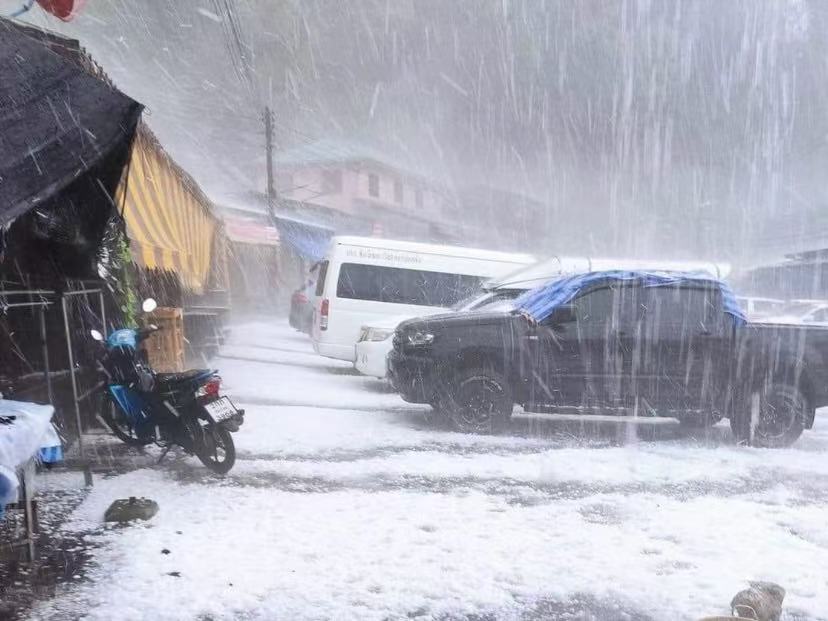
Strong thunderstorms are capable of producing:
- Dangerous lightning strikes
- Large hailstones
- Flash flooding
- Fallen trees and power lines
- Roof and vehicle damage
- Electrical fires and short circuits
Lightning alone can strike several miles away from the center of a storm. Meanwhile, hailstones can fall at extremely high speeds, causing serious injuries and destroying windows, crops, vehicles, and roofs.
Because of these risks, early preparation is one of the most important parts of severe weather safety.
Thunderstorm Safety Before the Storm Arrives
Monitor Weather Alerts
Always pay attention to local weather forecasts during unstable weather conditions. Mobile weather apps, emergency alerts, and radio broadcasts can provide early warnings about approaching thunderstorms or hail.
If severe weather is expected:
- Cancel outdoor activities
- Avoid fishing, hiking, and mountain climbing
- Stay away from rivers, lakes, and open fields
- Prepare emergency lighting and backup batteries
Early action is often the difference between safety and danger.
Avoid High-Risk Outdoor Areas
Before thunderstorms begin, leave exposed locations immediately. Dangerous places include:
- Hilltops and mountains
- Open grasslands
- Lakes and rivers
- Beaches and shorelines
- Construction sites
- Large open parking areas
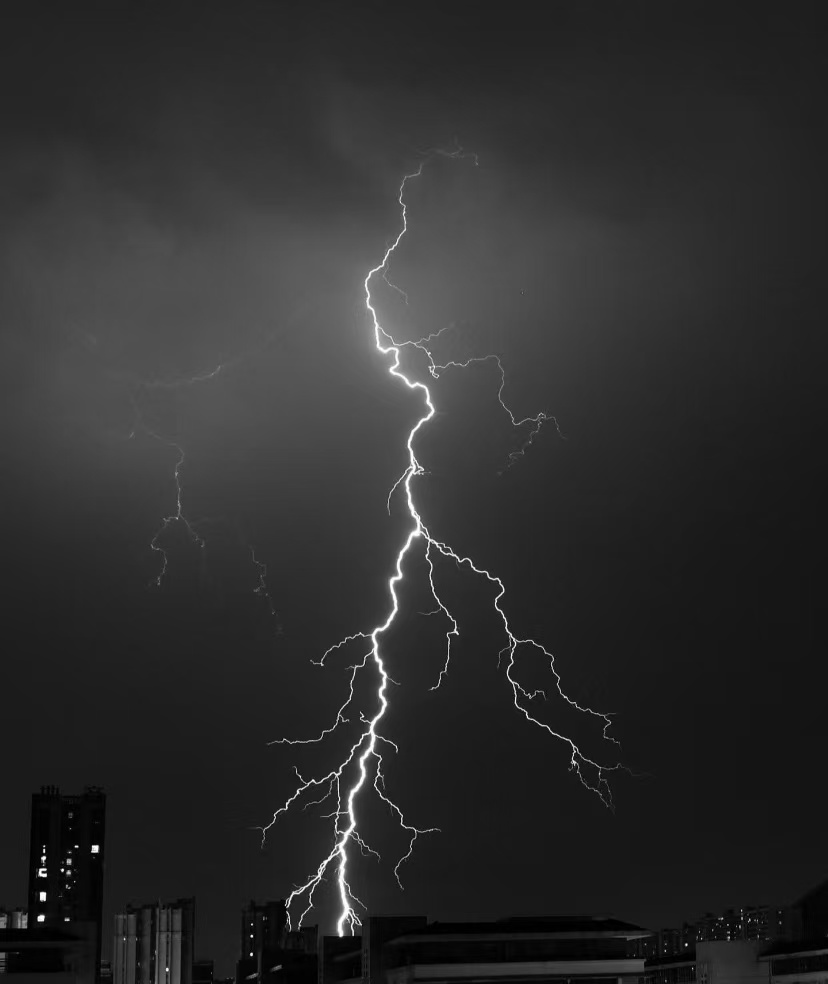
Lightning naturally targets tall and isolated objects. Standing in open areas greatly increases the risk of being struck.
What to Do During a Thunderstorm Outdoors
Never Shelter Under Trees
One of the most common mistakes people make during thunderstorms is hiding under isolated trees. Tall trees frequently attract lightning strikes, and electricity can spread through the ground nearby.
Also avoid:
- Power poles
- Communication towers
- Billboards
- Metal fences
- Observation platforms
Instead, move toward a sturdy building or enclosed vehicle as quickly as possible.
Avoid Running, Cycling, or Riding Electric Scooters
During severe lightning activity, avoid rapid movement across open areas. Riding bicycles, electric scooters, or motorcycles exposes the body and increases lightning danger.
Do not hold umbrellas with metal handles, and avoid carrying long metal objects.
If no shelter is available:
- Crouch low to the ground
- Keep both feet together
- Lower your body position
- Avoid lying flat on the ground
This position can help reduce lightning-related injuries.
Stay Away From Water
Water is an excellent conductor of electricity. Swimming, boating, or walking through flooded streets during thunderstorms is extremely dangerous.
Never:
- Swim during lightning storms
- Cross flooded roads on foot
- Fish near lakes or rivers
- Touch standing water near damaged electrical lines
Flash floods can also develop rapidly during strong storms, trapping people in vehicles or low-lying areas.
Indoor Thunderstorm Safety Tips
Disconnect Electrical Appliances
Lightning can travel through power lines and damage electronics instantly. During thunderstorms, unplug:
- Televisions
- Computers
- Routers
- Air conditioners
- Gaming consoles
- Water heaters
This helps prevent electrical fires, short circuits, and expensive equipment damage.
Stay Away From Windows and Metal Pipes
Close doors and windows as storms approach. Strong winds and hail can shatter glass unexpectedly.
Avoid touching:
- Metal water pipes
- Gas pipelines
- Electrical outlets
- Wired household appliances
Do not shower or use hot water systems during active lightning storms, especially if the home uses metal plumbing or solar water heating systems.
Hailstorm Safety Procedures
Seek Strong Shelter Immediately
Large hailstones can cause severe head injuries and broken bones. When hail begins falling:
- Enter a strong building immediately
- Stay away from skylights and glass roofs
- Protect your head with bags, coats, or helmets if trapped outdoors
Never shelter under:
- Trees
- Temporary sheds
- Bus stop roofs
- Advertising signs
- Weak carports
These structures may collapse or fail during strong hailstorms.
Driving During a Hailstorm
Hail can make roads slippery and reduce visibility within seconds. If caught driving during a hailstorm:
- Slow down carefully
- Pull over to a safe area
- Turn on hazard lights
- Close all windows and the sunroof
- Stay inside the vehicle
Do not leave the car to watch the storm or collect hailstones. The vehicle provides important protection against falling ice.
Avoid parking beneath trees or power lines, since branches may break during strong winds.
Safety Checks After the Storm
Inspect for Damage Carefully
Once the storm passes, examine the surrounding area for hazards.
Check for:
- Broken windows
- Roof damage
- Fallen trees
- Damaged electrical wires
- Flooded streets
- Sharp debris and shattered glass
Stay away from downed power lines even if they appear inactive.
Protect Vulnerable Family Members
Children, elderly individuals, and people with respiratory or heart conditions may experience discomfort during severe weather changes.
After storms:
- Keep indoor areas ventilated safely
- Clean debris carefully
- Avoid unnecessary outdoor exposure
- Watch for slippery roads and damaged sidewalks
Good preparation and awareness help families recover more safely after severe weather.
Building Long-Term Severe Weather Awareness
Extreme weather events are becoming more frequent in many regions. Developing good emergency habits can greatly reduce injury risks.
Important long-term safety habits include:
- Learning local emergency warning systems
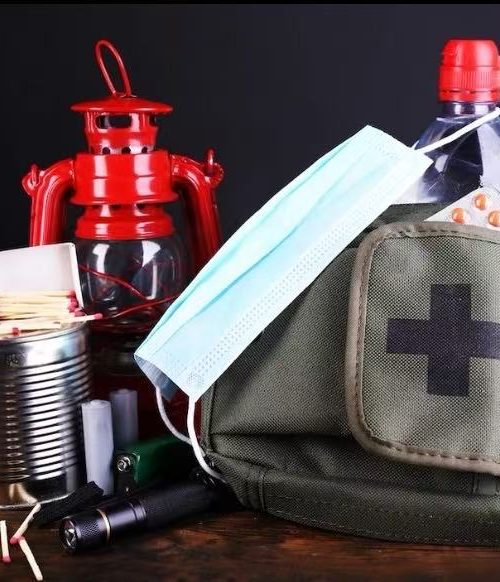
- Preparing household emergency kits
- Keeping portable chargers and flashlights ready
- Teaching children thunderstorm safety rules
- Avoiding panic during sudden weather events
Preparedness is not only about survival — it also helps reduce fear and confusion during emergencies.
Thunderstorms and hailstorms may seem brief, but their destructive power can be enormous. Lightning strikes, strong winds, flash flooding, and falling hail all pose serious risks to human life and property.
Understanding proper thunderstorm and hail safety measures can help you respond calmly and effectively during dangerous weather conditions. From avoiding open areas and unplugging appliances to finding safe shelter and checking for damage afterward, every precaution matters.
Severe weather can happen anytime, but smart preparation and quick action can make all the difference.