

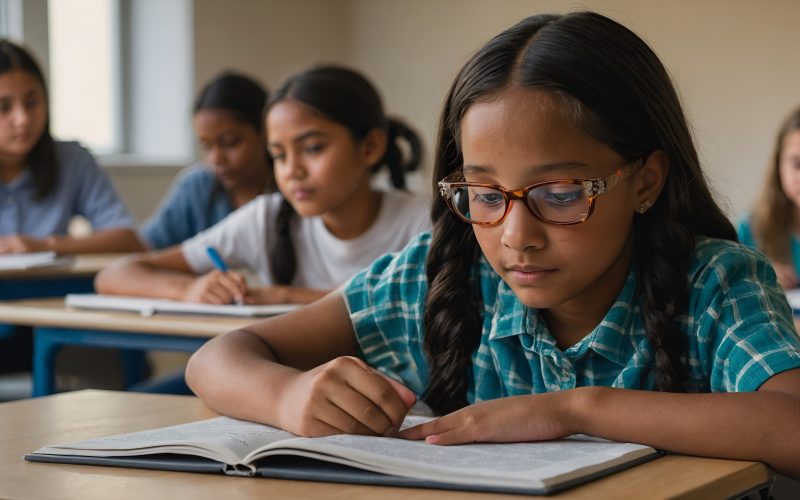
Maybe Education Isn’t Just About “Learning”
We often think of education as something structured—textbooks, exams, fixed answers. But if you really think about it, the most memorable learning moments rarely come from memorizing facts. They come from connection.
That’s where the idea of cultural integration in education becomes powerful.
Because learning doesn’t happen in a vacuum. Every student walks into a classroom carrying stories, habits, beliefs, and ways of seeing the world. When education ignores that, it feels distant. But when it embraces it, something changes—learning becomes alive.
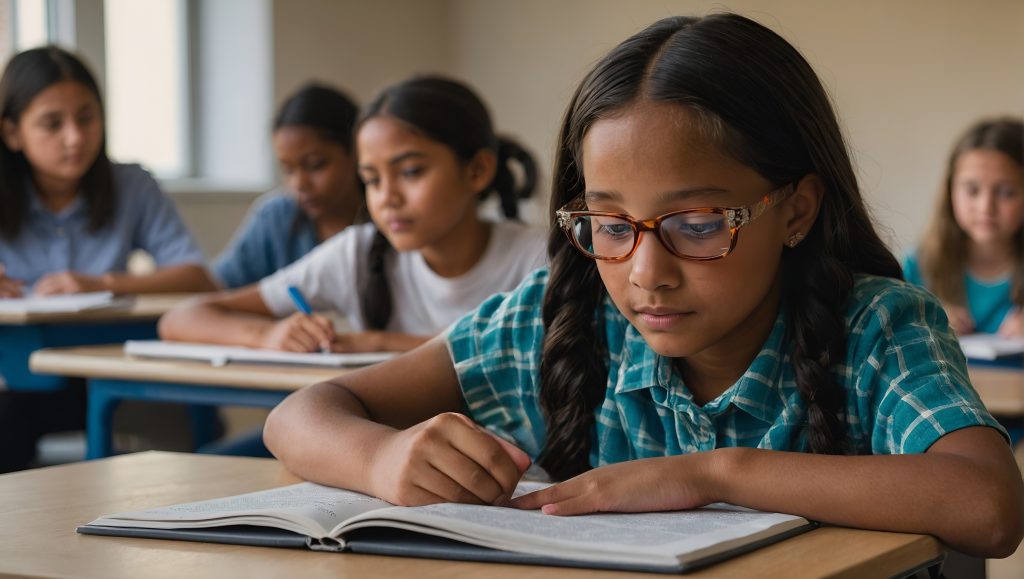
What Does Cultural Integration Really Mean?
Let’s simplify it.
Cultural integration in education isn’t about adding a “cultural day” once a year or decorating classrooms with flags. It’s about something deeper: making culture part of everyday learning.
It shows up in small but meaningful ways:
- The examples teachers use
- The stories that get told
- The voices that are included—or left out
Imagine a history class that doesn’t just tell one version of events, but explores different perspectives. Or a literature class where students see characters who feel familiar, not foreign.
That’s when students stop just studying—and start relating.
Why Culture Changes the Way We Learn
1. People Learn Better When They Feel Seen
It’s simple: when students recognize themselves in what they’re learning, they pay attention.
A student who sees their culture reflected in a story or discussion feels like they belong. And that sense of belonging can quietly transform confidence, participation, and even performance.
On the flip side, when everything feels unfamiliar or disconnected, learning becomes something you just “get through.”
2. Different Perspectives Build Stronger Thinkers
There’s something powerful about realizing that there isn’t just one way to see the world.
When students are exposed to different cultural viewpoints, they start asking better questions:
- Why do people think differently?
- What shapes those ideas?
- Is there more than one “right” answer?
This kind of thinking goes far beyond exams. It builds awareness—and maturity.
3. It Teaches Empathy Without Forcing It
You can’t really teach empathy through definitions. But you can create moments where students feel it naturally.
A story from another culture.
A conversation with someone different.
A shared experience in class.
These moments slowly shape how students see others—not as strangers, but as people with depth and context.
What It Looks Like in Real Classrooms
Stories That Actually Matter
Stories are powerful because they make things personal.
When students hear stories from different cultures—not just as “content,” but as lived experiences—they connect emotionally. And emotional learning sticks longer than anything memorized.
Learning by Doing, Not Just Listening
Instead of just reading about cultures, students can explore them:
- Interview someone from a different background
- Create a project about a cultural tradition
- Share their own stories
This turns learning into something active, not passive.
Language as a Window, Not a Barrier
Language isn’t just a tool—it’s a reflection of how people think.
Even small things, like learning greetings in different languages or discussing how meaning changes across cultures, can open new perspectives.
It reminds students that communication is more than words.
But Let’s Be Honest—It’s Not Always Easy
Of course, this kind of education sounds ideal. But reality can be messy.
Some schools are still focused heavily on standardized testing. There isn’t always time—or flexibility—for deeper cultural exploration.
Not every teacher feels prepared to handle cultural topics confidently. And sometimes, there’s a fear of “getting it wrong.”
There’s also a bigger question underneath it all:
How do we celebrate differences without creating division?
There’s no perfect answer—but avoiding the conversation isn’t one either.
Technology: A New Way to Experience Culture
One thing that has changed is access.
Today, students can:
- Talk to peers across the world
- Watch real-life stories from different cultures
- Explore perspectives instantly online
That kind of exposure was almost impossible before.
But there’s a catch—more information doesn’t always mean better understanding. Without guidance, it’s easy to misunderstand or oversimplify cultures.
So technology helps—but it still needs a human touch.
A Different Kind of Classroom
If education keeps evolving in this direction, classrooms might start to feel very different.
Less about memorizing.
More about understanding.
Less about giving answers.
More about exploring questions.
Teachers won’t just deliver knowledge—they’ll guide conversations.
Students won’t just absorb information—they’ll bring their own experiences into the learning process.
And maybe most importantly, education will feel less distant—and more personal.
When Learning Starts to Feel Real
At the end of the day, cultural integration in education isn’t a trend or a teaching strategy.
It’s a shift in mindset.
It’s about recognizing that education isn’t just about information—it’s about people.
When culture becomes part of learning, classrooms stop being just places to study. They become places to understand, to connect, and to grow.
And that’s when education stops feeling like a system—and starts feeling like something real.