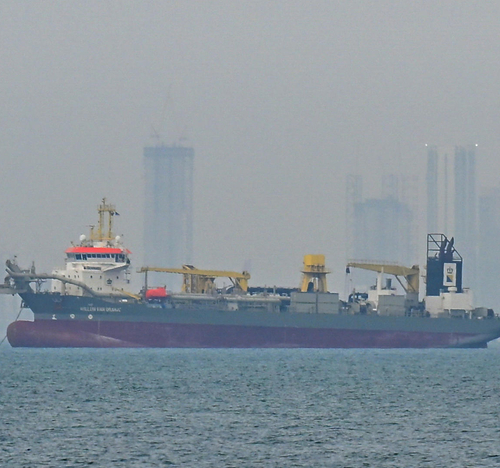

Amid escalating global conflicts, European countries are increasingly voicing concerns over recent U.S. military actions. Especially regarding the security of the Strait of Hormuz, a strategic chokepoint, Western allies have shown differing stances, revealing potential cracks within NATO and broader transatlantic cooperation.
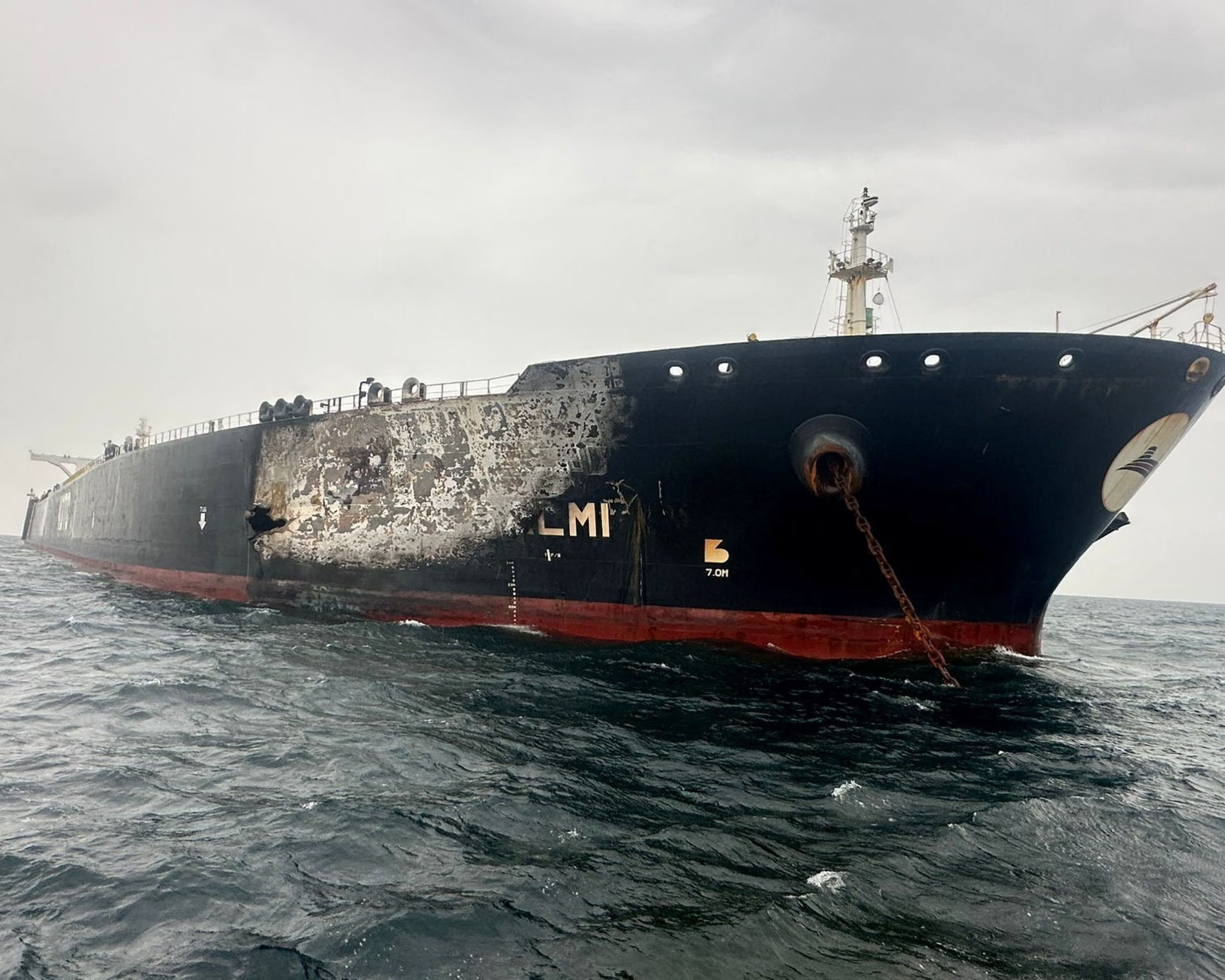
U.S. Military Deployment and European Differences
In recent years, the U.S. has increased its military presence in the Middle East, emphasizing the protection of international shipping and responding to potential threats. However, some European nations remain cautious about direct military involvement, fearing political, economic, and diplomatic risks. For example:
- Germany and France prefer to resolve tensions through diplomatic and economic means.
- The United Kingdom and Italy show some flexibility in military support but have not fully committed.
Challenges to Alliance Cohesion
These differences are not only reflected in military deployments but also affect the consistency of joint statements and action plans among Western allies. Analysts note that if these strategic disparities persist, they could weaken Western influence in the Middle East and other global hotspots, providing opportunities for adversaries.
Strategic Importance of the Strait of Hormuz
As a major global oil transit route, the security of the Strait of Hormuz directly impacts the international energy market and global economic stability. The lack of unified security strategies among Western allies may compromise the protection of maritime routes and increase volatility in energy markets.
Experts call for Western countries to find a balance between maintaining regional stability, safeguarding global shipping freedom, and addressing potential conflict threats. Strengthening multilateral cooperation, establishing joint patrol mechanisms, and enhancing information sharing can achieve overall strategic coordination while minimizing the risks of unilateral military actions.
Information source:
The Global Consequences of Strait of Hormuz Closure
You may also read:
Massive 10-Pound Chocolate Bunny at Costco Priced Up to $140