After a heartfelt testimony from an 88-year-old resident went viral across the internet, the “Grandparents’ Happy Hour” Bill has officially entered the U.S. House of Representatives for deliberation, set to completely transform the landscape of elder care.
This groundbreaking bill will allow nursing homes to serve alcoholic beverages to residents without the need for the cumbersome and expensive alcohol licenses, breaking down a decades-old barrier that has hindered seniors from sharing warm moments with friends.
The significance of the bill: It’s much more than just a drink
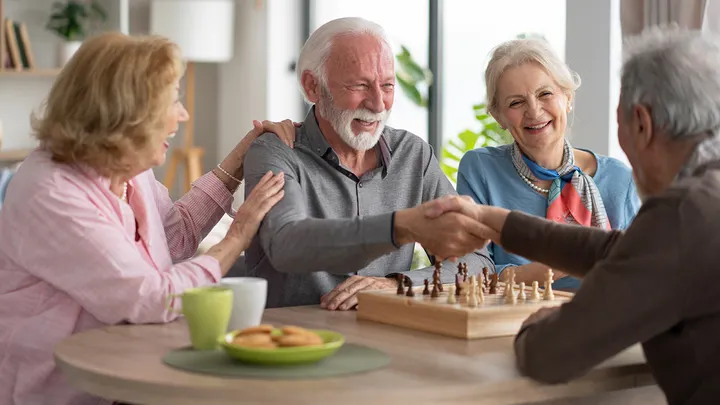
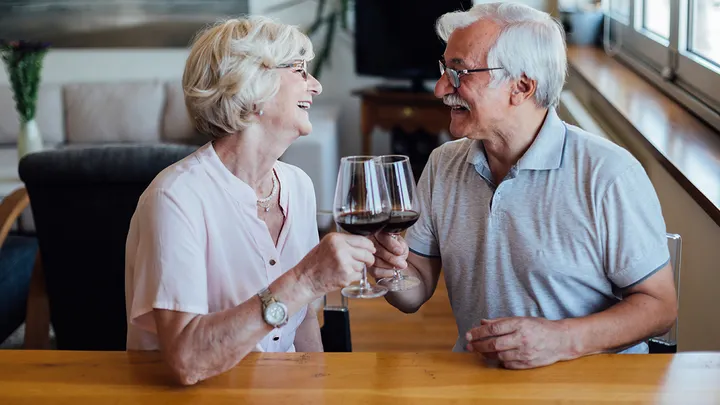
For millions of elderly residents in nursing homes, “happy hour” is never just about the drink itself. It’s about:
- Fighting loneliness: Regular social gatherings improve mental health, reduce feelings of isolation, and lower the risk of cognitive decline.
- Respecting autonomy: Allowing seniors to maintain life’s small pleasures and rituals in the comfort of their homes.
- Building community: Nursing homes can host weekly wine tastings, holiday parties, and casual tea gatherings, turning care facilities into lively, connected communities.
- Simplifying services: Removing bureaucratic red tape enables institutions to focus on their core mission: to ensure seniors feel seen, cared for, and have a true sense of belonging.
A win-win for both seniors and the elder care industry
This bill, driven by the seniors themselves, strongly affirms that aging does not mean giving up life’s joys. The bill is backed by robust safety mechanisms (including health screenings and specialized staff training), ensuring both the protection of vulnerable seniors and the enhancement of their happiness. It creates a three-way win for seniors, their families, and elder care institutions.
As the bill moves forward for a full vote in the House, it is already more than just a policy change. It represents a revolution in elder care, one that’s warmer, more humane, and filled with sweetness. Cheers to this progress! 🥂
Source of Information:
‘Grandparents’ happy hour’ bill would let senior homes serve alcohol without a license