
The global energy market is currently facing one of its most volatile periods in recent history, as an escalating energy crisis unfolds amid rising geopolitical tensions in the Middle East. Brent crude oil, the global benchmark, has surged above $110 per barrel, while oil exports from key Middle Eastern producers have plummeted nearly 70%, sending shockwaves through global markets and raising concerns about a prolonged crisis.
This sudden disruption threatens inflation, industrial supply chains, and daily life worldwide. Understanding the causes, impacts, and potential outcomes of this energy crisis is essential for governments, businesses, and consumers alike.
What’s Driving the Energy Crisis?
At the heart of the energy crisis are military conflicts targeting vital energy infrastructure across the Middle East. On March 18, U.S. and Israeli forces carried out airstrikes on Iran’s South Pars gas field and the Asaluyeh petrochemical complex—two key hubs that process roughly 40% of Iran’s natural gas production.
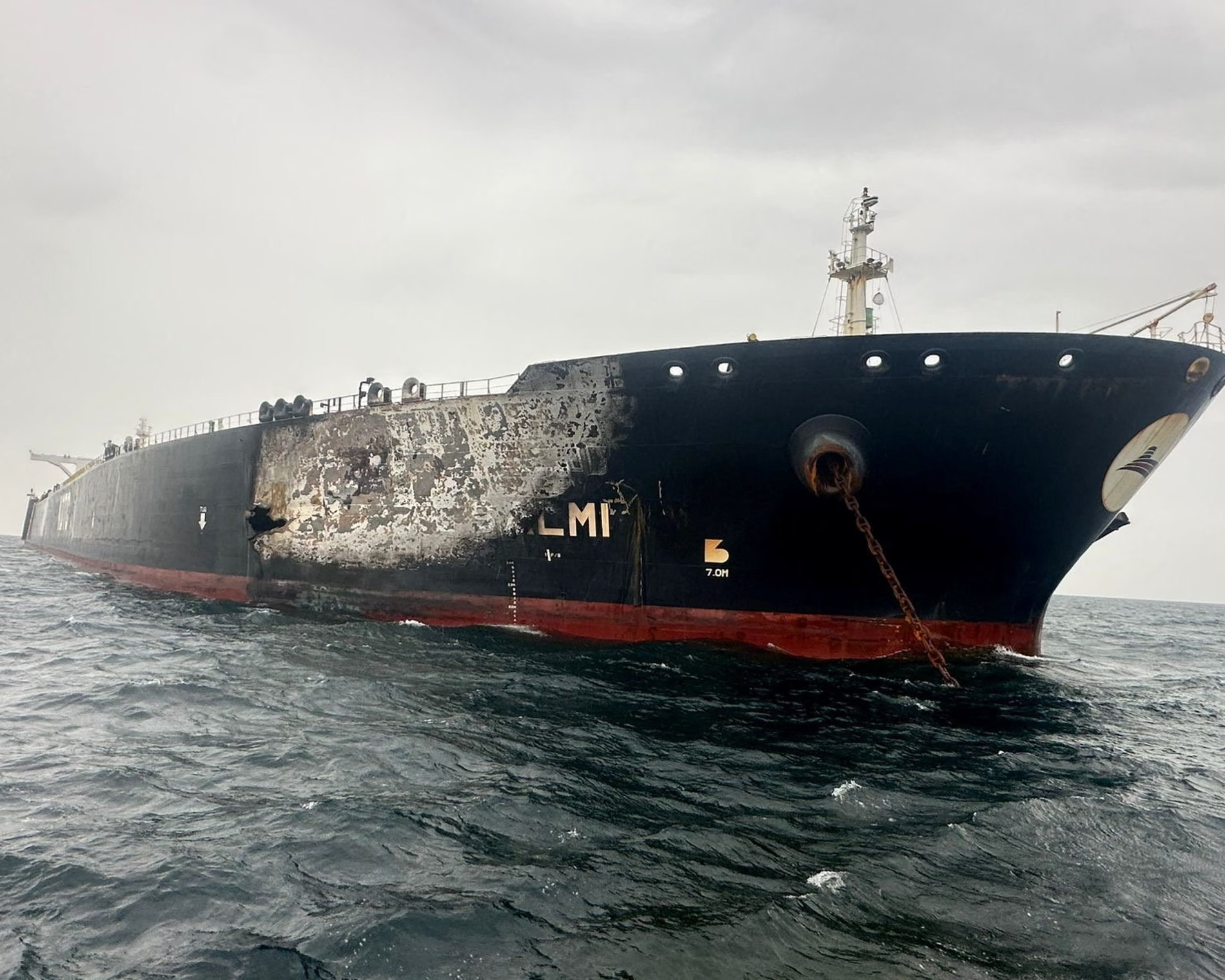
In response, Iran launched missile strikes on oil refineries in Saudi Arabia, LNG terminals in Qatar, and ports and airports across the United Arab Emirates. Additionally, Iranian authorities warned of a potential blockade of the Strait of Hormuz, a critical maritime passage responsible for transporting about 20% of global seaborne crude oil.
The disruptions have effectively halted tanker traffic in the region, and insurance costs for shipping have skyrocketed. According to data from commodity tracking firms, daily oil exports from eight major Middle Eastern countries fell from over 26 million barrels per day in February to just 7.5 million barrels by mid-March—a staggering 71% decline.
Experts warn that such a drastic reduction in supply has created an unprecedented gap in global energy markets, far exceeding existing buffer capacities. This is the driving force behind the current energy crisis, with wide-reaching implications for every sector of the economy.
Ripple Effects: Soaring Prices and Inflation Risks
The supply shock has triggered a sharp surge in oil prices. Brent crude futures spiked to an intraday high of $111.90 per barrel, closing above $109 per barrel—a multi-year peak. Within just a week, oil prices jumped over 10%, creating ripple effects throughout global markets.
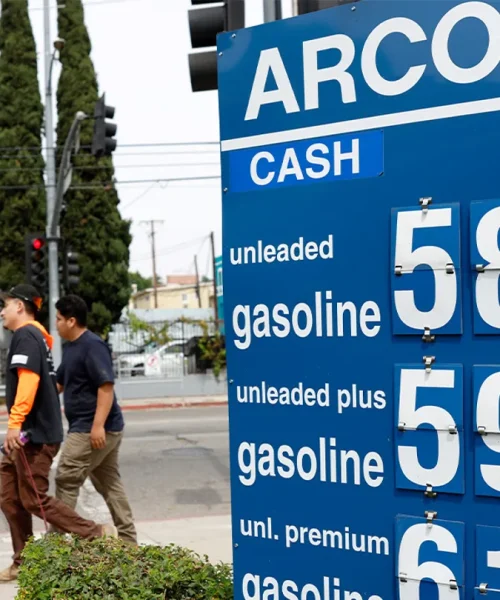
Crude oil fuels not only transportation but also industrial production, petrochemical processes, and energy generation. The surge in prices has led to higher costs for refined petroleum products, chemical feedstocks, and industrial energy. Airlines, logistics companies, and manufacturers are grappling with rising operational expenses, which is reigniting global inflationary pressures.
Europe and Asia, heavily reliant on energy imports, are particularly vulnerable. Household spending on gasoline, heating oil, and other essentials has surged, while businesses face shrinking profit margins. Analysts warn that if the situation persists, the fragile post-pandemic economic recovery could be jeopardized, pushing countries toward slower growth and rising social pressures.
Economic and Strategic Implications of the Energy Crisis
The energy crisis underscores the global dependence on Middle Eastern energy supplies. With OPEC+ operating near full capacity, there is limited ability to offset the sudden supply shortfall. Short-term alternative shipping routes are challenging to implement, and the risk of a prolonged conflict could push oil prices even higher.
If the Strait of Hormuz is fully blocked, global markets could face extreme volatility. Higher energy prices combined with stagnant economic growth may lead to stagflation—a scenario where inflation rises while economic activity slows—a serious concern for both developed and emerging economies.
The crisis also highlights the strategic importance of energy diversification and renewable resources. Countries heavily dependent on fossil fuels are more exposed to geopolitical disruptions. This underscores the urgency to accelerate investment in clean energy, including wind, solar, hydroelectric power, natural gas alternatives, and nuclear energy. Such measures can reduce vulnerability to regional conflicts and stabilize domestic energy prices.
What’s Next for Global Energy?
Short-term measures such as releasing emergency reserves, increasing temporary imports, or implementing energy-saving programs may provide temporary relief. However, they do not solve the underlying geopolitical and structural problems. Only through international diplomacy and coordinated efforts can stability be restored in global energy markets.
Businesses and consumers must remain vigilant. Understanding market trends, hedging energy costs, and optimizing energy consumption can help mitigate the effects of volatile prices. Policymakers are challenged to balance energy security, economic stability, and environmental objectives. Strategic planning, along with technological innovation in energy efficiency and renewable adoption, is essential to reduce long-term vulnerability.
Global Lessons from the Energy Crisis
- Energy security is a global challenge: No single country can handle it alone. Cooperation on trade, diplomacy, and resource management is crucial.
- Diversification matters: Relying too heavily on fossil fuels increases economic risk during geopolitical conflicts.
- Short-term measures vs. long-term strategy: Reserves and temporary imports help ease immediate pressures, but only global collaboration and investment in renewables can stabilize the market.
- Consumer and business adaptation: Budgeting, energy efficiency, and monitoring consumption can mitigate cost increases.
- Clean energy investment: Accelerating adoption of renewable energy reduces future geopolitical risks and promotes sustainability.
Key Takeaways
The global energy crisis demonstrates how interconnected economies are and how geopolitical disruptions in one region can ripple across the entire world.
- Brent crude oil surpassing $110 per barrel signals both a supply shortage and market vulnerability.
- The sharp decline in Middle Eastern exports highlights the need for energy diversification.
- Short-term interventions can ease pressure but cannot replace strategic, long-term planning.
- Consumers, businesses, and governments must collaborate to ensure energy security, reduce dependence on fossil fuels, and invest in renewable alternatives.
By addressing both immediate challenges and long-term structural risks, the international community can mitigate the worst impacts of the energy crisis and build a more resilient global energy system.
You may also read:How to Practice Spring Liver Care for Energy, Mood, and Health