
Burn first aid is one of the most essential life skills everyone should master. Burns and scalds are extremely common injuries that can happen at home, at work, or outdoors. Whether it’s hot oil splashing during cooking, boiling water spilling, steam exposure, or contact with hot surfaces, accidents can occur in seconds.
Unfortunately, many people still rely on outdated home remedies like toothpaste, soy sauce, or butter. These methods are not only ineffective but can also increase infection risk, worsen tissue damage, and lead to permanent scarring.
Understanding proper burn first aid can significantly reduce injury severity, speed up healing, and protect your skin from long-term damage.
Burn First Aid: The Four-Step Principle for Emergency Care
The most widely recommended burn first aid method can be summarized in four simple steps:
Cool, Remove, Cover, and Seek medical help
These steps apply to most burns caused by hot water, steam, flames, or hot oil.
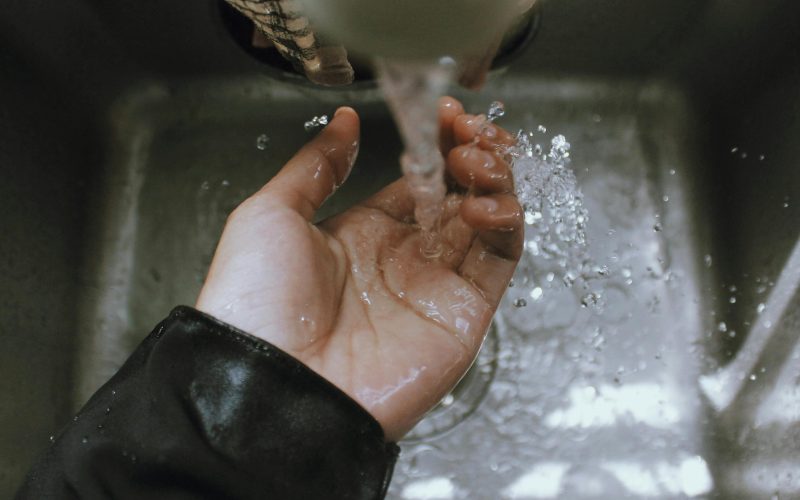
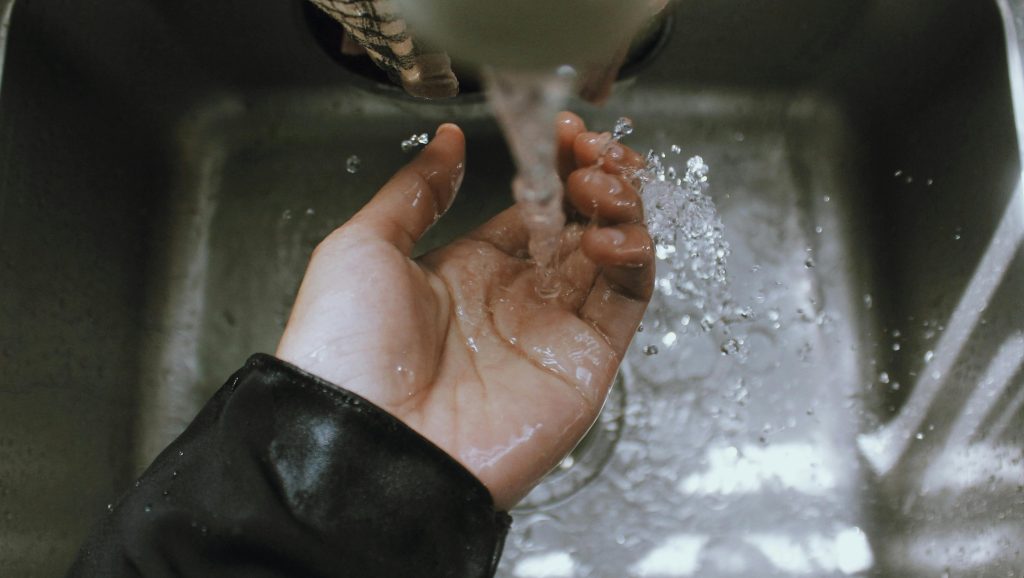
Burn First Aid Step 1: Cool the Burn Immediately
The first and most critical step in burn first aid is cooling the affected area.
As soon as a burn occurs, heat continues to damage the deeper layers of the skin. Immediate cooling helps stop this process.
- Place the burned area under cool running water
- Continue for at least 15–20 minutes
- Use gentle water flow to avoid irritation
Avoid:
- Ice or ice water (can cause further tissue damage)
- Extremely cold temperatures
Cooling reduces pain, limits tissue damage, and improves recovery outcomes.
Burn First Aid Step 2: Remove Clothing and Tight Items Safely
The second step in burn first aid is removing anything that may trap heat or restrict circulation.
- Carefully remove loose clothing while cooling the burn
- Take off rings, bracelets, watches, or tight shoes
- If clothing sticks to the skin, do not pull it off
Instead:
- Cut around the fabric
- Leave stuck material for medical professionals
This step prevents further skin damage and avoids complications from swelling.
Burn First Aid Step 3: Cover the Wound Properly
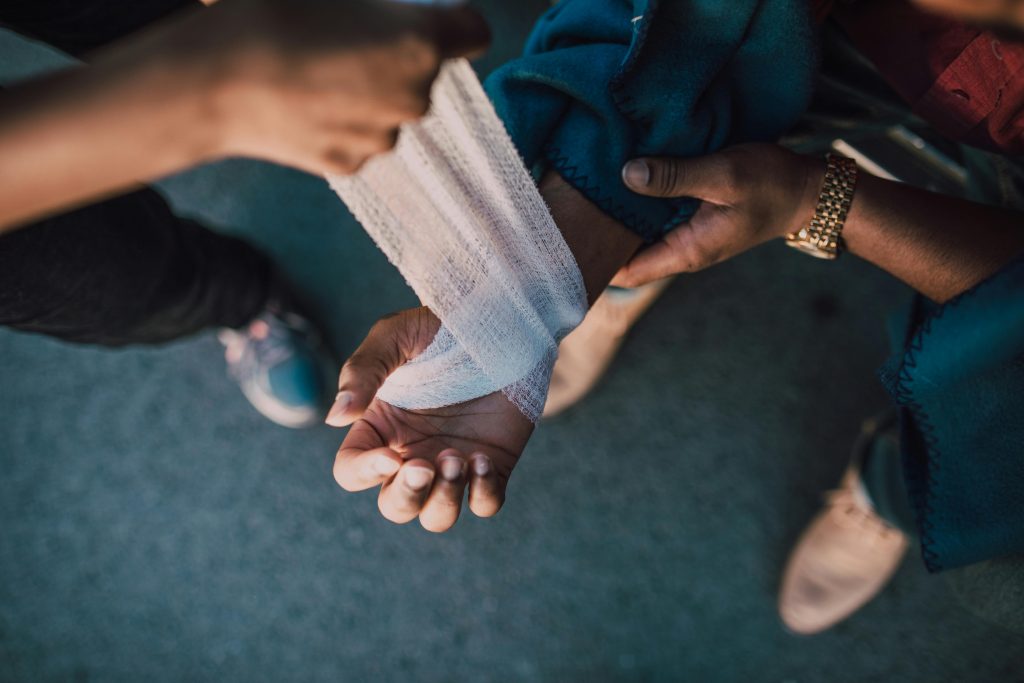
After cooling, the next step in burn first aid is protecting the wound.
- Use sterile gauze, a clean cloth, or plastic wrap
- Cover the burn loosely to avoid pressure
- Keep the area clean and protected
Do NOT apply:
- Toothpaste
- Soy sauce
- Oils or butter
- Random ointments
These substances can contaminate the wound, increase infection risk, and make medical treatment more difficult.
Burn First Aid Step 4: Know When to Seek Medical Help
A crucial part of burn first aid is recognizing when professional care is needed.
Seek medical attention if:
- Blisters form
- Skin appears white, charred, or leathery
- Pain is reduced or absent (possible nerve damage)
- The burn covers a large area
- The burn affects sensitive areas:
- Face
- Hands
- Joints
- Genitals
Important:
- Do not pop blisters
- Blisters act as a natural protective barrier
Proper medical care ensures safe healing and reduces the risk of complications.
Burn First Aid Tips You Must Know
To perform effective burn first aid, keep these key tips in mind:
Avoid Ice Directly on Burns
Ice can damage already sensitive skin and worsen the injury.
Avoid Home Remedies
Traditional treatments may cause infection and skin discoloration.
Do Not Rub the Burn
Rubbing can break the skin and increase infection risk.
Be Careful with Drinking Water
Avoid excessive water intake immediately after severe burns.
Instead:
- Drink small amounts
- Choose electrolyte drinks if needed
Burn First Aid for Severe Burns and Special Cases
Some burns require urgent and specialized burn first aid.
Flame Burns
- Extinguish flames immediately
- Use clothing or blankets to smother fire
- Ask the person to stop, drop, and roll
- Do NOT let them run (feeds oxygen to flames)
Chemical Burns
- Rinse with large amounts of water immediately
- Continue flushing for an extended time
- Remove contaminated clothing carefully
Electrical Burns
- Ensure power source is turned off before touching the victim
- Seek immediate medical attention
- Internal damage may be severe even if skin looks normal
Conclusion: Burn First Aid Can Save Skin and Lives
Mastering burn first aid is not just useful—it can make a critical difference in emergencies. Acting quickly and correctly can reduce pain, prevent infection, and minimize scarring.
Forget harmful myths and focus on proven, science-based steps. With the right knowledge, you can protect yourself and your loved ones when accidents happen.
You may also read:First Aid for Cuts: Complete Guide to Treating Minor Wounds