
First aid for cuts is an essential skill that everyone should know. Small injuries can happen at any time, whether at home, at work, or outdoors. A simple cut may look harmless, but without proper care, it can quickly lead to infection or prolonged healing.
Learning first aid for cuts helps you respond quickly and correctly when an accident happens. The goal is not only to stop bleeding, but also to clean the wound properly and prevent further complications.
Many people underestimate minor cuts and treat them incorrectly. This often leads to avoidable problems such as swelling, infection, or slow recovery. With the right steps, however, most small wounds can be safely managed at home.
In this guide, you will learn simple and effective methods for wound care, bleeding control, and safe treatment of everyday injuries.
Stay Calm: The First Step in First Aid for Cuts
The first rule in first aid for cuts is to stay calm.
When people panic, they often make mistakes. They may move too quickly or ignore important signs. This can make the injury worse.
Instead, pause and assess the situation.
Ask yourself:
- How deep is the cut?
- Is the bleeding heavy or light?
- Is there dirt or debris in the wound?
- Is the person in severe pain?
If the injury is minor, you can begin treatment right away. If it looks serious, seek medical help.
Calm thinking leads to safer and better decisions.
First Aid for Cuts: How to Stop Bleeding Quickly
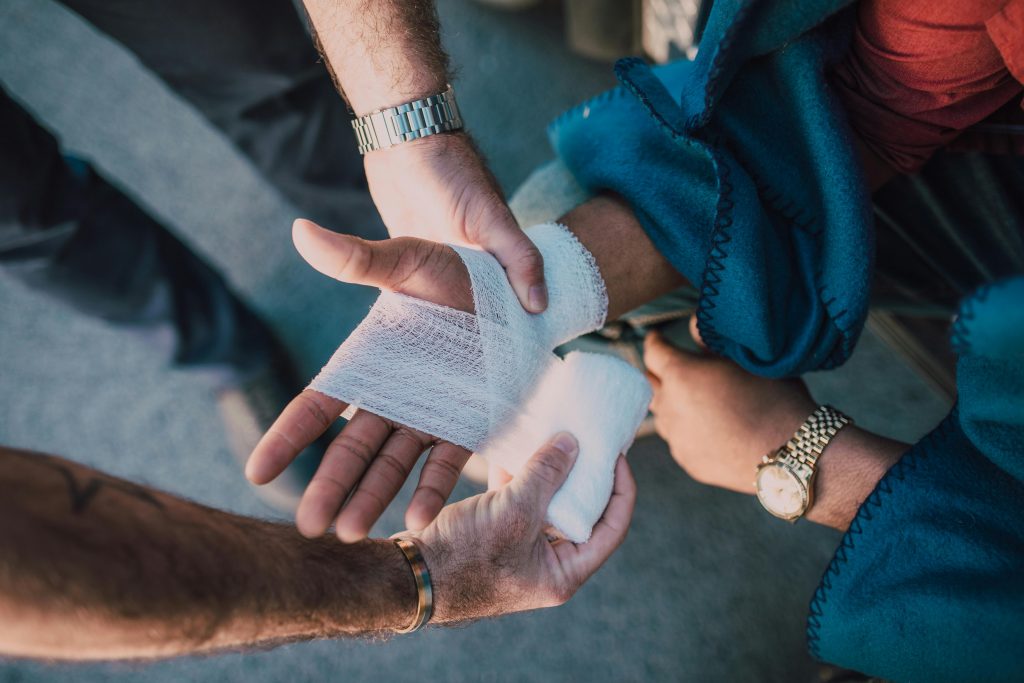
Stopping bleeding is the most urgent step.
Apply steady pressure
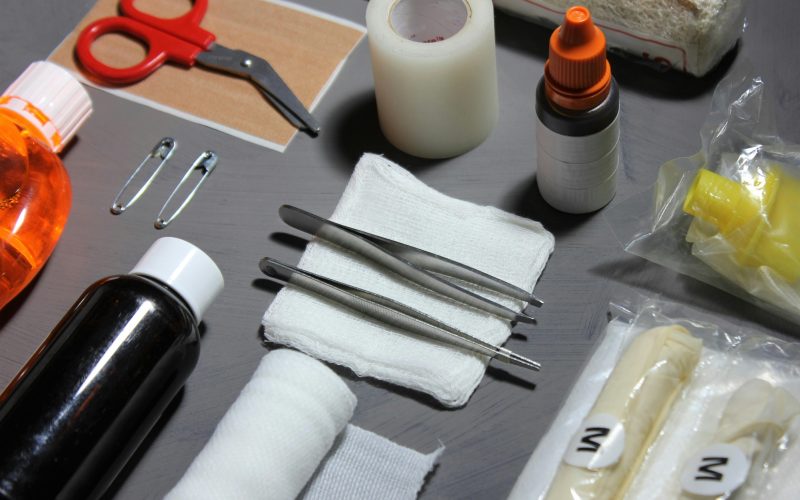
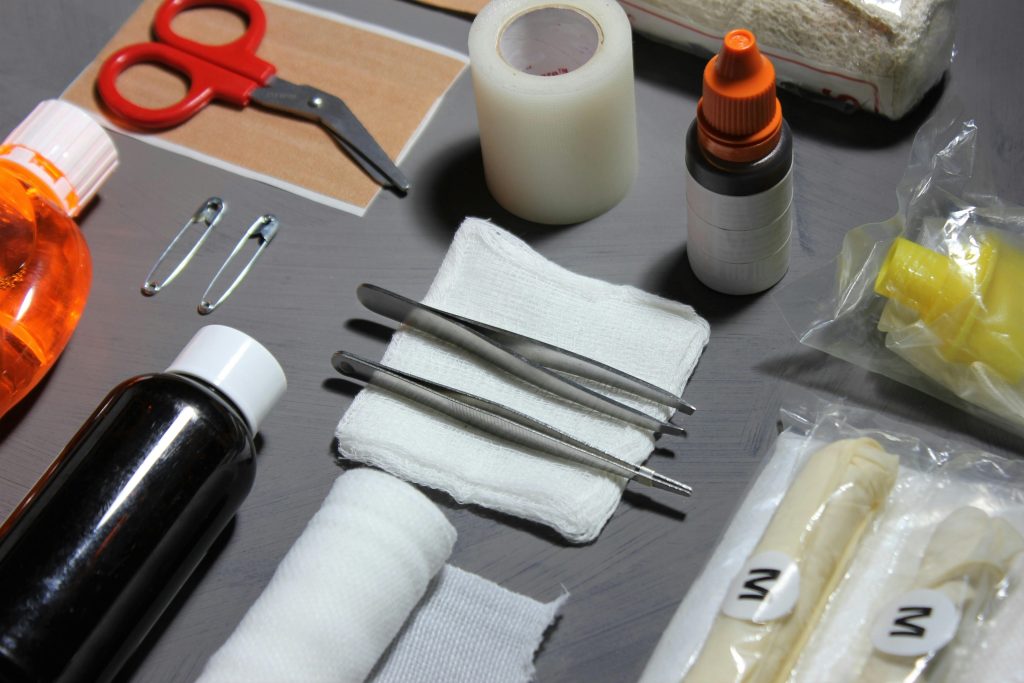
Use clean gauze, tissue, or a cloth. Press firmly on the cut. Hold the pressure for several minutes.
Do not remove the cloth too soon. This can restart bleeding.
Raise the injured area
If possible, lift the injured area above heart level. This slows blood flow.
Be patient
Keep pressure for at least 5 to 10 minutes. Most minor cuts will stop bleeding during this time.
Steady pressure is the most effective way to control bleeding.
How to Clean a Cut Properly
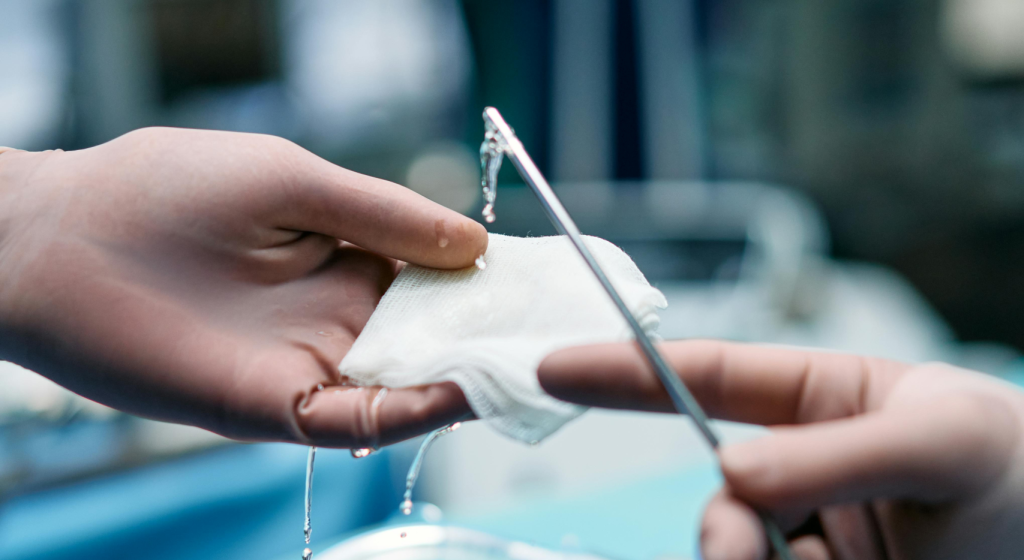
Cleaning the wound is essential in first aid for cuts.
Rinse with clean water
Use running water to wash away dirt and bacteria. This reduces the risk of infection.
Remove debris carefully
If there is visible dirt, gently remove it. You can use clean tweezers if needed.
Avoid harmful habits
- Do not use your mouth to clean the wound
- Do not apply alcohol directly into the cut
Use mild antiseptic
Apply iodine or a gentle antiseptic to disinfect the area.
A clean wound heals faster and more safely.
Protecting the Wound After Cleaning
After cleaning, the next step in first aid for cuts is protection.
Use a bandage
Cover the wound with a clean bandage if it may get dirty or irritated.
Keep it dry and clean
Change the bandage daily or when it becomes wet.
Watch for infection
Look for redness, swelling, or pus. These may be signs of infection.
Proper protection supports faster healing.
First Aid for Cuts and Minor Injuries
Cuts are often part of a larger injury. You may also have bruises or swelling.
Treat swelling with cold
Apply an ice pack for 15 to 20 minutes. This reduces pain and swelling.
Rest the injured area
Avoid using the injured part too much.
Avoid early massage
Do not massage the area right after injury. This can make swelling worse.
Simple care can prevent further damage.
When a Cut May Be More Serious
Not all cuts are minor. Some require extra attention.
Warning signs
- Deep or wide wounds
- Bleeding that does not stop
- Visible fat or tissue
- Cuts caused by dirty or rusty objects
If you notice these signs, seek medical care.
Serious cuts need professional treatment.
First Aid for Cuts: Special Care for Deep Wounds
If a cut is deep, you must act carefully.
Do not clean aggressively
Avoid deep cleaning inside the wound. This can cause more damage.
Apply pressure and cover
Focus on stopping bleeding. Cover the wound with a sterile dressing.
Seek medical help
Deep wounds may require stitches or additional care.
Quick action reduces risk and improves recovery.
Head Cuts and Facial Injuries
Cuts on the head or face need special attention.
Even small cuts can bleed heavily because of rich blood supply.
What to watch for
- Heavy bleeding
- Dizziness
- Confusion
- Nausea
If these symptoms appear, get medical help immediately.
Head injuries should never be ignored.
Common Mistakes in First Aid for Cuts
Many people make simple mistakes when treating cuts.
Avoid these errors
- Using alcohol on open wounds
- Cleaning with unclean hands
- Ignoring small cuts
- Removing bandages too early
- Not stopping bleeding properly
Avoiding mistakes is key to proper healing.
When to Seek Medical Help
Sometimes first aid for cuts is not enough.
Get help if
- Bleeding lasts more than 10 minutes
- The wound is deep
- Signs of infection appear
- Movement is limited
- Pain becomes severe
Timely care prevents complications.
Conclusion: First Aid for Cuts Is a Life Skill
First aid for cuts is a simple but powerful skill. It helps you act quickly and safely when accidents happen.
You do not need special tools or training. You only need basic knowledge and a calm mindset.
Remember:
- Stay calm
- Stop bleeding
- Clean the wound
- Protect the area
- Seek help when needed
These steps can reduce pain, prevent infection, and support faster healing.
In daily life, knowing first aid for cuts can make a real difference—for yourself and for others.
You may also read:Exercising: A Complete Guide to Building a Healthy and Active Lifestyle