UN Official Warns: Iran Threatens to Strike Key Water Facilities Within Days, Potentially Triggering a “Water Crisis”

Core Warning: Iran May Target Critical Desalination Plants

A senior official from the United Nations has issued a warning that Iran is threatening to launch attacks within days on key desalination plants in the Middle East. The move has been described as a potential form of “water warfare,” with intelligence reportedly confirming the threat.

As a vital source of water in arid regions, desalination plants are the primary suppliers of drinking water for Gulf countries. Their security is directly tied to regional stability and civilian well-being.

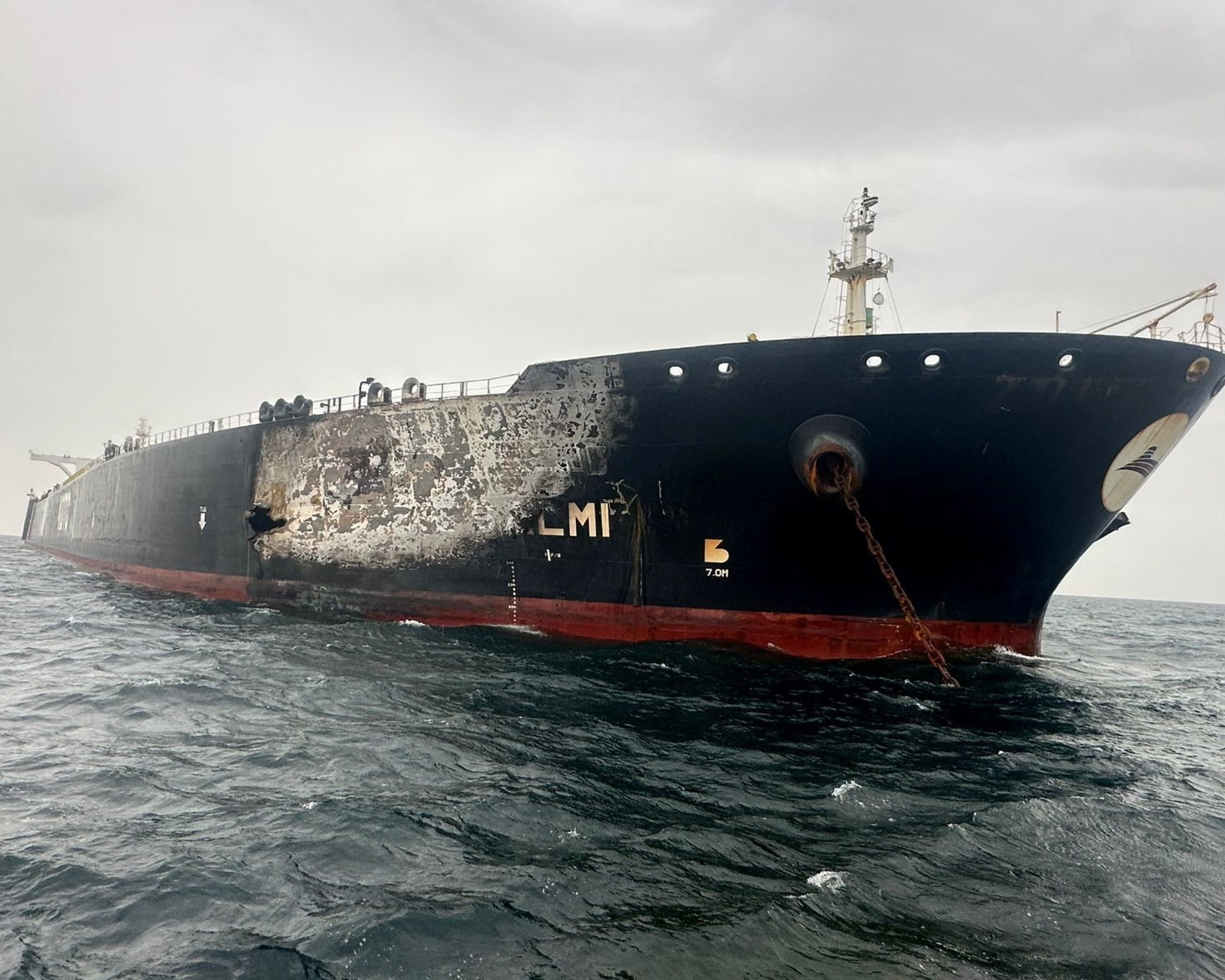
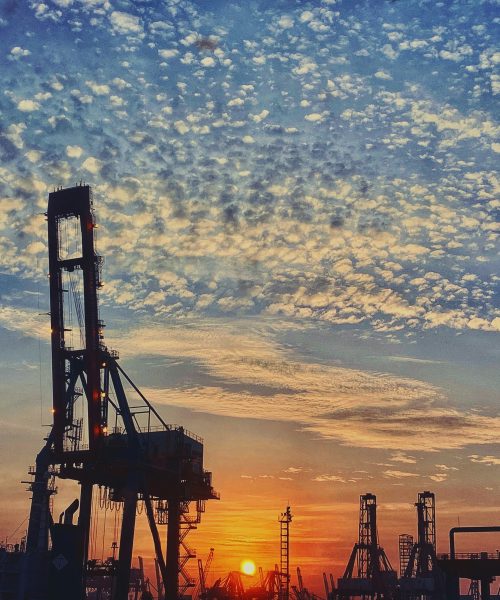
U.N. official Kaveh Madani warns desalination plants across the Middle East could be struck within days, risking a regional water crisis and global economic fallout. (ruelleruelle/UCG/Universal Images Group via Getty Images)

Escalation Could Impact Global Markets

UN economic advisor Kaveh Madani noted that if tensions escalate, attacks on water infrastructure could have “direct and widespread ripple effects” on the global economy.

The consequences would not be limited to the region, but could also affect global energy transportation, food supply chains, and commodity pricing systems, introducing significant uncertainty into international markets.

Rising Regional Tensions

The threat comes amid ongoing tensions between Iran and Western and regional powers. Iran has previously stated that if its core interests are threatened, it may respond by targeting critical infrastructure—making desalination facilities a potential strategic objective.
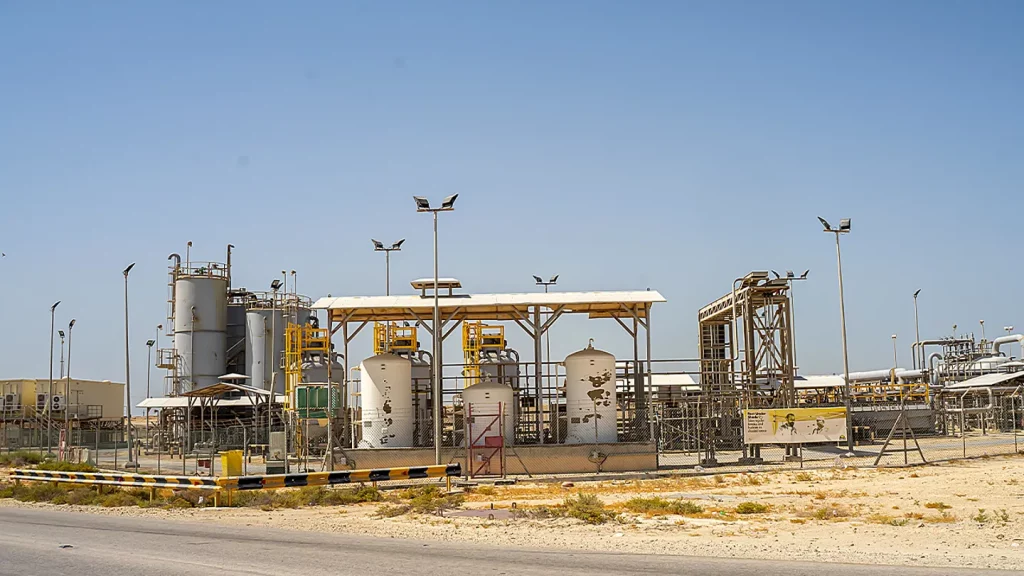
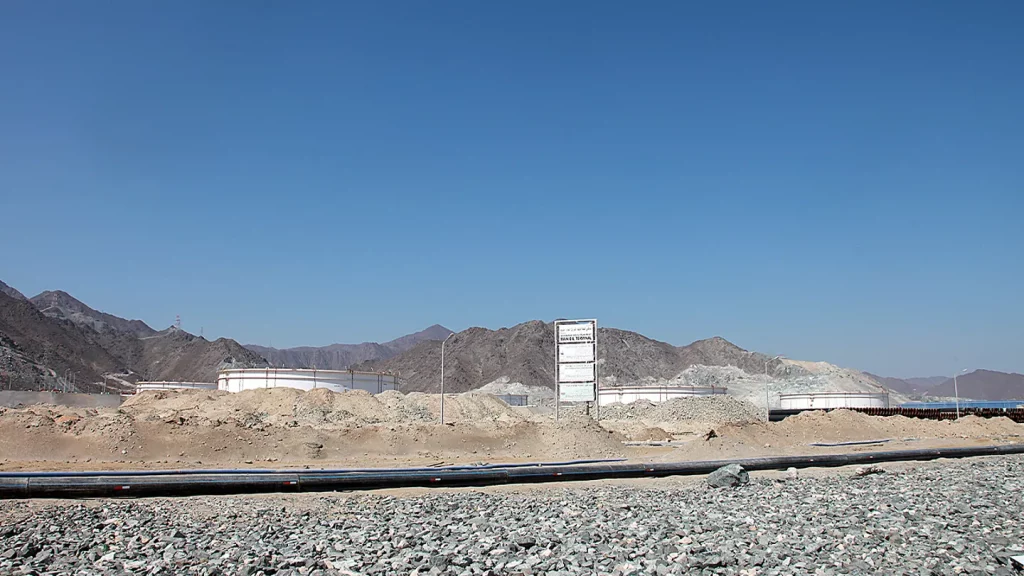
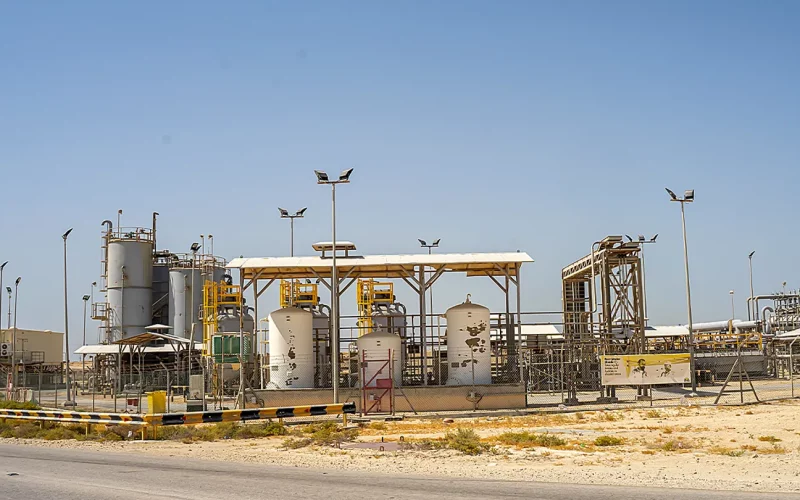
Iran threatens to target desalination and energy infrastructure within days, a U.N. official warns, citing lasting consequences for global markets and water supplies. (Gabriela Maj/Bloomberg via Getty Images)

International Community Urges Restraint

In response to the potential threat, the United Nations has called on all parties to exercise restraint and pursue diplomatic solutions. It emphasized that attacks on civilian water infrastructure violate international law.

Member states of the Gulf Cooperation Council have strengthened security around water plants and other critical infrastructure, while the United States has stated it is closely monitoring the situation and is prepared to take necessary defensive measures.

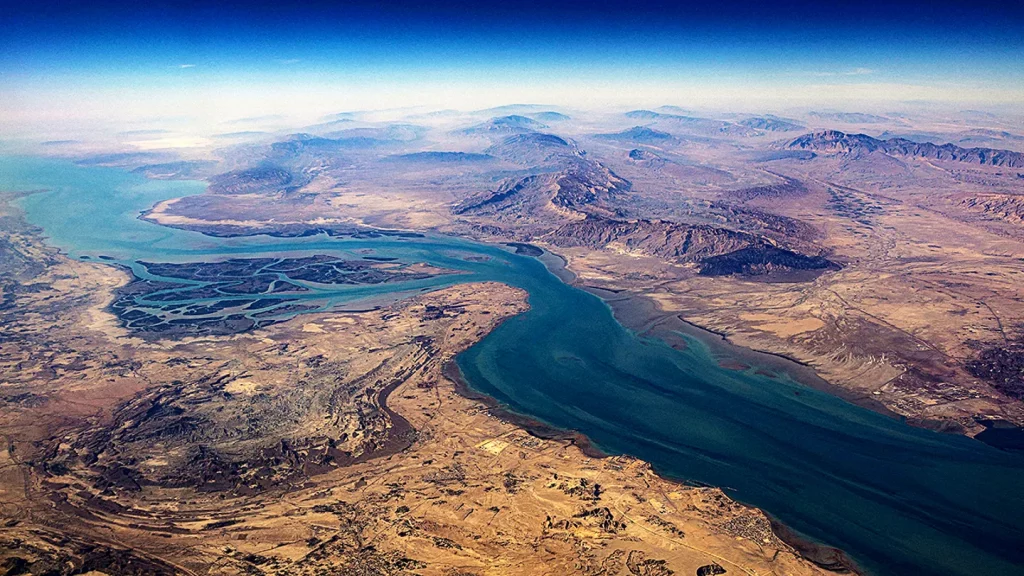
An aerial view of the island of Qeshm, separated from the Iranian mainland by the Clarence Strait, December 10, 2023. (Stringer/File Photo/Reuters)

Concerns Over Civilian Safety

Humanitarian organizations have expressed serious concerns about civilian welfare, warning that any attack on water facilities could lead to widespread disruptions in water supply, trigger public health crises, and severely impact daily life in the region.

The international community continues to monitor developments closely, hoping that dialogue can prevent further escalation.

By Ana

Leave a Reply

Your email address will not be published. Required fields are marked *

Related Posts