
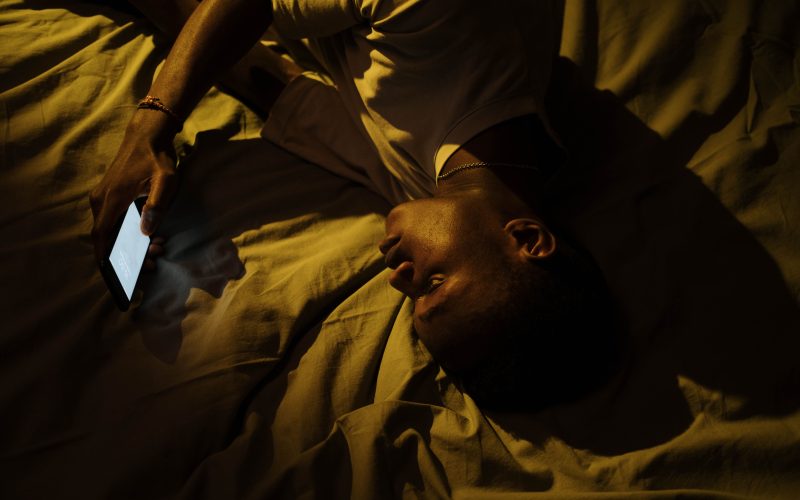
Side lying phone use has become one of the most common bedtime habits in modern life.
After a long day, many people lie on their side in bed and scroll on their phones in the dark.
It feels relaxing. It feels harmless.But the body tells a different story.
This posture places the eyes, neck, spine, face, and nerves under uneven pressure. Over time, small stresses become real injuries.
The problem is not intensity. The problem is repetition.
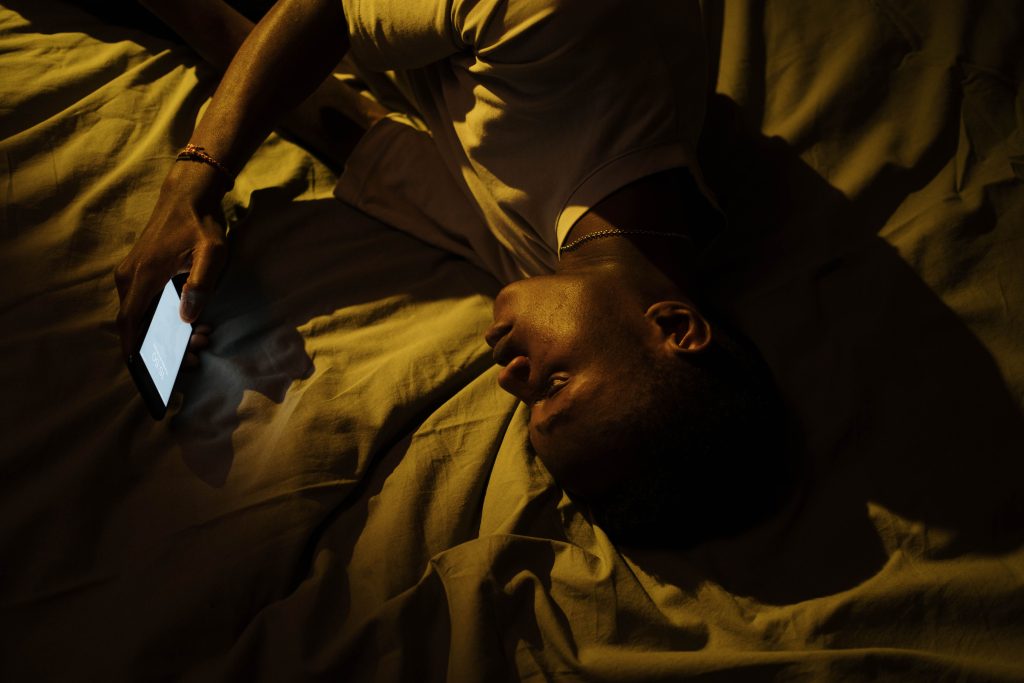
Why Side Lying Phone Use Feels Comfortable but Becomes Harmful
At first, the body adapts easily to side lying phone use.
Muscles adjust. Joints compensate. Vision adapts.
But adaptation is not the same as recovery.
When this posture is repeated daily:
- One side of the body carries more load
- The neck twists slightly for long periods
- Eyes receive uneven visual distance
- Muscles stay lightly contracted instead of resting
This creates a silent accumulation of stress.
You do not feel it immediately.But your body is already adapting in the wrong direction.
1.Eye Strain and Vision Imbalance from Side Lying Phone Use

One of the earliest effects of side lying phone use is uneven eye strain.
When you lie on your side:
- The lower eye is closer to the screen
- The upper eye is farther away
This forces both eyes to work differently for long periods.
Over time, this may lead to visual imbalance, where the brain struggles to merge two unequal images.
Possible effects include:
- Eye fatigue after short use
- Headaches or dizziness
- Blurred or unstable focus
- Reduced depth perception
- Increased risk of uneven vision development
This is especially risky for teenagers and young adults. Their visual system is still developing, which makes it more sensitive to long-term imbalance.
2. Cervical Spine Stress from Side Lying Phone Use

The neck is one of the first areas affected by side lying phone use.
The cervical spine is designed to stay aligned. But in this posture, the neck is:
- Tilted
- Rotated
- Held in a fixed position
This creates uneven pressure on spinal joints and surrounding muscles.
At first, symptoms are mild:
- Morning stiffness
- Neck tightness
- Shoulder tension
But with long-term repetition, more serious issues can develop:
- Loss of natural cervical curve
- Disc degeneration
- Nerve compression
- Reduced blood flow to the head
In some cases, this may lead to chronic dizziness or numbness in the arms.
The danger is slow progression. It does not happen overnight.
3. Lower Back Strain Caused by Side Lying Phone Use
Many people think lying down protects the spine.But side lying phone use often does the opposite.
In this position, the body unconsciously:
- Curves the lower back
- Tilts the pelvis
- Tightens hip muscles
This forces the lumbar spine into a non-neutral position.
As a result, muscles must work continuously to stabilize the body.
Over time, this can cause:
- Chronic lower back tension
- Myofascial pain
- Uneven spinal loading
- Higher risk of disc problems
The key issue is not movement.It is staying in one stressed position for too long.
4. Facial Pressure and Asymmetry from Side Lying Phone Use
Another hidden effect of side lying phone use is facial compression.
When one side of the face is pressed against a pillow:
- Skin is compressed for long periods
- Blood circulation slows slightly
- Collagen fibers are repeatedly stressed
This may lead to gradual visible changes such as:
- Sleep wrinkles
- Deeper facial lines
- Uneven facial texture
- Mild facial asymmetry over time
In addition, long-term pressure may affect nasal airflow. This can contribute to mouth breathing or mild snoring during sleep.
These changes are subtle at first.But they accumulate slowly over years.
5. Nerve Compression in the Arm from Side Lying Phone Use
One of the most noticeable short-term effects of side lying phone use is arm numbness.
When lying on your side, the lower arm supports part of the body weight. This compresses nerves and blood vessels.
The most affected nerve is the ulnar nerve, located near the elbow.
Common symptoms include:
- Tingling in the ring and little fingers
- Numbness in the hand
- Weak grip after waking up
- “Dead arm” sensation
If repeated frequently, this may develop into chronic nerve compression conditions.
How to Reduce Harm from Side Lying Phone Use
You do not need to completely stop using your phone at night.But you do need to reduce physical stress.
Here are safer alternatives:
Better habits:
- Lie on your back instead of your side
- Use a phone stand to keep screen at eye level
- Maintain 30–40 cm viewing distance
- Use blue light reduction at night
- Take breaks every 20 minutes
Best habit change:
Stop using your phone 20–30 minutes before sleep.
This improves both physical recovery and sleep quality.
Final Conclusion
Side lying phone use may feel like a harmless bedtime routine, but its effects are cumulative and structural.
It does not cause sudden injury.It causes slow misalignment.
Eyes, neck, spine, face, and nerves all respond differently—but they share one pattern: long-term stress without recovery.
The body rarely fails suddenly.
It adapts first, then compensates, then breaks down.
Changing this single habit may be one of the simplest ways to protect long-term health.
You may also read:Why the Gold Price Has Fallen After a Historic Rally